


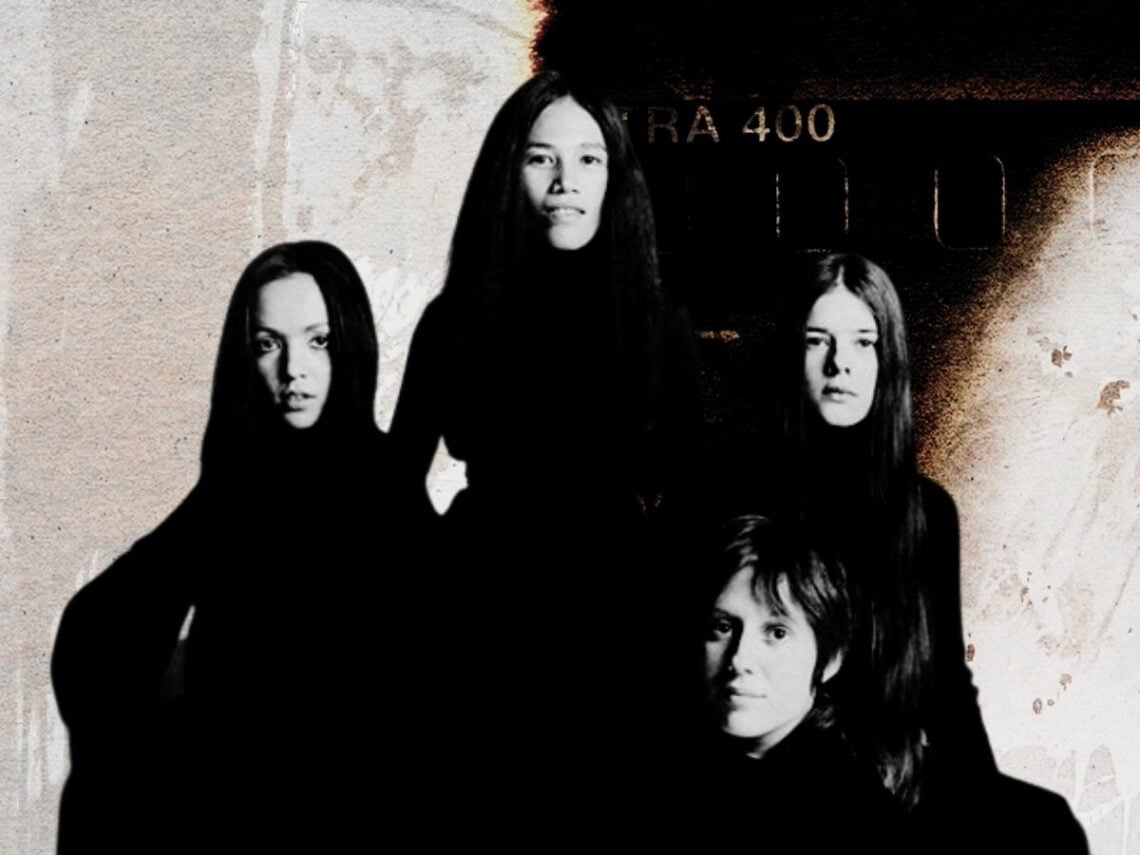
The most important female band in American rock, according to David Bowie

In the early days of rock and roll, women were few and far between. It was difficult for female musicians to be taken as seriously as their male counterparts – it still is – especially in the rock genre, often seen as a man’s territory. Yet, in 1970, an all-female rock group, Fanny, changed everything, becoming the first to record an album for a major label.
At a time when women in rock were often expected to remain vocalists or backing performers, Fanny stood out by doing everything themselves. They wrote their own songs, played their own instruments, and approached rock with the same ferocity and confidence as any of their male peers. In doing so, they quietly challenged the assumptions that had long limited women’s roles within the genre.
Despite their pioneering efforts, becoming a significant source of inspiration for future female-led acts, such as The Runaways and The Go-Go’s, Fanny never quite received the levels of fame they deserved – and still haven’t. Described on their website as the “godmothers of women who rock”, the band went through several iterations before becoming Fanny. It all started when the Philippines-born sisters Jean and June Millington began playing music to cope with the transition of moving to California in 1961.
In school, they formed an all-female quartet called The Svelts, performing extensively before becoming Wild Honey. As women playing rock music, they struggled to be noticed for their talents, although they eventually found themselves in luck when Richard Perry signed them to Reprise Records. Soon enough, the band – now also consisting of Alice de Buhr and Nickey Barclay – changed their name to Fanny as a symbol of femininity, with June explaining, “We really didn’t think of [the name Fanny] as a butt, a sexual term. We felt it was like a woman’s spirit watching over us.”
Fanny’s self-titled debut album was released in 1970, drawing the attention of popular rockers such as The Beatles, The Rolling Stones and The Who. In a 1999 interview with Rolling Stone, David Bowie heralded the band as “one of the most important female bands in American rock,” describing them as “buried without a trace.”
He continued: “They were one of the finest fucking rock bands of their time, in about 1973. They were extraordinary: They wrote everything, they played like motherfuckers, they were just colossal and wonderful, and nobody’s ever mentioned them. They’re as important as anybody else who’s ever been, ever; it just wasn’t their time. Revivify Fanny. And I will feel that my work is done.”
Many music critics harshly judged the band’s records, subjecting them to sexist comments, such as Robert Christagu, who patronisingly referred to their cover of Cream’s ‘Badge’ as “a cute idea”. Although they struggled to gain the respect they deserved as musicians, they continued on anyway.
Barcley explained: “We did feel the pressure of having to prove ourselves. When we first started performing, we just went on stage wearing whatever we were wearing. It amounted to us apologising for being women, shying away from any kind of glamour or attractiveness on stage.”
Fanny released four more albums until they disbanded in 1975, following several line-up changes, such as the addition of Suzi Quatro’s sister, Patti, on guitar. During their short career, they performed on popular shows such as The Old Grey Whistle Test, worked with Todd Rundgren and even had their song ‘Young and Dumb’ censored by the BBC for being “too provocative”. However, as the years progressed, Fanny were no longer Fanny, leading the remaining members to end their tenure as the world’s first successful female rock band.
Although their commercial breakthrough never quite arrived, the band’s influence continued to ripple through the industry long after their split. Later generations of female rock musicians would point to Fanny as proof that women could thrive in the traditionally male-dominated world of guitar-driven music.
Sadly, the band’s contributions to music have failed to receive the celebration they deserve, highlighting the all too common overlooking of pioneering female musicians.
