


“Degenerate”: Read Morrissey’s scathing 1976 review of The Ramones

Many of us have something of what you’d call a complicated relationship with The Smiths.
Their music is undeniably wonderful. They own a sound that has a deeply melancholic and introspective feel that somehow has the magic ability to take your hand lovingly and guide you on a tranquil journey. The story of The Smiths, however, is entirely incongruous to that.
In the 1980s, the lyrical workings of Stephen Patrick Morrissey were like no other. Captivating, heavy, and often dark themes, his words tackled anything from loneliness and heartbreak to societal issues and serial killers. The band was very much symbolic of anti-capitalism and overruling the elite, which garnered the attention of large working-class subcultures of the time.
They became the biggest band almost overnight and were deemed the kings of the indie scene. They’ve since sold over four million records – not bad for a band who are often deemed among the ‘cult favourites’ category.
Morrissey, having big opinions, has never come as a shock to anyone. During the band’s brief five-year tenure, he spoke out against anything he disagreed with, from classist ideologies to animal cruelty, and disregarded almost all other bands on the scene at the time. Whenever given the opportunity, he would speak out about how inherently bad they were – and people listened. He was a leader, and his takes were valued.
Morrissey’s outspoken nature wasn’t just limited to his fronting The Smiths – when he was 17, he wrote a particularly colourful reader’s review of The Ramones for a July 1976 issue of Melody Maker.
In it, Morrissey goes on to call the New Yorkers a “bumptious band of degenerate no-talents” and said that “the Ramones have absolutely nothing to add that is of relevance or importance and should be rightly filed and forgotten”.
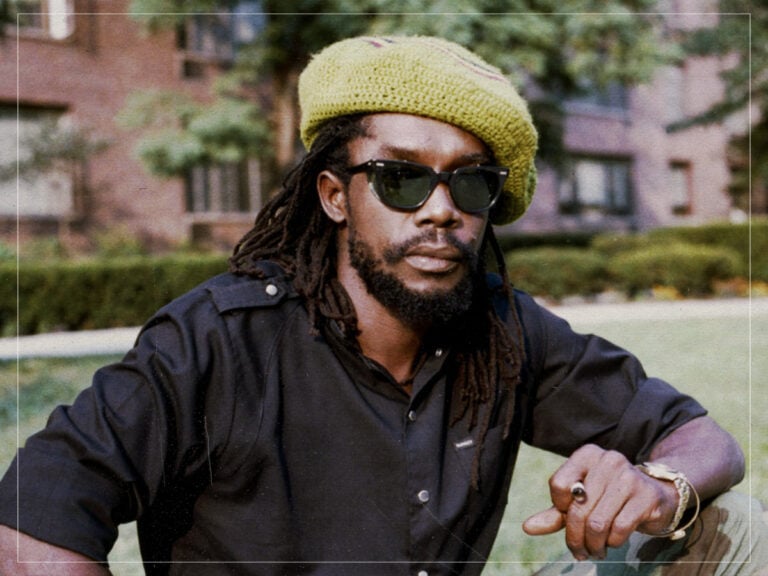
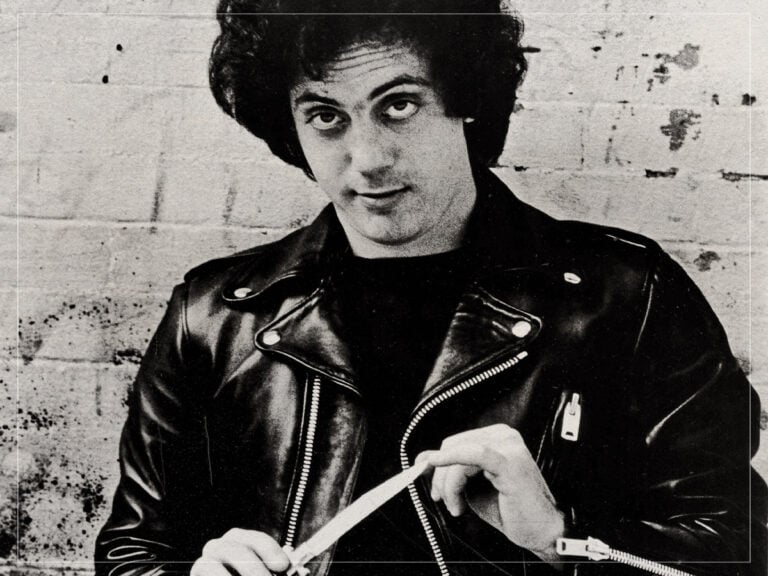

While the Ramones might be pioneers of punk and undoubtedly pivotal in creating the sort of scenes from which The Smiths arose, they were actually quite frequently sneered at by their British counterparts. John Lydon famously called them “deeply unoriginal” and slammed the “uniformed, studded leather jacket nonsense” that he accused them of stirring up.
Joey Ramone gave as good as he got when it came to the Sex Pistols, but his quip about The Smiths was even more apt, given the contrast between his machine gun barbs and Morrissey’s verbose, Byronic poetry. The lanky leather-clad simply said, “Naaaaah, I don’t like ‘em.” So, 1-1 in the end.
Read Morrissey’s full scathing review below
“The Ramones are the latest bumptious band of degenerate no-talents whose most notable achievement to date is their ability to advance beyond the boundaries of New York City, and purely on the strength of a spate of convincing literature projecting the Ramones as God’s gift to rock music.
They have been greeted with instant adulation by an army of duped fans. Musically, they do not deal in subtlety or variation of any kind, their rule is to be as incompetent as possible.
For a band believed to project the youth of America, New York – suburban life, anti-conformism, sex and struggle, or whatever, they fail miserably. And in the sober light of day their imperfections have a field day.
The Ramones make the Stooges sound like concertmasters, and I feel that the only place for their discordant music is the sweaty downtown Manhattan dives to which they are no doubt accustomed.
The New York Dolls and Patti Smith have proved that there is some life pumping away in the swamps and gutters of New York and they are the only acts which originated from the N.Y. club scene worthy of any praise. The Ramones have absolutely nothing to add that is of relevance or importance and should be rightly filed and forgotten.
—Steve Morrissey, Kings Road, Stretford, Manchester.“
The allure of The Smiths extended beyond their ideals, and they championed a level of literary depth within pop music that was undeniably crucial at the time. It’s a shame that Morrissey changed his tune in later years and became the very epitome of the dark side of perceived righteousness, but at least we can do well to separate the man from the music.
