


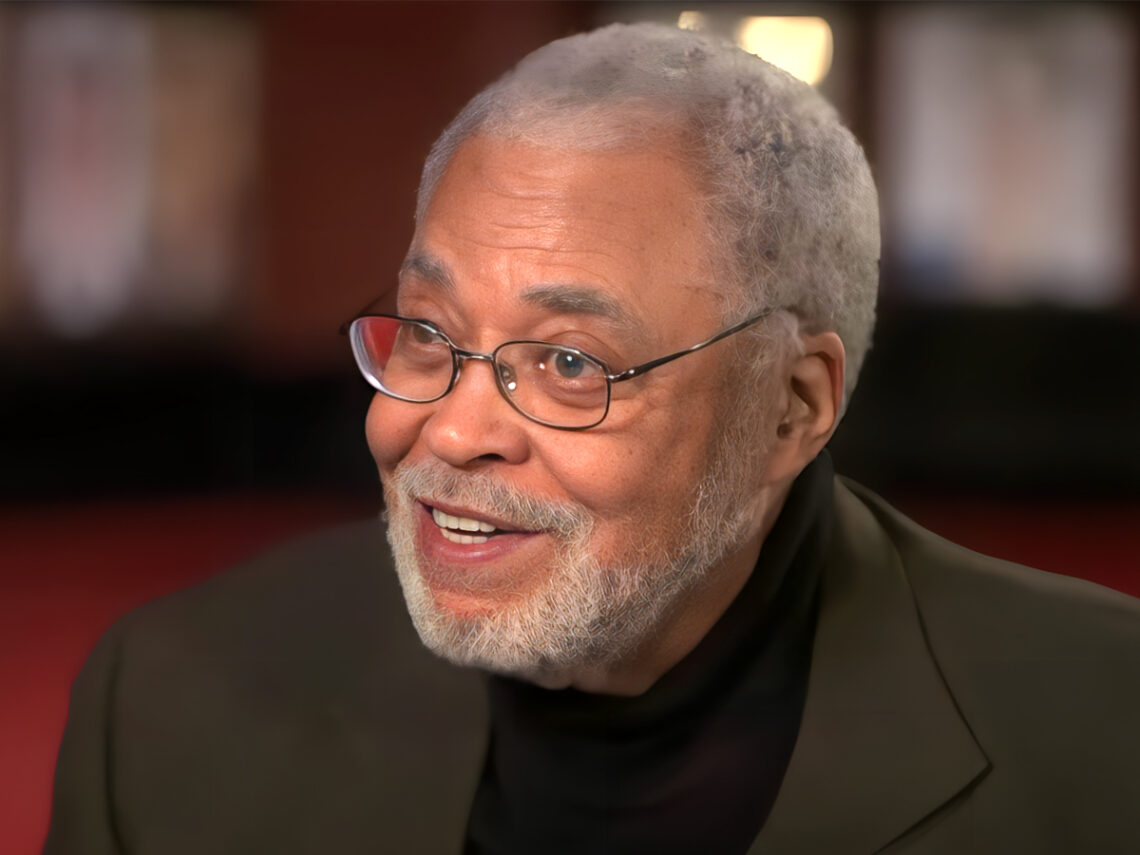
The moments that convinced James Earl Jones not to quit acting: “That’s all I needed to hear”

The world would have been a much poorer place if James Earl Jones had never existed. The legendary actor, who passed away in 2024 aged 93, is, of course, best known for lending his bassy tones to Darth Vader in Star Wars, but he was so much more than just the man in the black suit.
He won an acclaimed EGOT and starred in beloved movies like Field of Dreams, Coming to America, and The Lion King. He overcame a childhood stutter to make pop culture one of its most iconic voices, and his contributions to the stage and screen will never be forgotten.
Like all creatives, Jones suffered from insecurities. Early in his career, he considered abandoning his passion for acting in favour of a more secure form of income, but then he received encouragement from an unlikely source.
One turning point, as he told The Guardian, came after his father saw him in a performance of Of Mice and Men. “He said, ‘You can act,” Jones recalled. “He didn’t say, ‘you were great’, or ‘you’ve got potential.’ Just, ‘you can act.’ Father to son, that’s all I needed to hear.” Robert Earl Jones, James’ father and a respected actor in his own right, did not have the best relationship with his son. Robert split from James’ mother before he was even born and it wasn’t until his early 20s that the two finally got to know each other. This explains why his words of support meant that much more.
Jones received a second sign from the universe in 1968, when he was cast in the lead role in Howard Sackler’s play The Great White Hope. “You can raise a family on this kind of work,” he thought at the time, clarifying, “that was the key thing: anyone can bum through as a bachelor, but to raise a family you’ve got to make sure you can draw a paycheque.” Jones would indeed be able to fulfil his domestic ambitions, marrying twice and having one son, Flynn, with his second wife, fellow actor Cecilia Hart.
The Great White Hope gave Jones the confidence to stick with acting and marked his ascension to mainstream fame. His performance as Black boxer Jack Jefferson, modelled on real-life fighter Jack Johnson, won him his first of two competitive Tony Awards. In 1970, the play was made into a film and Jones reprised his role. This adaptation was also met with raucous acclaim and its star found himself at the Oscars, nominated for ‘Best Actor’.
This sparked a trend for Jones, who often played pioneering Black characters or real people who had worked to break down racial barriers. Despite being at the forefront of changing perceptions, he expressed remorse that art hadn’t gone far enough in exploring these ideas. “There haven’t been enough profound things written about what being Black means,” he said. “And what a Black character is. Nobody knows.”
With the power of hindsight, it is remarkable to think that somebody as accomplished and cherished as Jones could have ever struggled with self-confidence. The world of performing is a fickle one, where fortunes come and go in a heartbeat, and Jones’ fears of being unable to achieve financial stability through his passion were incredibly sensible. Still, his story inspires anybody looking to achieve their dreams; if James Earl Jones can overcome self-doubt, then so can anyone.
