


The career low-point that made David Bowie feel he’d “lost his way”

In a career that lasts for decades, just like David Bowie‘s did, it’s only natural to suffer peaks and troughs.
One of Bowie’s greatest strengths was his self-confidence in his artistry and his desire to go against the grain. He set the tone for his creative life with his decision to burn Ziggy Stardust into flames at the Hammersmith Odeon in 1973, when the character was at the height of its popularity.
In another universe, Bowie could have been in a marriage of convenience with the Stardust character for the rest of his career, even if he’d grown tired of the persona many years earlier. Instead, he stayed loyal to the concept of reinvention, even though, by his own admission, it would spectacularly backfire.
After a brief period in the relative wilderness during the 1980s, Bowie, without a record label, made Let’s Dance and reasserted himself as a leading name in the music industry. His move into disco-pop at the perfect time was a masterstroke, which awarded the singer with his most commercially successful album. Bowie kept the good times rolling with another hit album, Tonight, but then it was time to change it up once again with Never Let Me Down.
After growing bored with life as a solo artist after the biggest and most lucrative tour of his career, Bowie surprisingly chose to form Tin Machine in 1989. The decision to create the group band was inspired by sessions with guitarist Reeves Gabrels. The duo soon invited drummer Hunt Sales and bassist Tony Fox Sales, with Kevin Armstrong later completing the line-up.
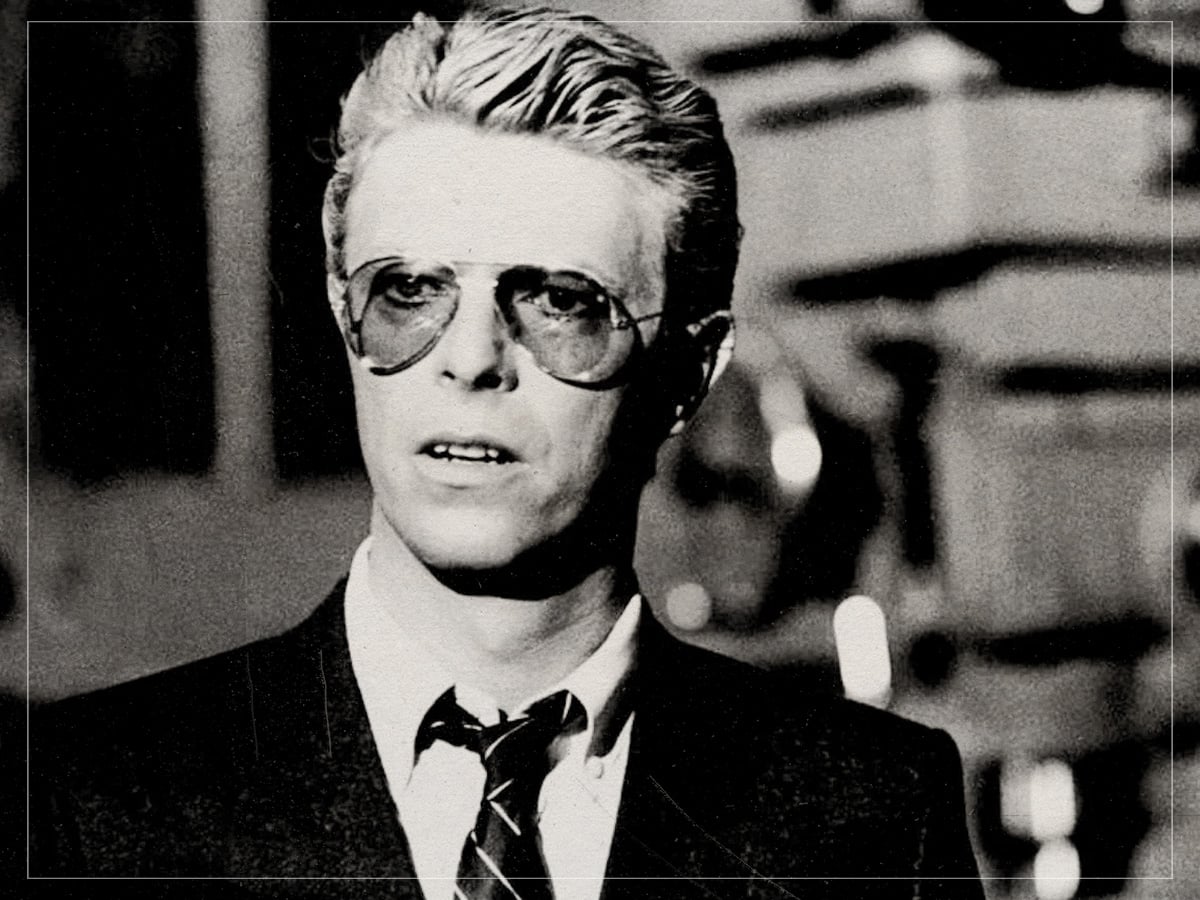
For Bowie, the project was designed to be a return to his roots. Tin Machine acted democratically, which was an adjustment for Bowie, who hadn’t needed compromise to exist in his lexicon for two decades. According to The Express, Gabrels commented: “Tin Machine had been a reset. [David Bowie] felt he had lost his way after Let’s Dance. He didn’t like where he was going and wanted to change it, so Tin Machine fell on that grenade.”
Following the commercial success of Let’s Dance, Bowie was acutely aware he was on the brink of losing sight of his artistic streak and getting drunk on chart success. 1987’s Never Let Me Down was a sign that Bowie was losing his special touch, as well as the subsequent Glass Spider Tour, despite both being money-spinning activities. Therefore, his goal with Tin Machine wasn’t to score a hit record but to just excite himself artistically again.
His former collaborator Mike Garson said, “He said to me at one session in the early ’90s that he needed to get back to his essence. ‘Let’s Dance’ was such a big hit, it threw him and he lost his centre. For an artist like David, that was very disturbing.”
Gabrels also spoke about how Tin Machine laid the foundations for the decade that followed for Bowie. He added, “Black Tie White Noise was an attempt to go overtly commercially right away. But after that we tried to forget about external pressures and just make music. In the ’90s, he enjoyed all the possibilities he wanted to explore having, through Tin Machine, built up more armour. He was more impervious to criticism. The ’90s were an adventure.”
Throughout his career, Bowie had an innate skill at making the right decision on cue. Although eyebrows were raised when he formed Tin Machine, it helped him break free from the shackles of the last ten years.
Admittedly, the work that he created with Tin Machine doesn’t stand up next to his best material, but it realigned him artistically, which was the only thing that mattered. He didn’t care about outside noise, and the project made him a better artist in the long run rather than churning out what fans wanted to hear.
