


‘Mississippi Queen’: How the break-up of Cream inspired heavy metal

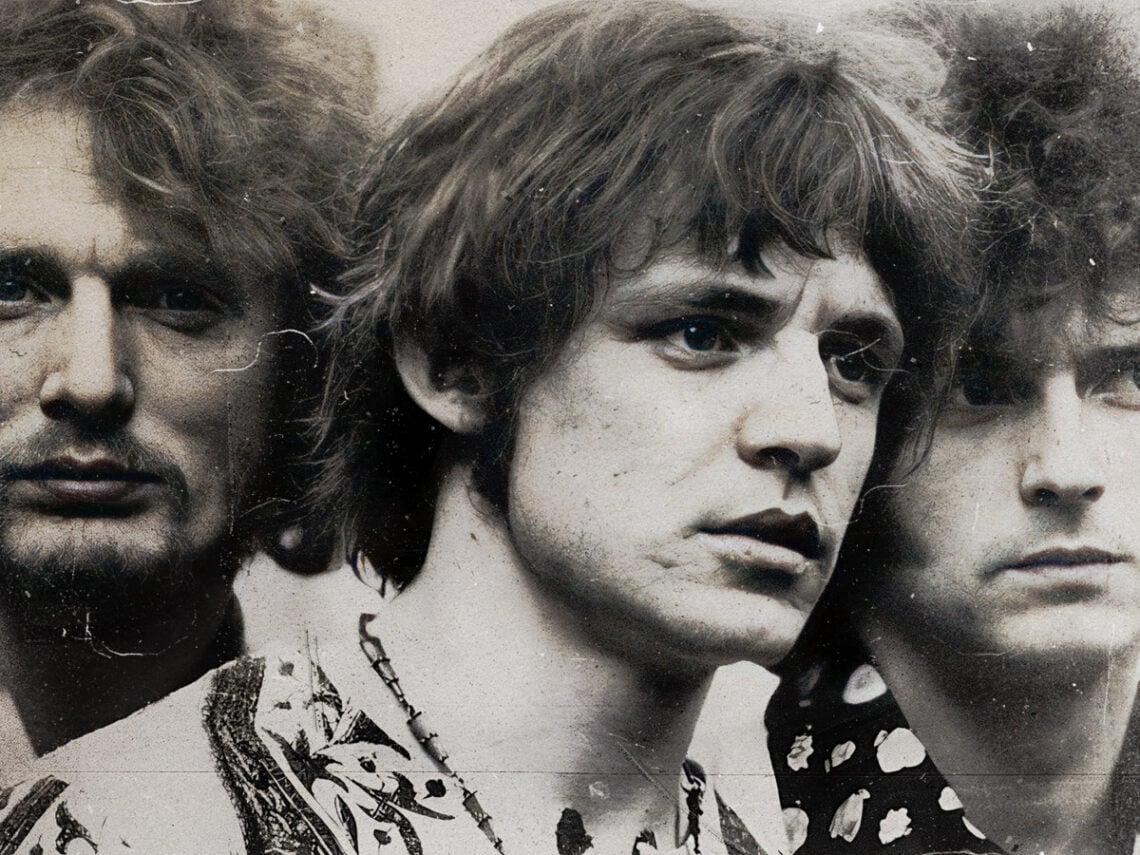
Few bands captured the spirit of the 1960s and its psychedelic revolution quite as expertly as Cream. Despite their colossal, lasting impact on the look and sound of modern rock and roll, the trio of Ginger Baker, Eric Clapton, and Jack Bruce only actually lasted for two years. When they finally parted ways in 1968, after a period of intense conflict and musical differences, their split echoed throughout all corners of the rock and roll world. However, Cream’s influence on the development of rock music certainly did not stop with their break-up.
The three individual members of the group did not seem all that troubled by the split. After all, Clapton was already working on an early incarnation of his extensive solo career, while both Bruce and Baker were in-demand collaborators for a variety of notable names in music. Nevertheless, the separation of Cream did leave a few individuals – who had been instrumental in the success of the pioneering psych-rock outfit – short of a job.
One such figure was the New York songwriter and producer Felix Pappalardi, who had carried out extensive writing and production work on Cream’s defining album, Disraeli Gears. Keen to continue flexing the artistic muscles he had generated on that album, Pappalardi was forced to go in search of a new band to work with when Cream threw the towel in.
Looking back through his Rolodex of musical contacts, the producer chose to pursue the Long Island soul-rock outfit The Vagrants, whom he had worked with in the pre-Cream days. The only problem was that the band had ceased to exist, and its only remnants lay within an unknown artist going by the name of Leslie West.
Leslie West had been at the forefront of The Vagrants, so Pappalardi contacted him to arrange some sessions together. In a full-circle moment, West had abandoned the soul and R&B styling of The Vagrants in favour of something a little heavier and more inventive, inspired largely by the work of Cream and the guitar styling of Eric Clapton. So, when Pappalardi and West got together, their musical aims were largely one and the same: create a new style of rock and roll music to represent the changing tides of youth culture and the music industry.
Initially, Pappalardi only planned to carry out production work on West’s solo album, Mountain, but he also contributed many of the basslines. Immediately, the sounds of West’s guitar work alongside the bass of Pappalardi seemed to work very well together. Before too long, the pair had agreed to join forces and head out on the road under the newly established band name, Mountain.
Thrown in at the deep end, Mountain’s third-ever gig saw them perform at the Woodstock Music and Art Fair in 1969, a festival that would come to define the American counterculture age of the 1960s. As one of the smaller bands to play the show, Mountain did not appear in the film or soundtrack released from the festival, though their set was reportedly well-received by the legions of drug-addled hippies in the crowd.
The first time mainstream audiences were exposed to the groundbreaking sounds of Mountain, therefore, was on their second single, ‘Mississippi Queen’, which reached 21 on the Billboard Hot 100 upon its release in February 1970. Establishing the trailblazing hard rock stylings of the band, ‘Mississippi Queen’ became an essential track in the development of hard rock and heavy metal, arriving less than one year after Led Zeppelin released their eponymous debut across the Atlantic.
Its distinctive riff and early adoption of cowbell gave the single something of a timeless appeal, and its stunning hard rock leanings introduced an entire generation to the abrasive style. Just as Cream represented the pinnacle of 1960s psychedelia, Mountain and ‘Mississippi Queen’ represented the transition from the counterculture age into something a little more raucous and defiant.
