


‘Sebastian’ review: Mikko Makela’s promising yet unfulfilling second feature

Sebastian is the latest offering from Mikko Makela, a Finnish-British director who typically centres his work around gay relationships. For his second feature film, Makela explores age-gap dynamics, sex work, double lives, and the cutthroat nature of the literary world with a refreshingly honest lens.
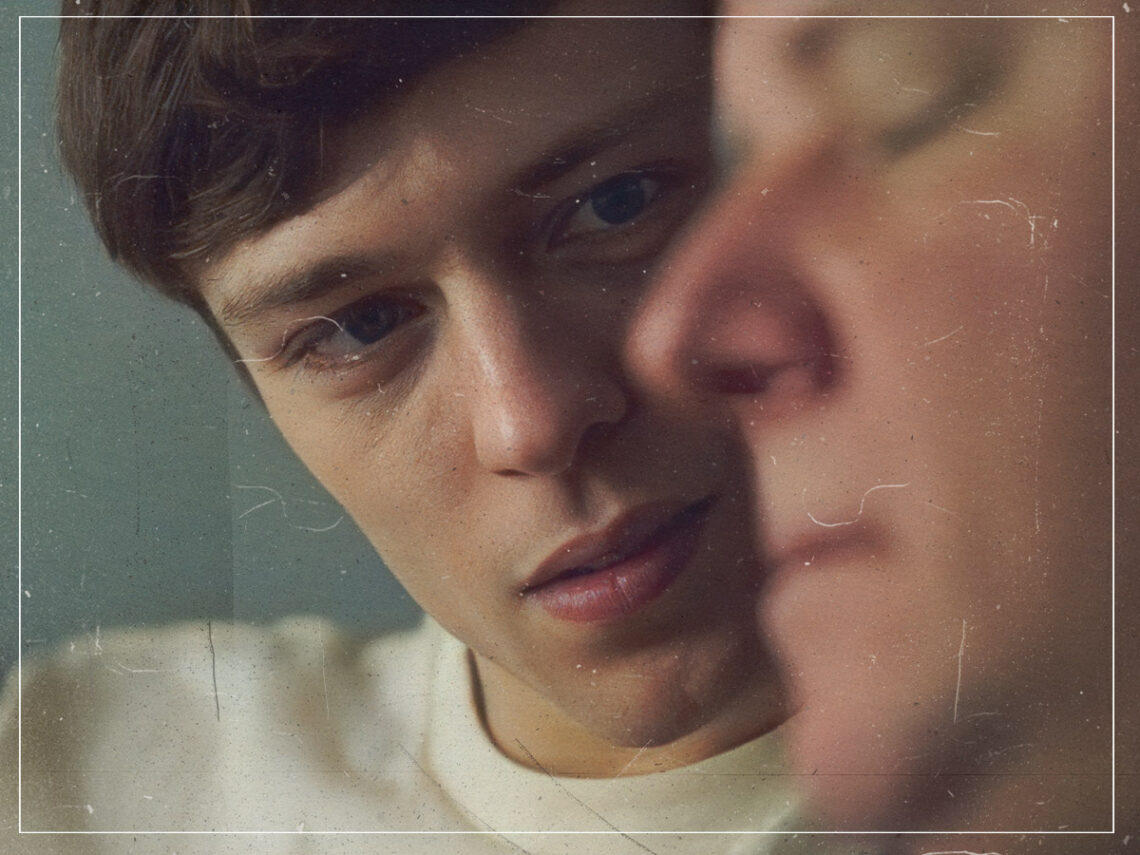
The movie follows Max, played by Ruraridh Mollica, a writer in his mid-twenties who believes the novel he is in the process of crafting could be his ticket to success. His story focuses on students who become sex workers, telling people that his research has come from interviews with those who have actually engaged in the profession.
However, Max has secretly adopted a second life as a sex worker, becoming somewhat of an undercover journalist, using his experiences to write a memoir-style piece under the guise of fiction. The movie begins with Max, who uses the name Sebastian when meeting clients, sitting with an older man – his large, hairy frame contrasting Max’s younger, toned, hairless physique. The pair briefly chat before having sex, and the striking difference between the two emphasises the foreign world that Max has entered.
As the movie progresses, Max finds himself constantly weaving between his normal self and his Sebastian persona, blurring the lines that separate them as two different figures. Their worlds collide when one of his clients appears at a literary event, causing Max to flee the scene before he has a chance to speak to him.
As he embodies his Sebastian persona more frequently, Max grapples with his sense of self, sometimes finding himself unsure of why he’s doing what he’s doing. An unpleasant encounter with one of his clients leads to an instance of sexual assault, with the old man reminding Sebastian that he’s paying him, which means he must be able to have him as he pleases. The scene is clinical and uncomfortable, with Makela highlighting the dangers that can come with the world of sex work.
At the same time, Makela never condemns the profession. Instead, he looks at it through a complex lens, highlighting it as a very real job that many people must undertake to get by while also making visible the brutal realities that can come with it. However, unlike many, Max can turn his position as a sex worker on and off – he is not doing it out of necessity. Thus, Sebastian presents us with an unconventional, almost outsider perspective of sex work that allows us to experience the ups and downs of the job at the same time as Max.
Makela also uses a skilled eye to explore connections between different generations of gay men. Max finds himself enjoying his time with a certain older man, giving him some much-needed company. Still, not all of his encounters are so fruitful, with Makela ensuring that his film doesn’t simply present a one-sided exploration of the themes he sets out to dissect.
While the movie isn’t necessarily boring or badly paced, it lacks something. It is hard to put your finger on it, but everything feels a little detached. You never truly find yourself rooting for Max’s success, and an incident involving an interview with Brett Easton Ellis should make you feel something for Max, but it probably won’t.
And don’t even get me started on the last scene. No spoilers here, but it’s an eye-roll moment out of keeping with the rest of the movie that feels like a huge stylistic let-down. With that being said, the movie is certainly enjoyable and opens up many intriguing avenues for conversation surrounding modern sex work, the accessibility of sex work apps, and sex as currency. Yet, a well-needed jolt of energy is needed; Max spends such a large portion of the film sighing and looking worried that you wonder if the man has ever experienced a moment of joy in his life.
