


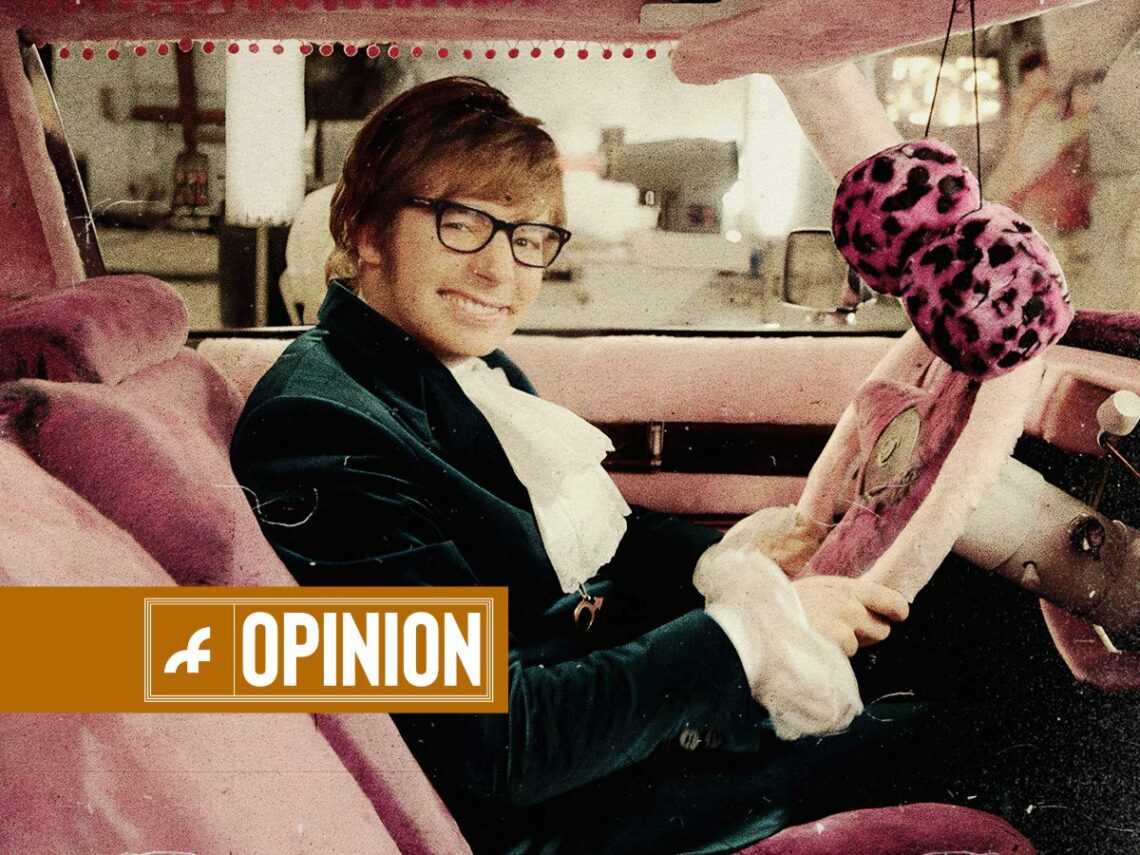
Hear Me Out: Mike Myers is one of cinema’s most underrated comedians

Saturday Night Live, or SNL to the common comedy lover, has long been a mainstay of American television, known for producing some of the finest comic minds of contemporary media. Back in the 1980s, when the show was at the height of its popularity, it was responsible for making a name for such established talents as Billy Crystal, Eddie Murphy and Harry Shearer, but whilst such stars were already Hollywood icons, the emergence of Mike Myers in latter stages of the decade would go on to shape the landscape of Hollywood comedy in the coming decade.
Aged just 25 when he emerged on SNL as a featured guest alongside Ben Stiller, Myers would go on to become an established name of the beloved show, becoming a significant draw thanks to his surreal characters with bizarre catchphrases. Steadily gaining a public following, Myers took his Wayne’s World sketch from SNL to the big screen in 1992 and would soon challenge the influential persona of Jim Carrey, who rose to fame at a similar time.
But, unlike Carrey, whose general raucous persona seems rooted in the 1990s, endlessly ‘of its time’, the films and performances of Mike Myers seem far more modern and comedically astute. Playing the titular Wayne Campbell in 1992’s Wayne’s World, Myers thrived alongside his co-star and fellow SNL member Dana Carvey, creating several moments of subversive comedy that share more of a kinship with modern humour.
A somewhat sub-par sequel to Wayne’s World followed one year later before the actor took a hiatus from the big screen after finishing his time on SNL in 1995. Then, in 1997, the same year Carrey released Liar Liar, Myers changed the face of modern comedy with the release of Austin Powers: International Man of Mystery, a James Bond piss-take that starred Myers as the goofy title spy as well as the cartoon villain Dr. Evil. Whilst it’s easy to scoff at the film’s gleeful foolish nature, the truth is that the first in the Austin Powers series remarkably stands the test of time, largely thanks to the phenomenal lead performance of Myers.
Channelling his inner Peter Sellers, Myers gives a fantastic physical performance as the idiosyncratic spy from the swinging sixties, giving a genuine spark to an otherwise effortless spoof movie. Penning the script of the movie whilst also leading from the front line, Myers single-handedly created a timeless comedy icon of the 1990s, subsequently derailing the James Bond franchise for a number of years.
Armed with thick-rimmed black glasses, a white frilly lace cravat and viscerally grim teeth, Myers exposed and ridiculed the nonsensical aspects of the James Bond series with his ingenious character who would receive a sequel, The Spy Who Shagged Me in 1999. Though critics saw his idiosyncratic style as merely puerile, there is an artistry to his performance that people are too keen to dismiss.
Lending his voice to the beloved animated ogre Shrek in the Dreamworks movie of the same name in 2001 before completing the trilogy of Austin Powers movies with Goldmember in 2002, Myers thrived behind the scenes in the early part of the 21st century. Myers even found enough space to elevate the admittedly troubled adaptation of Dr. Seuss’ The Cat in the Hat in 2003, making a film that was barely watchable into something of a surreal Lynchian comedy.
Myers has had artistic misses, this we can be certain of, with few redeeming qualities existing in 2008’s The Love Guru, yet shades of his old self returned in Netflix’s underrated zany comedy The Pentaverate. Still, cinema shouldn’t turn a blind eye to the contributions of such a potent comic, gifting Hollywood with some of the greatest characters and iconic lines whilst giving his physical all to each and every character he took on.
