


Hear Me Out: ‘Ferrari’ may not be a triumphant return for Michael Mann

Michael Mann has long been one of the most revered directors in Hollywood. If you want to talk about crime dramas, it is hard to do so without mentioning his seminal 1995 magnum opus, Heat. In that film, Mann didn’t just tell a story; he built an entire universe with characters as intricate and volatile as the seedy Los Angeles in which they resided.
With utterly knockout performances from Al Pacino and Robert De Niro as the LAPD detective and professional thief, it took what could have been a standard guns-blazing crime thriller and elevated it to something unrivalled. Not even the character-rich, lore-heavy world of Pulp Fiction has been yearned after in the same way Heat is. Audiences were so hungry for more of it that a request for a sequel has been a regular part of cinematic discussions since its release nearly 30 years ago.
Eventually, Mann would satisfy fans’ demands…sort of. Collaborating with acclaimed thriller writer Meg Gardiner, he released Heat 2 in August 2022. The only problem was that it was a book. Serving as both a prequel and sequel to the events of Heat, Mann chose to explore his 1995 film further through the medium of prose. Some fans may have been disappointed, but, as Mann gleefully noted to Variety, “fortunately, it became a New York Times number one bestseller”. Nevertheless, the original movie remains the pinnacle of Mann’s achievements – a movie so influential that a young Christopher Nolan was directly inspired by it when shaping the gritty realism of his own Batman trilogy.
Yet, if we journey through Mann’s cinematic timeline, we find a series of idiosyncratic choices that make us question whether this is the same director who once gave us such a meticulously crafted classic. In the early 2000s, Mann took a bold step into the world of digital cinematography with films like Collateral and Public Enemies, opting for a style that was, shall we say, novel. Others might have called it ugly. But these movies, though interesting, lacked the narrative depth and the unique visual grammar that his previous works had so consistently showcased. With its core premise of a taxi driver and a hitman, it perhaps came closer – but still felt like a hefty departure from the Mann we had come to adore.
And then, in 2015, Mann’s Blackhat seemed to amplify all these issues, creating a rift between the director and his core audience. The film was an awkward mix of cyberpunk aesthetics and a story that felt almost embarrassingly out of touch with the digital age it was trying to depict. And it wasn’t just the story; even the characters seemed like half-hearted attempts at relevance – it felt more like an idea than a fully fleshed movie in its own right. But the key, really, is the out-of-touch element.
Why Ferrari might not be very good…
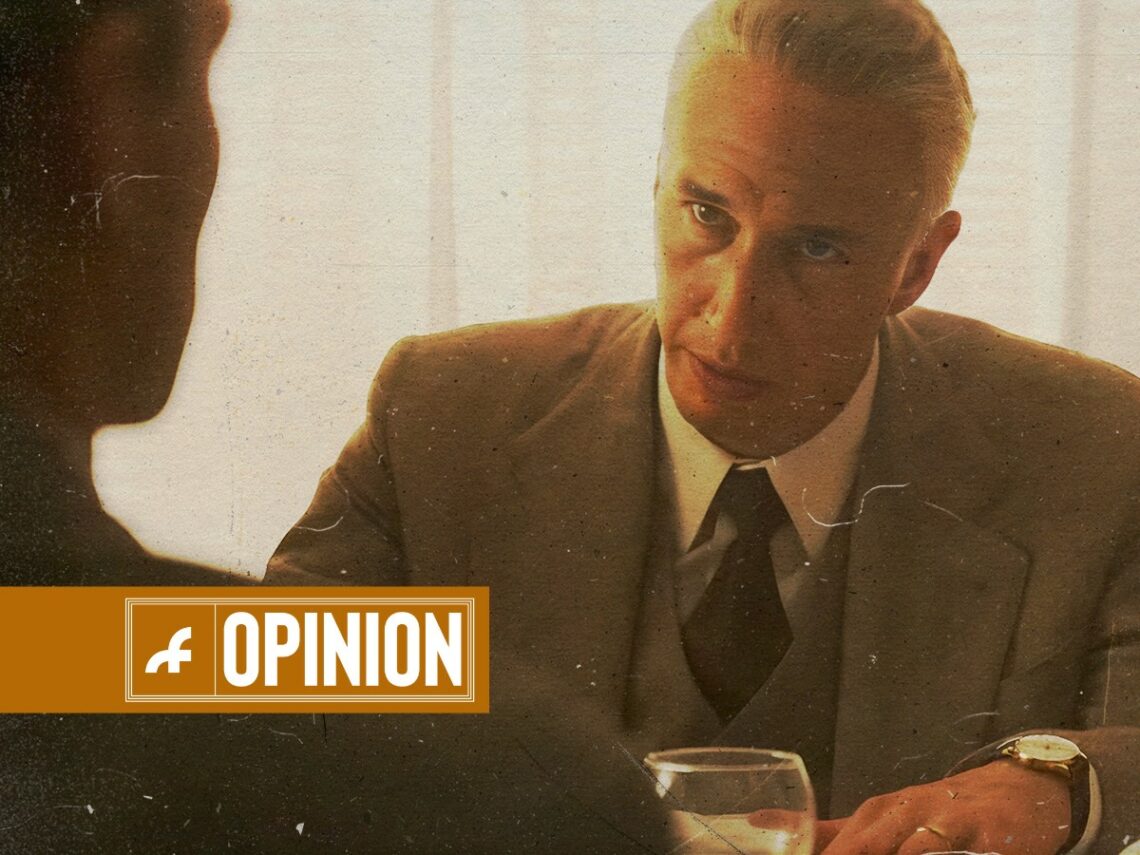
For anyone who had been following Mann’s trajectory, 2015 was a low point. We have seen a similar path trodden by Ridley Scott. A legend in his own right, Scott has given us masterpieces like Alien and Blade Runner. But his recent outing, House of Gucci, was a bloated affair, too enamoured with its star power and too indifferent to storytelling. Here lies my apprehension about Mann’s upcoming film, Ferrari. The trailer for this project presents an eerie similarity to House of Gucci, particularly with Adam Driver front and centre, offering the same appalling Italian accent. It’s as though the Hollywood machine is creating a new genre: the old-guard director’s uninspired biopic.
This comparison is particularly alarming because Mann was once anything but formulaic. Even in lesser-praised films like The Last of the Mohicans or The Insider, he displayed a unique storytelling and character development approach. He offered us stories deeply rooted in their environment; be it the wilderness of North America or the offices of big tobacco companies, Mann’s characters were a product of their circumstances, making them inherently relatable and real.
So, what happened? Is it the burden of an illustrious past? Is it the struggle to adapt to an ever-changing cinematic landscape? It’s hard to pinpoint where things went awry. But I can say that Mann still has a legacy worth preserving. The upcoming Ferrari should not just be another project for him but a canvas to showcase that the old magic isn’t gone; it’s merely been dormant.
We all know the saying: “You’re only as good as your last project.” For directors like Mann, this can be both a curse and a call to action. But if Ferrari turns out to be as uninspiring as its trailer suggests, he risks solidifying a narrative of decline and overshadowing a career that has otherwise been a cornerstone of modern American cinema. Here’s hoping, with the utmost sincerity, that I’m completely wrong.
