


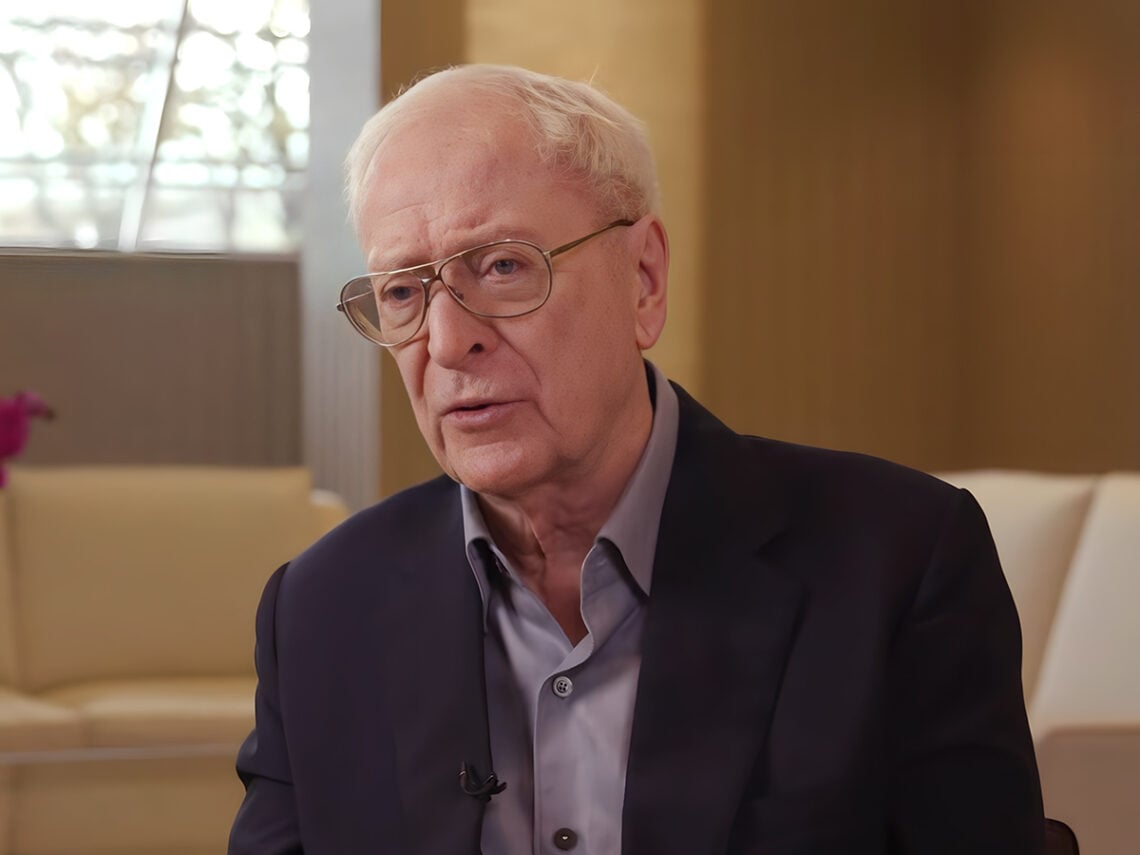
The “man’s, man’s, man’s, man’s man” Michael Caine called Hollywood’s most macho filmmaker

Now that Michael Caine is 92 and looking a bit more frail, having made his last film in 2023, it’s more important than ever to appreciate what a genuine, proper movie star he was back in the day, and in some fantastic films too.
Alongside Bond himself, Sean Connery, who he would share star billing with in 1975’s The Man Who Would Be King, as well as a height of 6foot 2inches, Caine was the epitome of big screen British masculinity from the mid-1960s onward, his own spy character Harry Palmer proving just as cool as Bond in The Ipcress file, and then Caine putting a bullet in the swinging sixties with the bleak, gritty revenge film Get Carter.
His other speciality was war films, the man’s own stuff allowing the post-WW2 babies who had grown up reading comic books to fantasise about hunting down Nazis or escaping heavily guarded prisoner of war camps.
The cinemas were full of them for a 20-year period, emanating from both sides of the Atlantic and starring chiselled action heroes with five o’clock shadows and quotable lines to burn, with the likes of Steve McQueen in The Great Escape, Clint Eastwood in Where Eagles Dare, and Lee Marvin in The Dirty Dozen, which was directed by Robert Aldrich, an American director who made his name in Hollywood in the 1950s with noirs and westerns and was probably most famous for the 1962 horror classic Whatever Happened to Baby Jane? starring Bette Davis and Joan Crawford.
In 1956, he directed his first feature with Marvin, a war film that unusually looked at the psychological effects of combat on the men sent to battle, and ten years later, Aldrich cast Caine in another war movie called Too Late the Hero, intended to make the most of the director’s success with The Dirty Dozen and to capitalise on the actor’s emergence as one of the best leading actors of the time; moreover, because Caine had already appeared in three war films by this point in 1970, the prospect of another, this time set in the Pacific in 1942, held no fears for him.
Caine remembered working with Aldrich back in 2002, saying, “Bob was great. He was a man’s, man’s, man’s, man’s man. He was tough, built like a brick chicken-house, an ex-football player. He made very macho movies, and we spent 18 weeks in the jungle in the Philippines with him. It was an amazing movie to make, but we were glad to get out of there, I can tell you.”
He explained why in detail, which makes the relief even more apparent, saying, “There were these little snakes all over the jungle that looked just like twigs on a tree. And they were deadly. One day before we went in the jungle, this band of little native guys came out, none over five feet tall. These guys could actually smell the twig snakes and would survey the area before we went in!”
Reviews for Too Late the Hero were mixed, and the box office was disastrous, especially after the success of The Dirty Dozen, losing almost $7million, and Aldrich didn’t have another hit until he cast Burt Reynolds in the 1974 prison comedy The Longest Yard, which proved to be his last success.
Caine, meanwhile, had no such trouble, making three films the following year, including Get Carter, and the ‘70s saw his fame grow, making several more war films like 1976’s The Eagle Has Landed with Donald Sutherland and Robert Duval.

Never Miss A Tale
The Far Out Michael Caine Newsletter
All the latest stories about Michael Caine from the independent voice of culture.
Straight to your inbox.