


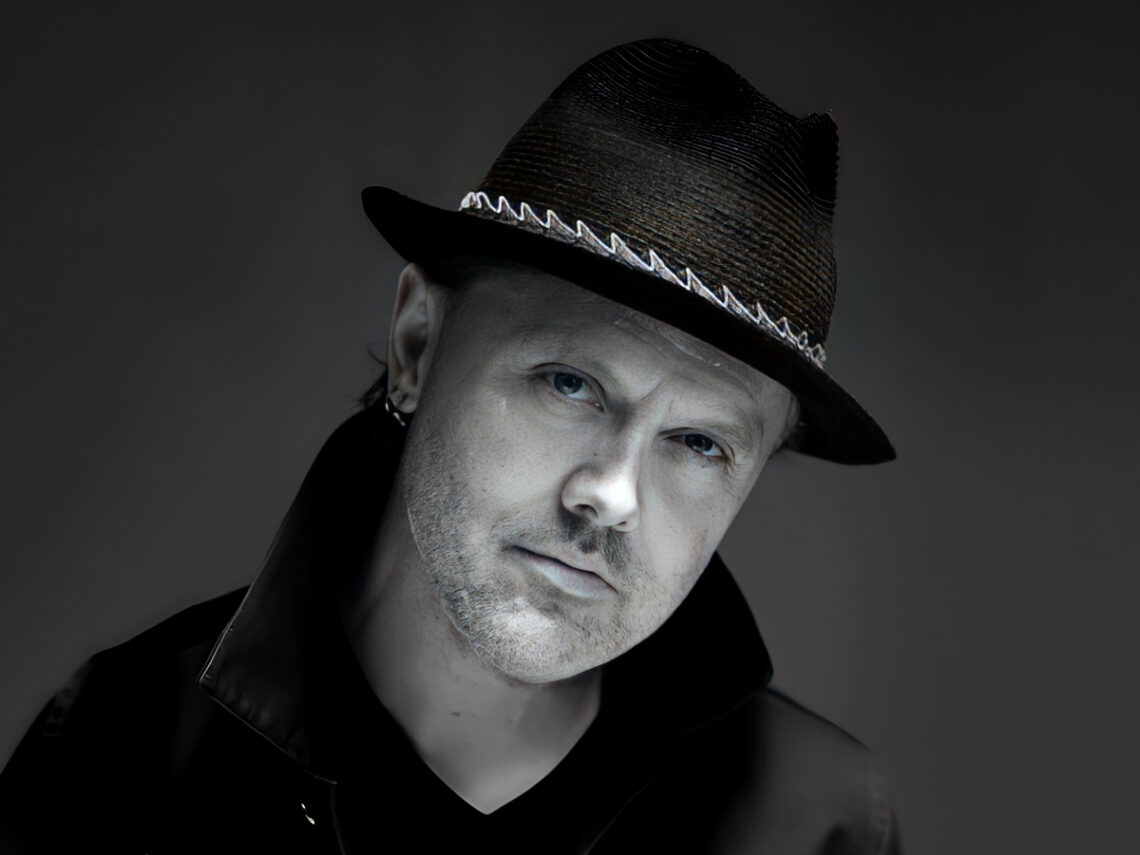
The Metallica song that saw Lars Ulrich focus on “swing and swagger”

Heavy metal is many things. Aggressive. Powerful. Incongruously popular in Scandinavia. The one thing you can’t call it, though, is danceable. I’m sure there are people who will try. Lord knows the likes of Slipknot, Sepultura, and future Download headliners Sleep Token have tried to incorporate hip-hop, funk, and R&B influences into their respective sounds. Let’s not kid ourselves here, though; heavy metal has all the groove of the House of Lords’ foxhunting playlist. Once you get into thrash metal, and Metallica in particular, the whiteness on display could leave an unsuspecting metalhead snow blind.
To be clear, this isn’t a critique of the genre or the music itself. While the streaming era has blurred genre boundaries, music that attempts to be all things to all people tends to fall flat—exhibit A: Imagine Dragons and their terminally bland, everything-branded musical paste. It’s far better to choose a lane and excel in it, and at Metallica’s peak (i.e., the 1980s), no one was delivering a more electrifying and pulverising blitzkrieg than they were.
If anything, there was no point in trying to dance to it. Spend even a second doing anything other than headbanging, and you’d risk missing something—a James Hetfield roar, a Kirk Hammett solo, or Lars Ulrich… well, standing up at his kit and pulling faces at the crowd. The point is, when Metallica were a no-nonsense, balls-to-the-wall thrash metal band, they almost singlehandedly brought the subgenre into the mainstream.
I say “mainstream” with my entire chest because Metallica weren’t “big for a metal band”; they were one of the biggest acts in music. Proper U2 level success. The problem came in the 1990s, as when that level of success comes for you, one tends to modify the music to match. As a stadium-slaying rock band, Lars and Co began trying to play stadium-slaying rock music that stood a chance on the radio, the Metallica song that saw Lars Ulrich focus on “swing and swagger”. At least they began with an absolute classic; only a real try-hard would argue with The Black Album, but then the rest of the 1990s happened.
Like Samson, Metallica seemed to lose their strength when they cut their hair. Load and Reload were relative misfires, and then St Anger happened—bloody hell. Since then, the band has spent much of their career trying to recapture the spirit of their early records, with varying degrees of success. 2009’s Death Magnetic and 2016’s Hardwired… To Self-Destruct were both surprising returns to form, even if the best version of the former lived on Guitar Hero, of all places. Then, with 2023’s 72 Seasons, Metallica did something even more unexpected: they fused their early thrash roots with their ’90s alt-rock sensibilities, and—would you believe it—it’s pretty great!
Ulrich told The Sun about their plans for the record, summing them up with the single ‘If Darkness Had A Son’. He said: “The priority is always what’s best for the song, the interplay between James’s rhythm guitar and my drums is the foundation of our sound and has been for 40 years. But these days, I’m more focused on swing and swagger and setting up the whole band to be at its best. This record has landed in a good place.” Perhaps the band’s unquestionable position as metal elder statesmen helps them out here.
Their tragic mid-to-late-90s run came from the band feeling like they had to prove themselves on the international stage. Four decades into their career, that need is long gone. They’re trying to be nothing other than themselves, and if their music has a touch more “swing and swagger” than we’re used to, then this time, it works. Not at all sad, but very true.
