


‘Who Do I Belong To?’ movie review: defying genre categories

This unusual first feature by Montreal-based director Meryam Joobeur is a fascinating production that defies standard categories. It is equal parts family drama, horror story, and spiritual fable. The Tunisian/Canadian collaboration introduces a unique voice in director and screenwriter Jobeur, who tells a story in a truly distinctive way. The film is divided into three chapters, each with its distinctive look and sound and filling in blanks left by earlier scenes as a strange mystery is gradually solved.
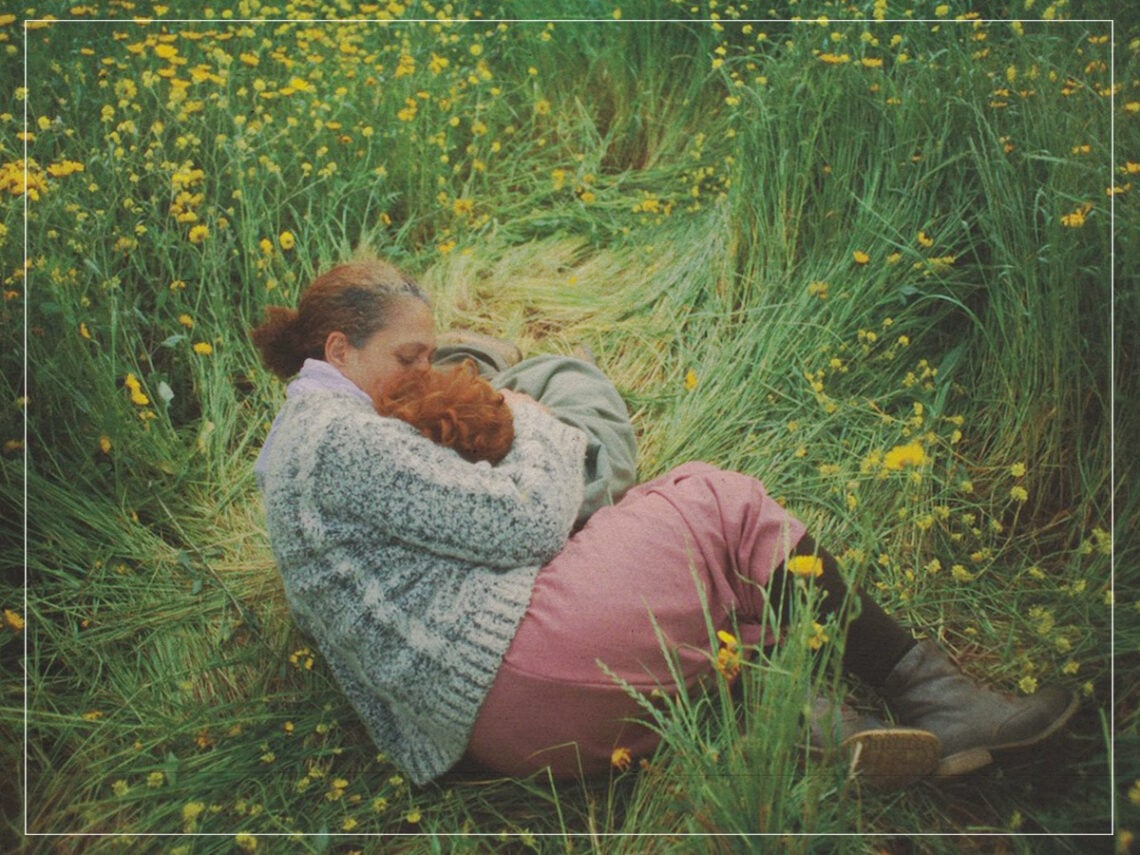
In rural Tunisia, a wedding party is interrupted by the news that two of the relatives, young men, have disappeared. It emerges that they have left to fight with ISIS. At the centre of the story is their mother, Aïcha (Salha Nasraoui), who is grieved by her sons’ decision and fearful for their safety, at odds with her husband Brahim (Mohamed Grayaâ) over who is at fault for the boys’ decision. Aïcha is known to the community as a clairvoyant of some kind, and her visions alternate with real life in certain scenes following the two men’s sudden absence.
Things take a drastic turn when one of the brothers, Mehdi (Malek Mechergul), finally returns, explaining that his brother Bilal has been killed in the wars. Mehdi has unexpectedly brought with him a wife, Reem (Dea Liane), who is pregnant, persistently silent, and dressed in an unusually strict form of Muslim dress, complete with a face veil. The mysterious new wife disturbs the family and neighbourhood for no reason they can put into words, but Aïcha’s devotion to her son moves her to overlook the woman’s sinister presence.
What is striking about the film is the way the story is told, not through dialogue or simple demonstration, but by using subtle acting, cinematic techniques, and carefully chosen images to express mood and emotion or to hint at danger. Mehdi’s unspeaking wife does nothing threatening, but her manner, the subtle and eerie musical score, the way she is filmed, and the reactions of the villagers hint that something is amiss. Even animals seem uneasy near her. The tense atmosphere is contrasted by the presence of the youngest brother, Adam, who is oblivious to any problem and is happy to have his older brother back. The little boy’s innocence only enhances the growing unease in the village.
The tone becomes increasingly sinister whenever Reem is present, and family members, although unwilling to speak openly about their concerns, begin to hint that Mehdi and his wife should leave the village. Only Aïcha’s motherly determination to keep her son close, at least until his child is born, keeps them in residence as family and village are further disrupted, and resentment grows.
In the second chapter, the film moves into elements of magical realism as confusing new information about Reem emerges, and strange acts of violence and vandalism cause further alarm. Aïcha’s second sight provides a series of ominous visions, filmed in an otherworldly style and accompanied by an intense, non-musical soundtrack. The final chapter uses a more naturalistic style to finally reveal the horrifying truth through a series of flashbacks.
The filmmaker’s skill and creativity provide a riveting story with only a minimal plot. It makes a clear statement about the far-off war without any direct reference to politics and maintains an incredible level of suspense through an outwardly mundane but mysterious series of events. It is a fascinating project that promises interesting things to come from this novice director.
