


The 1999 horror movie Quentin Tarantino called “a true masterpiece”

It’s well known that Quentin Tarantino has a deep obsession with world cinema and has expressed his admiration for the best movies of Japan on several occasions.
For instance, the director has previously spoken glowingly of Kinji Fukasaka’s 2000 action-thriller Battle Royale and has claimed that it’s the one film that he wishes he was able to make.
That admiration speaks volumes considering Tarantino’s own reputation as one of modern cinema’s most influential filmmakers. For him to single out a contemporary Japanese film above the countless classics he has championed over the years highlights just how highly he regards Fukasaka’s achievement and the impact it had on his creative imagination.
But Tarantino’s love-in with Japanese cinema does not end there. He also greatly admires the samurai works of Akira Kurosawa, which had a big influence on his Kill Bill and also the movies of Takeshi Kitano, particularly his film Sonatine. Tarantino’s passion for horror is also well-known, so it makes sense that he’d speak so highly of this critically beloved Japanese horror movie.
“Takashi Miike’s Audition. A true masterpiece if there ever was one,” the director once said. “I love this movie, by the way, and I love this sequence, but I watch it burn audiences down like crazy. It’s a Japanese movie; it’s one of the really, really strong movies and quite a masterpiece, one that’s come out in the last twenty years; you should check it out.”
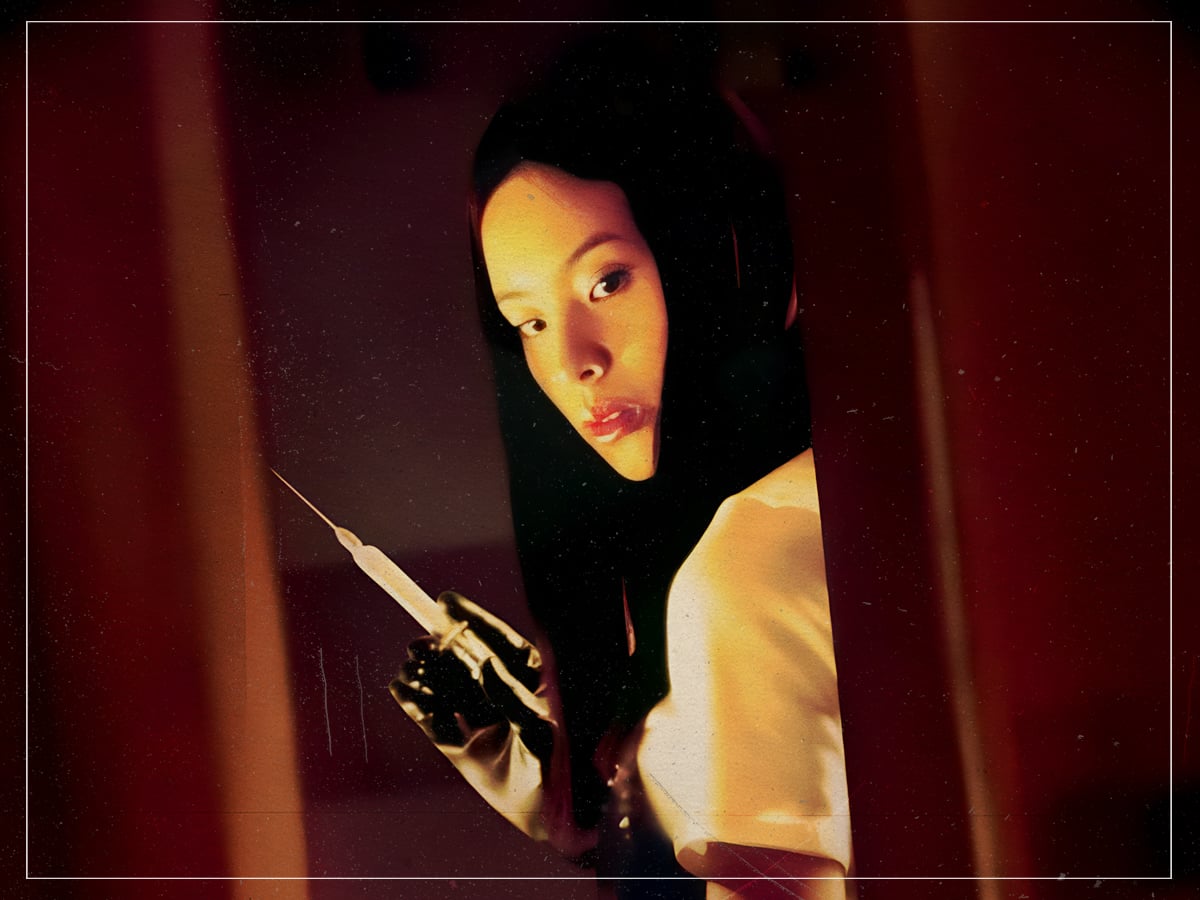
Audition arrived in 1999 based on the 1997 novel of the same name by Ryu Murakami. It stars Ryo Ishibashi and Eihi Shiina and tells of a widower who stages a false audition for a new lover and romantic partner. After he interviews a number of women, he settles on Asami, a young woman with a dark secret history.
One of the key parts of Miike’s film for Tarantino is the effect that it has on an audience, and he explained that one should really take the time to watch it in public rather than at home alone. He said, “One of the things – it’s not the same watching it on DVD as it is watching it in a room full of strangers.”
Further elaborating on the particular moment where the audience is most affected, Tarantino added, “The sequence towards the end gets so fucking rough, and he hasn’t prepared you for it at all, which is kind of the genius of it, but you actually feel the audience getting madder and madder like there is going to be a riot, maybe.”
There’s no doubt that Audition is provocative, but Tarantino believes that there’s an artistic quality to proceedings rather than provocation for mere provocation’s sake. “He’s done it in a few movies; it’s no happy accident. He did it in Ichi the Killer,” Tarantino continued. “After daring the audience to actually attack the screen and charge the projection room and burn the print, he does this one little tiny thing.”
The “tiny thing” in question is what brings the audience around to the genius of the film. “The whole audience laughs,” Tarantino explained, “and then from that point on, you get it, you see it through different glasses. It’s one of the wildest leaps I’ve ever seen anyone do as far as orchestrating an audience goes.”
For Tarantino, this ability separates great filmmakers from merely provocative ones. Audition succeeds not because it shocks viewers, but because every shocking moment serves a larger artistic purpose, creating an experience that remains unforgettable long after the credits roll.

Never Miss A Take
The Far Out Quentin Tarantino Newsletter
All the latest Quentin Tarantino content from the independent voice of culture.
Straight to your inbox.