


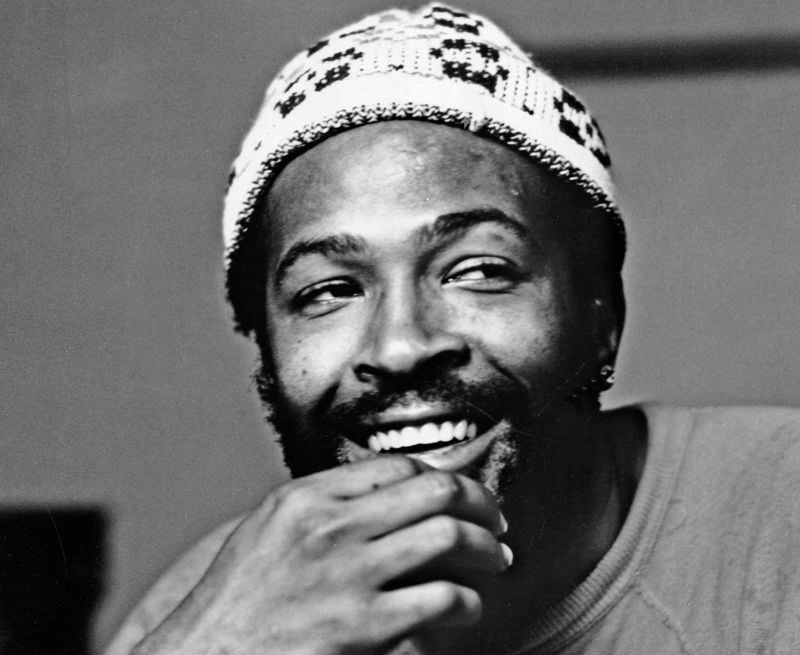
The Marvin Gaye song that John Lennon loved

For John Lennon, peace was the thing. Towards the end of his time with The Beatles, he became infatuated with the idea that humanity was on the cusp of a new Pax Romana – an era in which war, world hunger and inequality would be little more than artefacts of a bygone age. In preaching peace, Lennon became a sort of pop messiah. The economists and politicians of the world had ceased to have the cut-through they needed to make an impact on public consciousness. As one of the most famous musicians on the planet, Lennon had a huge level of political influence. He also knew that the humble pop song was one of the best ways of disseminating political messaging.
Around the time of his bed-in protest against the Vietnam War, Lennon took part in an interview in which he was asked why more musicians weren’t involved in peace activism. “I don’t know,” he replied vaguely. “Because rock people are no different from anybody else, except for they have a different occupation.”
Both Lennon and Ono felt that the rest of the music world was content with the way things were. “Yeah, just name the people that are active in peace,” Lennon continued, “And we’ll get in touch with them, because we’re looking for them.” He did concede, however, that there were a few artists using music to spread messages of peace. “I believe in all the songs going on, whether … whatever motive they put ’em out for,” he said. “And at the moment in Britain, there’s ‘The Onion Song’ from … the American one with Marvin Gaye and somebody else [Tammi Terrell].”
The ‘Onion Song’ says that the world is “a great big onion” and that the only way to stop it from making us cry is to plant “love seeds until it dies.” Interestingly, Marvin Gaye’s biographer David Ritz claimed that the woman singing in ‘The Onion Song’ is not Tammi Terrell at all but its co-writer Valerie Simpson. Gaye had planned to sing the duet with Terrell, but she was receiving treatment for a brain tumour at the time. Simpson was initially hesitant to mimic Tammi but decided to go ahead and record the song after learning that the royalties would do towards the singer’s medical expenses. Simpson later denied such prominent involvement in the recording, arguing that she had merely assisted Terrell in the studio.
John would go on to observe that ‘The Onion Song’ was the perfect example of musical activism in action, though he recognised that not everyone was capable of spreading the message of peace in such a way. Discussing different forms of political activism, he said: “If a musician uses his talent to sing that, that’ll do. It doesn’t have to be dedicated like we are — that kind of fanaticism. It can be on the local housewife level.”
In Lennon’s eyes, you didn’t need to be a strident revolutionary to make a difference; systemic change could only be achieved through the participation of society as a whole. “Just show your colours locally,” Lennon concluded. “You don’t have to have a whole press ballyhoo to do it. Just do it locally.”

Never Miss A Beat
The Far Out Beatles Newsletter
All the latest stories about The Beatles from the independent voice of culture.
Straight to your inbox.