


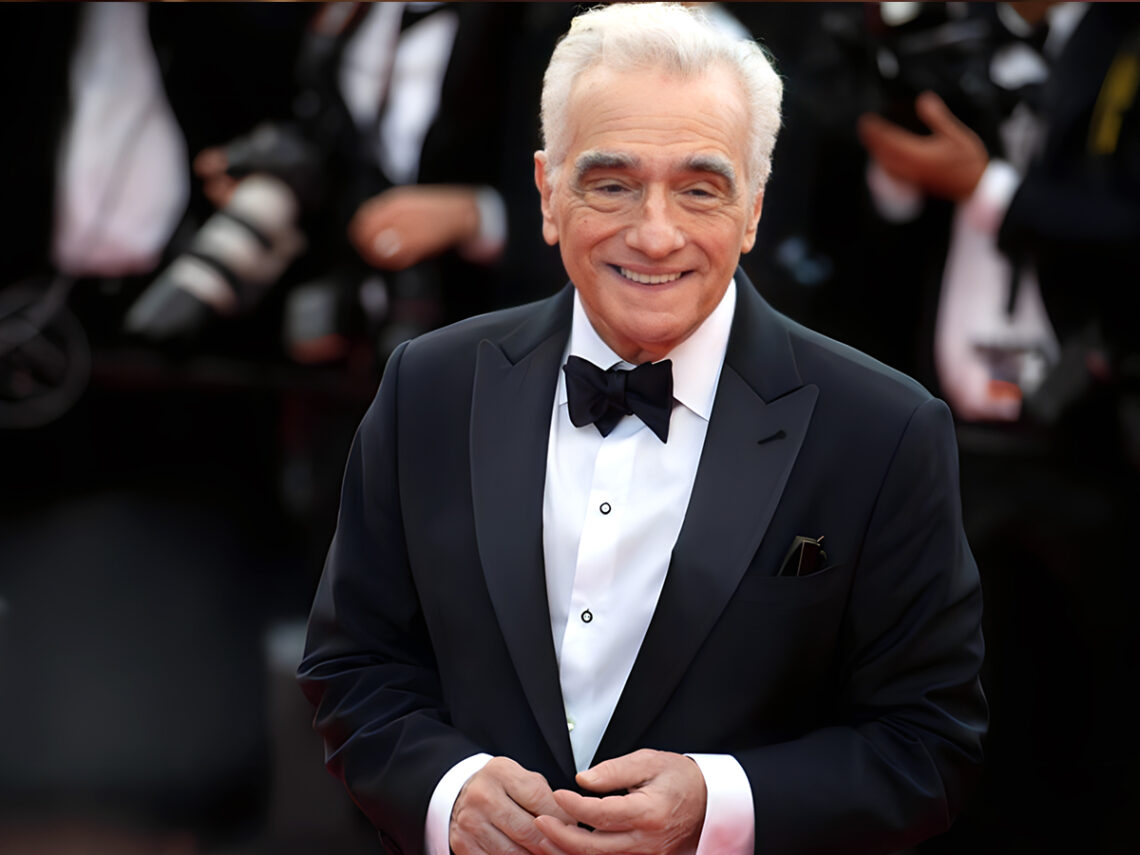
Hong Sangsoo: Martin Scorsese shares his love for “the Korean Woody Allen”

Acclaimed director Martin Scorsese, known for both his own significant contributions to cinema and his love of films from across the globe, recently expressed admiration for South Korean cinema, particularly heralding filmmaker Hong Sangsoo as “the Korean Woody Allen”.
Referring to the contemporary wave of South Korean cinema that has rolled in over the past two decades, Scorsese expressed how these films had “enriched me, educated me, disturbed me, moved me in a way that have awakened me to new possibilities in cinema”.
Speaking in a presentation of Hong Sangsoo’s Woman is the Future of Man, the director referenced the same wave that has brought forth globally recognised auteurs like Park Chan-wook, famous for films like Oldboy and Stoker, Lee Chang-dong, known for Oasis and Poetry, and Kim Ki-duk, the creative mind behind Spring, Summer, Fall, Winter, amongst others.
Despite the many remarkable names associated with the Korean New Wave, Scorsese has a particular interest in the works of Sangsoo, whom many have deemed the “Korean Woody Allen”. The comparison with Allen doesn’t just arise from Sangsoo’s comedic exploration of social etiquette, but his ability to take what ostensibly are ‘comedies’ and still guide the viewer through a rich myriad of emotions.
Sangsoo also has a trademark of retelling stories from multiple perspectives, ultimately adding complexity and intrigue to his films, giving them many layers. As Scorsese puts it: “In each of his films that I’ve managed to see, everything kind of starts unassumingly.” Then, appropriating a previous critic’s statement on Alfred Hitchcock films, Scorsese adds: “But then things unpeel like an orange”.
Hong Sangsoo, a prolific name on the film festival circuit, frequently has a project or two in the limelight. His recent movie, Hill of Freedom, is another testament to his diverse storytelling approach. The film, which received critical acclaim, depicts a Japanese man’s journey to Seoul to reconnect with his ex-girlfriend using a jumbled pile of letters.
Adding another feather to Sangsoo’s creative hat is his successful experiment with language in Hill of Freedom. Interestingly, the movie is primarily in English; this language barrier forces the characters out of their linguistic comfort zones, resulting in a unique sense of ‘meaningful inarticulacy’. Sangsoo’s ability to portray such complex emotions mirrors his previous works, where he effectively leveraged the real-life drunkenness of his all-Korean casts to engineer similar incoherence.
It’s undoubtedly an unconventional technique and perhaps ethically dubious, but it’s part of what makes Sangsoo’s storytelling so distinctive and compelling. Scorsese’s praise underscores South Korean cinema’s global appeal and influence and should hopefully encourage his fans to look slightly further afield when considering their next watch.
