


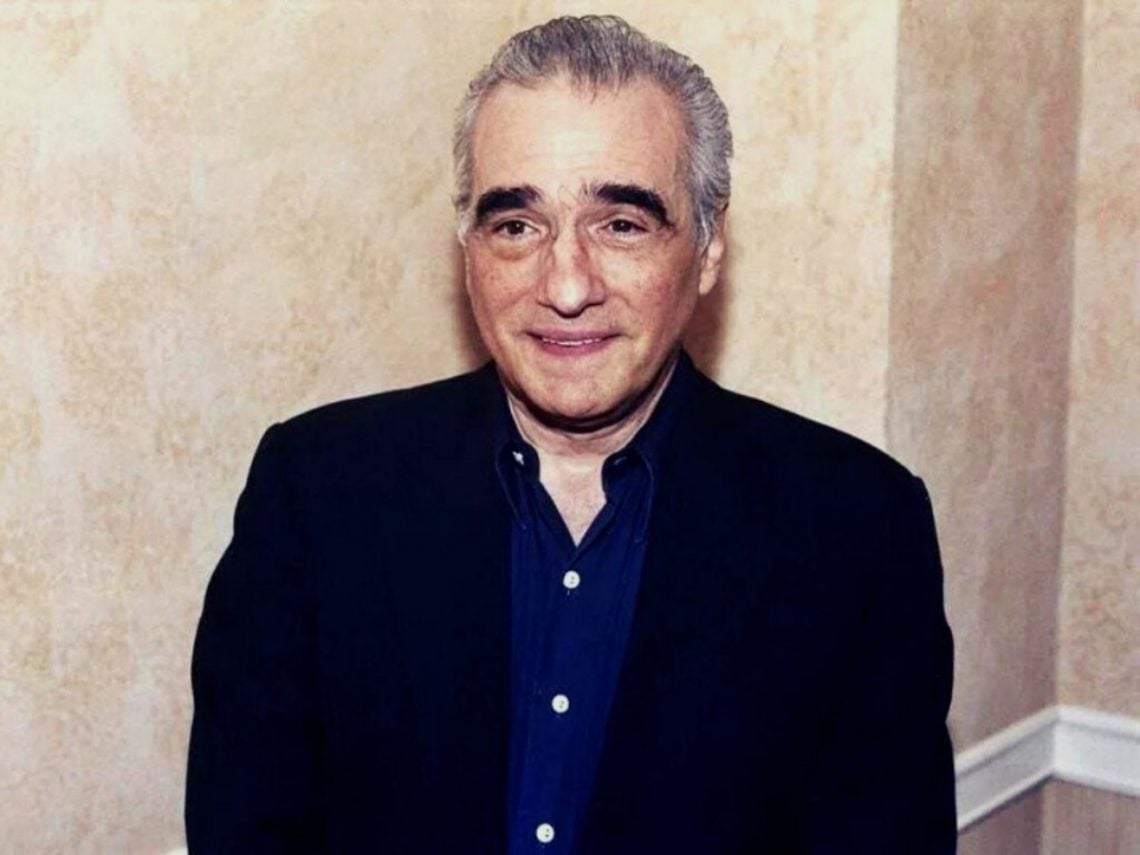
Martin Scorsese recalls the first time he met David Cronenberg

The 1970s was a monumental decade for cinema, as the European industry flourished with minds from Rainer Werner Fassbinder to Agnes Varda, and Hollywood blossomed with similar innovators from Martin Scorsese to David Cronenberg. Operating on two sides of film genre, with the former dominating gritty crime cinema and the latter transforming the world of goopy body horror, both filmmakers would come to define a generation of innovators.
Though Scorsese had been making his way up the industry ladder in the decade prior, he would find true success in the 1970s, starting off the decade in style with his iconic gangster flick Mean Streets in 1973. Further success followed, too, making Alice Doesn’t Live Here Anymore in 1974, the Palme d’Or winner Taxi Driver in 1976 and the musical documentary The Last Waltz in 1978, featuring Van Morrison, Neil Young and Bob Dylan.
Meanwhile, Cronenberg also made a significant rise, making the alien sci-fi feature Shivers in 1975, which was pivotal in putting him on the critical scene. This success was followed by the gory horror Rabid in 1977 and the more critically acclaimed The Brood in 1979 before the next decade would take his career to new heights, releasing Scanners, Videodrome and The Dark Zone, all before 1985.
Conscious of Cronenberg’s status, Martin Scorsese spoke to Fangoria back in 1984 to discuss the rise of the Canadian filmmaker, revealing the peculiar “tension” of their first encounter back in the mid-1970s.
“It was opening night, a very August occasion at the 1975 Edinburgh Film Festival,” Scorsese begins, “The opening attraction was the work of someone I’d never heard of-nothing unusual in that-named David Cronenberg. The title was The Parasite Murderer’s (AKA Shivers.) This was beginning to sound interesting”.
Describing the very first time he sat down to watch a David Cronenberg feature film, he explains: “I took my opening-night seat and watched the credits, which looked like a commercial on a local late-night movie. Then, after the credits, I watched a little more and started to wonder what this Cronenberg cult could have looked like”. Going into fine detail about the presumed stereotype, he exclaimed: “Thick glasses, runny noses, celibate since birth and probably Communists, for all we knew”.
Whilst there are many Cronenberg fans who don’t fit this description, it’s also undeniable that many Videodrome-lovers are indeed snotty-nosed teenagers thirsty for gore. “I made it through the rest of the movie in an ever-increasing stupor of shock and depression,” he went on, before reflecting, “When it ended, I thought I didn’t like it. But a year later, I found myself thinking about it and talking about it to anyone who would listen…it’s an ending that is genuinely shocking, subversive, surrealistic and probably something we all deserve”.
Eventually, this materialised in Scorsese sharing a dinner with Cronenberg in the former’s New York apartment, where they assumably shared a good vino over a detailed discussion about a decade of cinema. “We had a pleasant dinner,” Scorsese recalls, adding: “Even though there was a certain tension on my part, probably originating in my expectation that David’s veins would pop open and his head would explode”.
Indeed, even after their encounter, Scorsese couldn’t get the Canadian out of his mind. “I think a lot about his movies,” he concluded. “I wish I didn’t. I look forward to the new ones. I wish I didn’t. They still have the old power”.
