


Martin Scorsese breaks down how he shot the “funny how” scene in ‘Goodfellas’

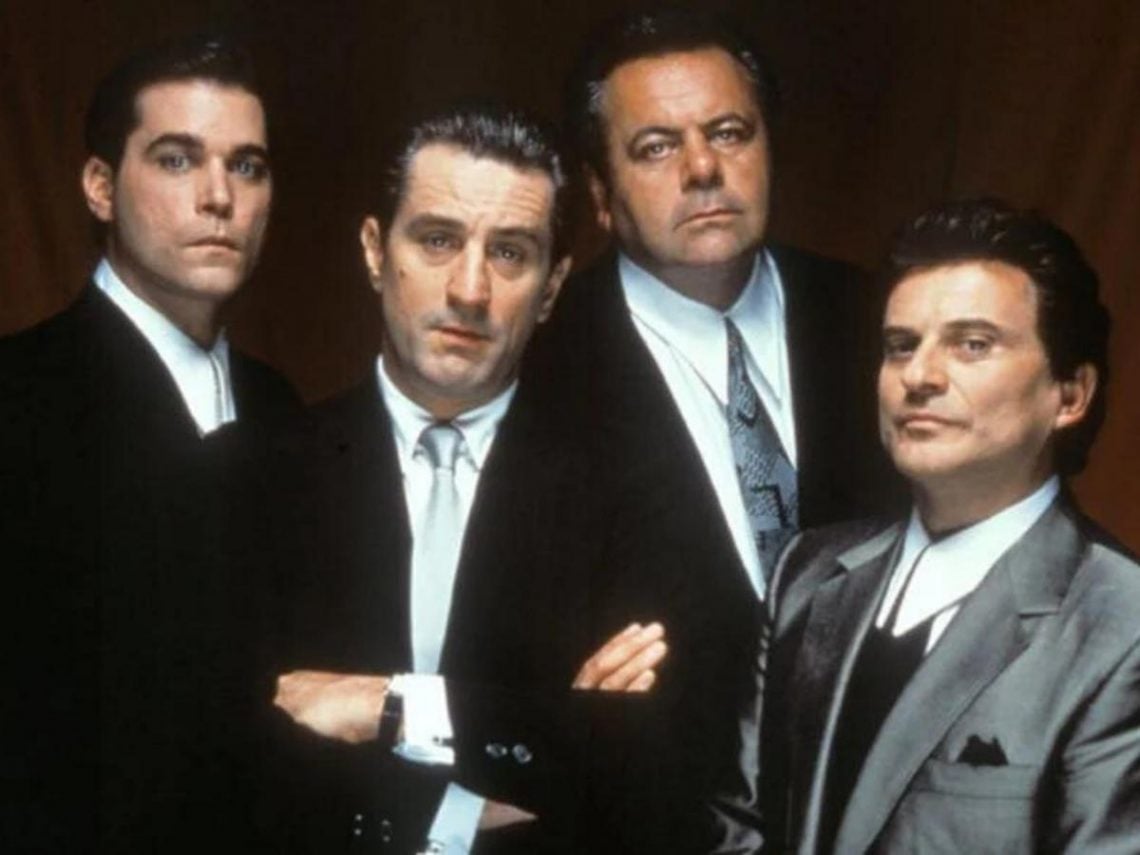
Several cinematic works of the highest quality have been released under the truly iconic name Martin Scorsese, and one of the best came slap bang in the middle of his phenomenal career. Goodfellas arrived in the 1990s and starred the likes of Robert De Niro, Ray Liotta and Joe Pesci.
The film tells the true story of Henry Hill (played by Liotta), who rose to power in the New York organised crime world of the second half of the 20th century. Pesci and De Niro give some of their best performances as two of Hill’s closest associates, who, like Hill, had been based on real-life characters from screenwriter Nicholas Pileggi’s 1985 non-fiction book Wiseguy.
In an interview with GQ, Scorsese explained that Joe Pesci hadn’t initially wanted to be in the film. “I wanted Joe Pesci to be in the film, and I think he resisted it,” the director began. “I know he resisted it. He said, ‘I don’t know, gangster stuff…’ I said, ‘Yeah, but Joe, this character’s really interesting; he’s based on a real guy‘.”
Of course, Pesci agreed to be in the movie, and one of his most memorable scenes comes in a restaurant when his character, Tommy DeVito, pretends to be annoyed at Henry Hill for saying, “You’re funny” in a moment of light-hearted joy. Tommy himself is acting, but Henry and their fellow diners don’t know.
Scorsese went on to explain how he shot the scene, and it all came from a true event that had happened to Pesci. The director noted, “Joe said, ‘Well, if you do it, I gotta tell you something.’ He acted out this scene that had happened to him. I knew exactly where to put it.”
The cast and crew went through the scene “over and over again”, recording each take. Scorsese then “created from the actor’s improvisations and tried to make sure that it accelerated in the right way.” He’d been concerned about Pesci and Liotta merely repeating the same thing over and over again.
Scorsese used two cameras with wide medium shots on a day that wasn’t scheduled for shooting. The director had been keen on not using close-ups because he wanted to always be able to see Tommy and Henry in the shot “in relation to the people around them”.
He noted: “While the intensity builds, you see the body language of everyone around them change, and it just happens. And I said, ‘Well, that’s even better.’ We shot it in like an hour and a half, improvised too, with the bottle breaking on Tony Darrow’s head and that sort of thing.”
