


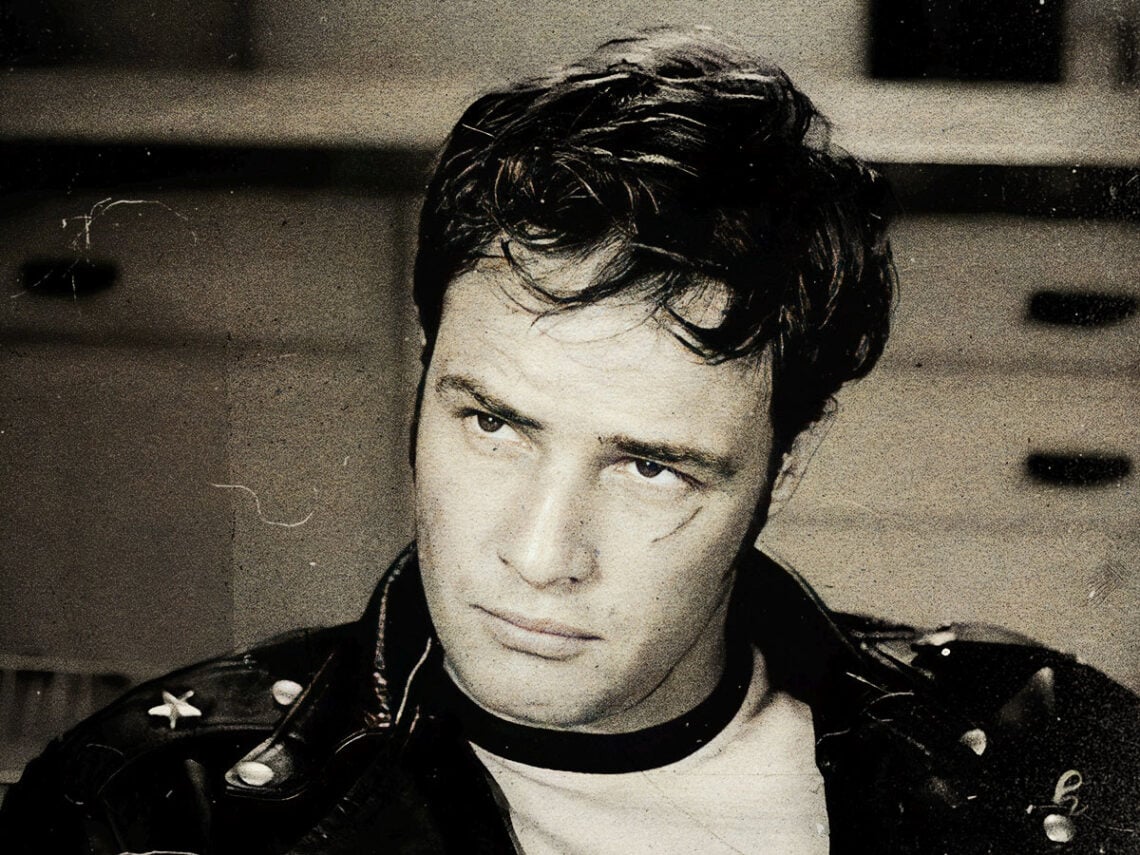
The reason Marlon Brando was embarrassed by one of his most beloved performances: “Lying for a living”

Marlon Brando rose to prominence in the 1950s, swiftly becoming one of Hollywood’s hottest stars. Over the following decades, the actor landed work with highly revered directors, such as Francis Ford Coppola, Elia Kazan, Sidney Lumet and Bernardo Bertolucci. Brando is considered one of the greatest, most iconic actors of all time, with countless coveted awards to his name, such as Oscars, BAFTAs and Golden Globes.
Observed by Time magazine as the “Actor of the Century”, it was in Marlon Brando’s eccentricities and particular conflict between disdain and delight in his acting profession that made him such a monolithic thespian. A career marked with increasingly bizarre behaviour, from tying The Nightcomers co-star Stephanie Beacham to a bed while he went for lunch, to suggesting that his character in Superman should look like a giant green doughnut, these stories simply add to his ever-endearing legacy. Yet despite his prestige, Brando often had a pessimistic outlook on his profession.
In Stevan Riley’s documentary, Listen to Me Marion, Brando’s extensive collection of cassette tapes, which he used as an aural notebook, formed the basis of the film’s source material. These tapes reveal Brando’s innermost thoughts, often revealing his opinions on cinema. “There is no such thing as a great movie,” he once said. “There are no artists. We are businessmen, merchants, and there is no art… Money, money, money. If you think it’s about something else, you’re going to get bruised.”
Brando once explained: “Lying for a living, that’s what acting is. All I’ve done is learned how to be aware of the process. When you’re saying something you don’t mean or refraining from something you really do mean, that’s acting. You lie for peace, you lie for tranquillity. You lie for love. So we all act – just some people get paid for it.”
In Riley’s documentary, it is clear that Brando was an insecure man, tainted by a difficult upbringing with an abusive father and alcoholic mother. “If you’ve never known love, you never know where it is,” Brando argues. “Inferiority: I have been very close to it all my life,” he tells his tape recorder. Marred by a lack of love growing up, Brando had little faith in some of his best work, such as his Oscar-winning performance in On the Waterfront. The 1954 film, directed by Kazan, features the actor in the starring role of Terry, a dockworker and ex-boxer.

The early 1950s was a cinematic landscape in which Marlon Brando proclaimed himself an icon. From his screen inception in the 1950s’ The Men, to On the Waterfront four years later, he would portray a plethora of characters, roles, and historical figures, each one eliciting a particular style and nuanced demeanour.
This is certainly no different in On the Waterfront, Brando’s early masterpiece, in which he plays an ex-prize fighter turned longshoreman whose life falls into turmoil when he begins working for his corrupt union boss. Winning eight Oscars overall, including a best actor award for Brando for his method-acting approach to the leading role, On the Waterfront is an American classic in which crime, romance, and morality perfectly entwine for an emotionally fraught character-led drama.
The actor improvised some of his scenes in the film, which Kazan found deeply impressive. He shared: “What was extraordinary about his performance, I feel, is the contrast of the tough-guy front and the extreme delicacy and gentle cast of his behaviour. […] If there is a better performance by a man in the history of film in America, I don’t know what it is.” Despite the universal praise that Brando’s performance received, he later said, “I was so embarrassed, so disappointed in my performance.”
Similarly, he found doing a screentest for The Godfather “demeaning,” although he managed to get into his performance “little by little”. Brando once argued: “Acting is the expression of a neurotic impulse. It’s a bum’s life. Quitting acting, that’s the sign of maturity.” Brando possessed many conflicting thoughts about acting. Yet, despite his negative statements about his job, something compelled him to continue.
Perhaps it was his realisation that acting can be therapeutic and provide an outlet for emotions that would otherwise remain bottled up. In his autobiography, Brando wrote, “I’ve always thought that one benefit of acting is that it gives actors a chance to express feelings that they are normally unable to vent in real life. Intense emotions buried inside you can come smoking out the back of your head, and I suppose in terms of psychodrama, this can be helpful.”
Furthermore, he has been quoted saying, “I realised, oddly enough, that actors make a contribution to peoples’ lives, giving us a gift that you can’t buy. Something that they can imbue with power and beauty and magnificence; something beyond themselves.”
