


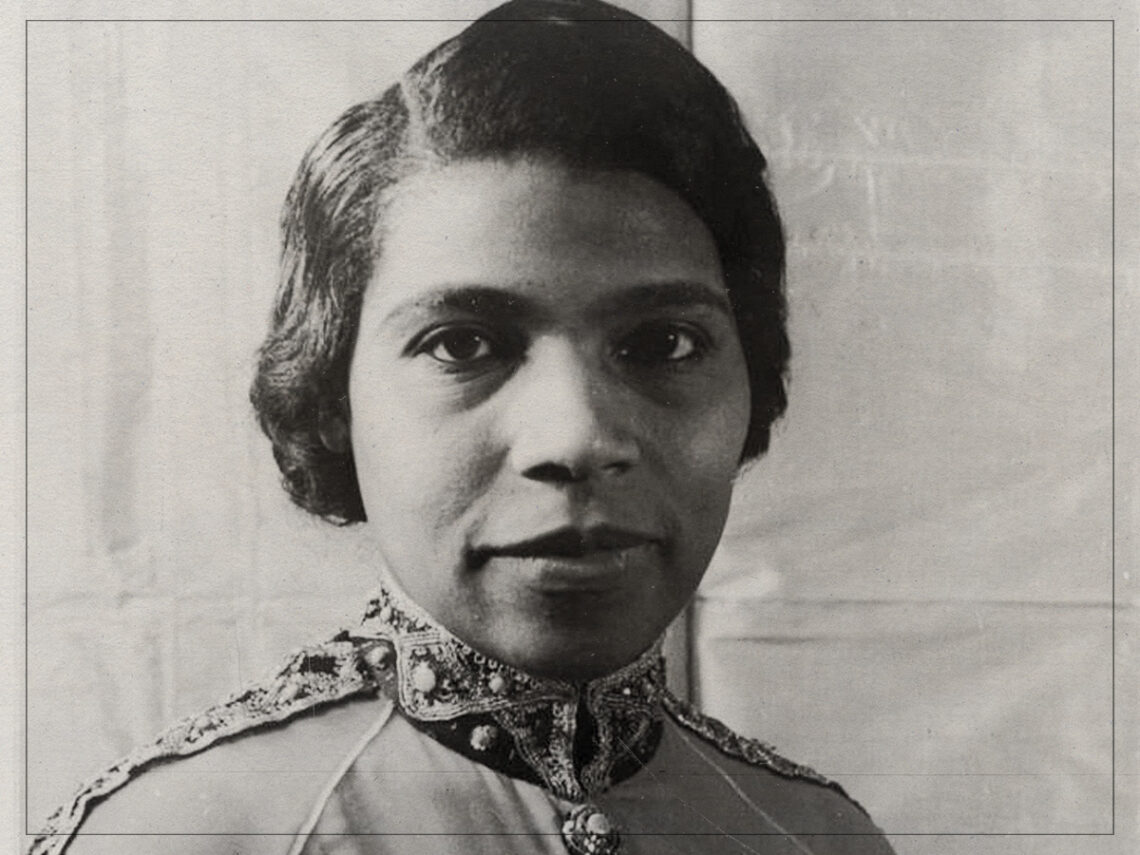
Marian Anderson’s defiant concert on the steps of the Lincoln Memorial

In 1939, the Daughters of the American Revolution denied soul singer Marian Anderson’s request to perform for an integrated audience. She soon found a bigger stage.
She’d been staging a series of concerts for the Howard University School of Music. Their success prompted a need for a larger scope, and they turned to the Constitution Hall. They were rejected on the basis of a “white artists only” clause.
Anderson’s lawyer took to the media, involving the NAACP, which quickly formed a committee in her name. They lobbied for a new location and were made an offer by a predominantly white school, with the stipulation that a black performer would be a one-time occurrence for the space. This time, Anderson declined.
First Lady Eleanor Roosevelt caught wind of the situation and proposed a solution that, when realised, became a definitive moment in Civil Rights history. Anderson made the steps of the Lincoln Memorial in the nation’s capital her stage. Howard advertised the event with a flyer that read, “The D.A.R. would not let her sing in Constitution Hall… The Board of Education made it impossible for her to sing in Central High School… But Under the Auspices of Howard University, Marian Anderson Sings Free in the Open Air to the people of Washington”.
The performance took place on Easter Sunday. The invitation to bring all your friends to the “testimony to a great artist and to a living democracy” was answered, drawing an integrated crowd of more than 75,000 and reaching an audience of millions by radio. This outstanding outreach changed the national tone about the Civil Rights movement. It made it clear that the masses were easily moving towards a more egalitarian world.
The performance itself furthered the idea that society needed to change and move closer to a meritocracy. She opened with ‘America’, a song steeped in the irony of the nation’s false promise. “My country, ’tis of Thee / Sweet land of liberty / Of thee we sing / Land where my fathers died / Land of the pilgrims’ pride / From ev’ry mountainside / Let freedom ring!” Breaking through the irony, her exultant pronouncement of “freedom” chimed with profound purpose.
In seven songs, Anderson wove struggle with grace, standing as an emblem of justice. She reminded her audience of the unfulfilled dreams it alleged, and of the hope that they could still be realised. In the aftermath, talk of change abounded. While the discourse may have been headed in that direction anyway, every movement needs a moment and a symbol, and Anderson singing so gracefully to a massive crowd at such a proud national monument accelerated all discussion and set the course for what would follow.
Sadly, fights for freedom are still as essential as ever, and Anderson’s power, defiance, and heartening humility can most certainly teach lessons.
