


The man who turned down signing Jimi Hendrix and The Beatles

Turning down the opportunity to sign The Beatles is a decision which would haunt anybody until they draw the final breath. Rather than learn from the experience, the person responsible for rejecting the Fab Four repeated the error four years later by saying no to Jimi Hendrix.
In 1962, Decca Records were presented with the opportunity to sign Britain’s biggest cultural export of the decade. It was a chance they carefully considered, thanks to the persuasive techniques of Brian Epstein, and The Beatles even recorded a 15-track demo at the expense of the label. Only three of the songs were Lennon-McCartney originals, and they failed to capture the magnificence of the group.
While The Beatles knew the demo wasn’t reflective of their best work, they were still confident Decca would be keen for their signature. However, the band didn’t realise they were directly competing with Brian Poole and the Tremeloes.
The man responsible for deciding between the two acts was the label’s head of A&R, Dick Rowe. Ahead of the demo recording, he sent fellow A&R Mike Smith to The Cavern Club in Liverpool, and after they passed the initial audition, Decca paid for studio time.
Although Rowe was the head of A&R, he later shifted the blame upon the shoulders of Smith. He said (via Beatles Bible): “I told Mike (Smith) he’d have to decide between them. It was up to him – The Beatles or Brian Poole and the Tremeloes.
“He said, ‘They’re both good, but one’s a local group, the other comes from Liverpool.’ We decided it was better to take the local group. We could work with them more easily and stay closer in touch as they came from Dagenham.”
Although The Tremeloes had a number-one single in 1963 with ‘Do You Love Me’ and a string of Top 40 hits, their legacy is incomparable with The Beatles. However, Decca’s fortunes changed when they signed The Rolling Stones to their roster after a recommendation from George Harrison, and they became the poster boys for the label.
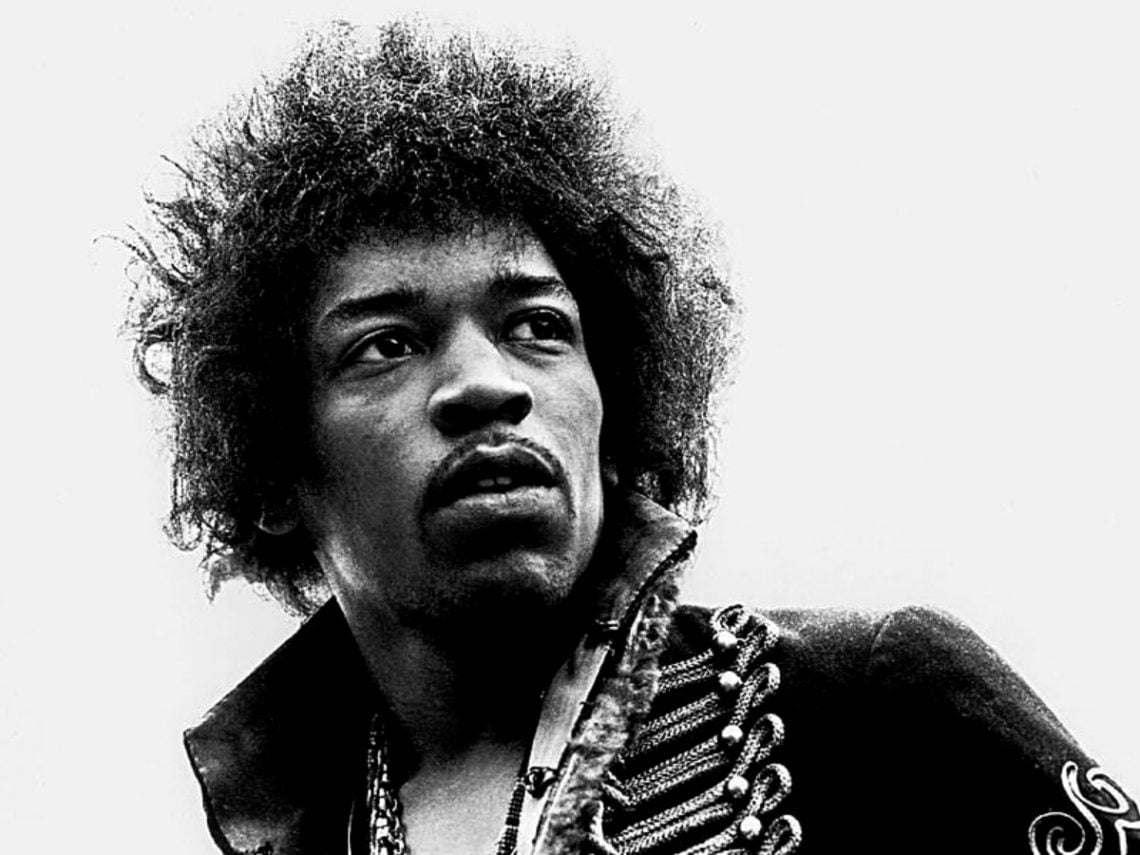
In 1966, Decca had another opportunity to sign a superstar when Jimi Hendrix moved to the United Kingdom from America. Hendrix’s managers, Chas Chandler and Michael Jeffery, funded his debut single, ‘Hey Joe’, but this seminal release wasn’t enough to convince Rowe to give Jimi a chance.
Details about the meeting between Hendrix’s management and Rowe are sparse, with the latter never publically addressing the faux pas. However, it’s alleged he believed the musician’s output wouldn’t have longevity, which couldn’t be further from the truth.
Shortly after the rejection by Decca, Hendrix started to perform regularly in London and stormed the capital. Soon enough, the American was the name on the lips of everybody from Paul McCartney to Roger Waters, and Track Records signed him. Ultimately, talents like The Beatles and Jimi Hendrix will always find a way to rise to the top. Rowe’s rejections should be a lesson to young artists not to be perturbed by similar knockbacks.

Never Miss A Beat
The Far Out Beatles Newsletter
All the latest stories about The Beatles from the independent voice of culture.
Straight to your inbox.