


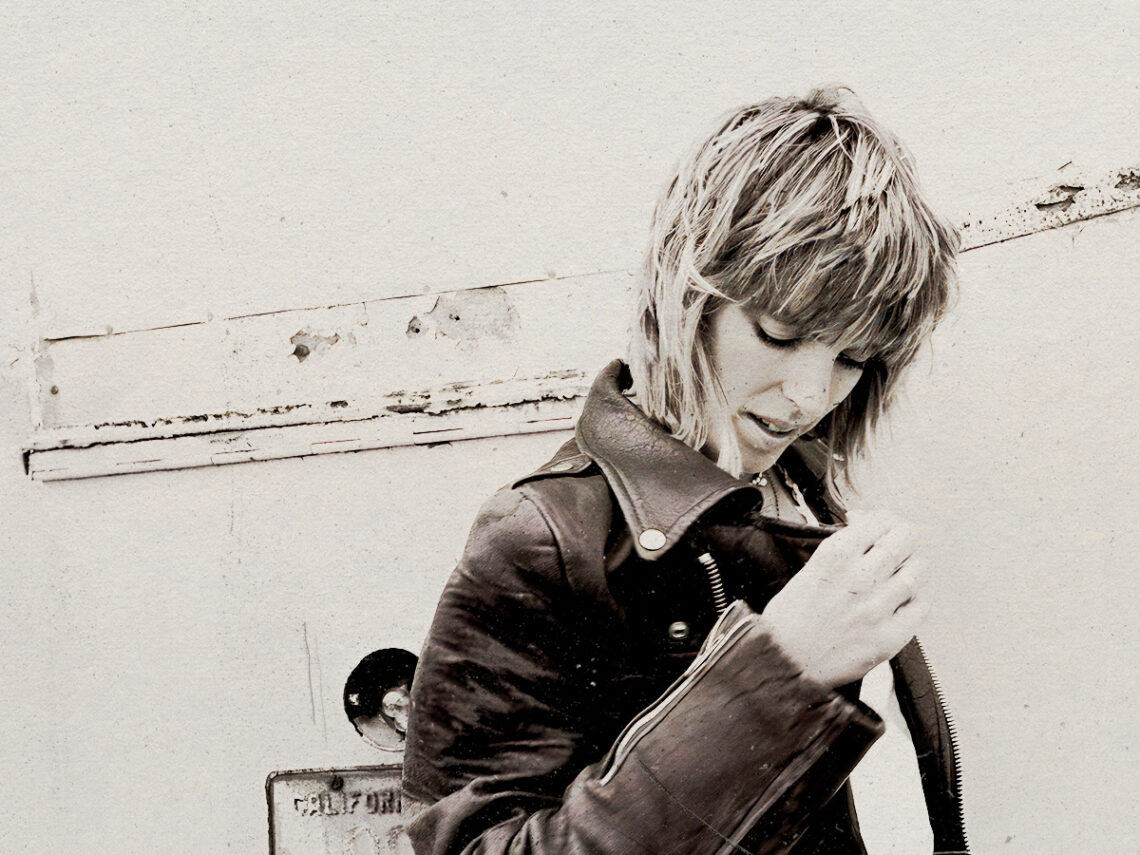
Lucinda Williams names the greatest Bob Dylan song: “He’s so damn good at that”

Bob Dylan once won a Nobel Prize for his poeticism. That isn’t a surprise, nor is it news, but somehow repeating the fact makes some of his musings easier to reckon with. Some say lyricism isn’t always intended to be understood, and Dylan held this at his very core, rambling off various trains of thought that often only made sense to him and only him.
At his most complex, Dylan still manages to spark intrigue, even if the path he is about to embark on is unclear. In ‘Buckets of Rain’, for instance, the singer delivers the interesting rhyming couplet: “Little red wagon / Little red bike / I ain’t no monkey / But I know what I like.” We know that the song delves into the various sides of love affairs, but his words appear abstract in a way that still resonates.
At his most human, Dylan taps into the everyday emotions that make us who we are, from romantic and optimistic to jealous and cynical. Although many of his songs likely gravitate more towards the latter, there always exists a fine thread of reconciliation that pushes such pessimism into the limelight in the first place – after all, Dylan would have nothing to sing about if he knew satisfaction and nothing else.
For Lucinda Williams, these are the songs that brought him to the forefront of the movement, allowing him to stand out above the rest. According to the singer, when Dylan sings about things that appear simple in practice but complicated when written down, this is where his talent truly shines. Perhaps this is why Williams once deemed ‘Positively 4th Street’ as his greatest song ever.
The first thing that drew her to the song was the theme: “jealousy over artistic success”. It might be because Williams witnessed it happen first-hand in the industry, knowing the frustrations that can happen when people suddenly want to be close to you due to your successes. As a result, the line from the song that Williams resonates with in particular is: “You see me on the street, you always act surprised / You say, ‘How are you? Good luck!’ But you don’t mean it.”
Although there’s an overtly bitter tone to the song, this is what makes it so satisfying for Williams, who says that its power lies in the final line: “I wish that for just one time, you could stand inside my shoes/You’d know what a drag it is to see you,” Dylan sings.
“It feels so good to sing it,” Williams told Rolling Stone. “I’ve heard that he wrote the song when he started getting famous and he was still living in the Village.”
Tackling complex subject matter may come more naturally to some, but Dylan, as ever, is unafraid to expose the ugliness that lies in the darker corners of the industry. As Williams explained: “Nobody wants to admit that that stuff goes on, and of course, nobody knows what it’s like to be Bob Dylan. There’s only one of him. He’s so damn good at that.”

Never Miss A Tale
The Far Out Bob Dylan Newsletter
All the latest stories about Bob Dylan from the independent voice of culture.
Straight to your inbox.