


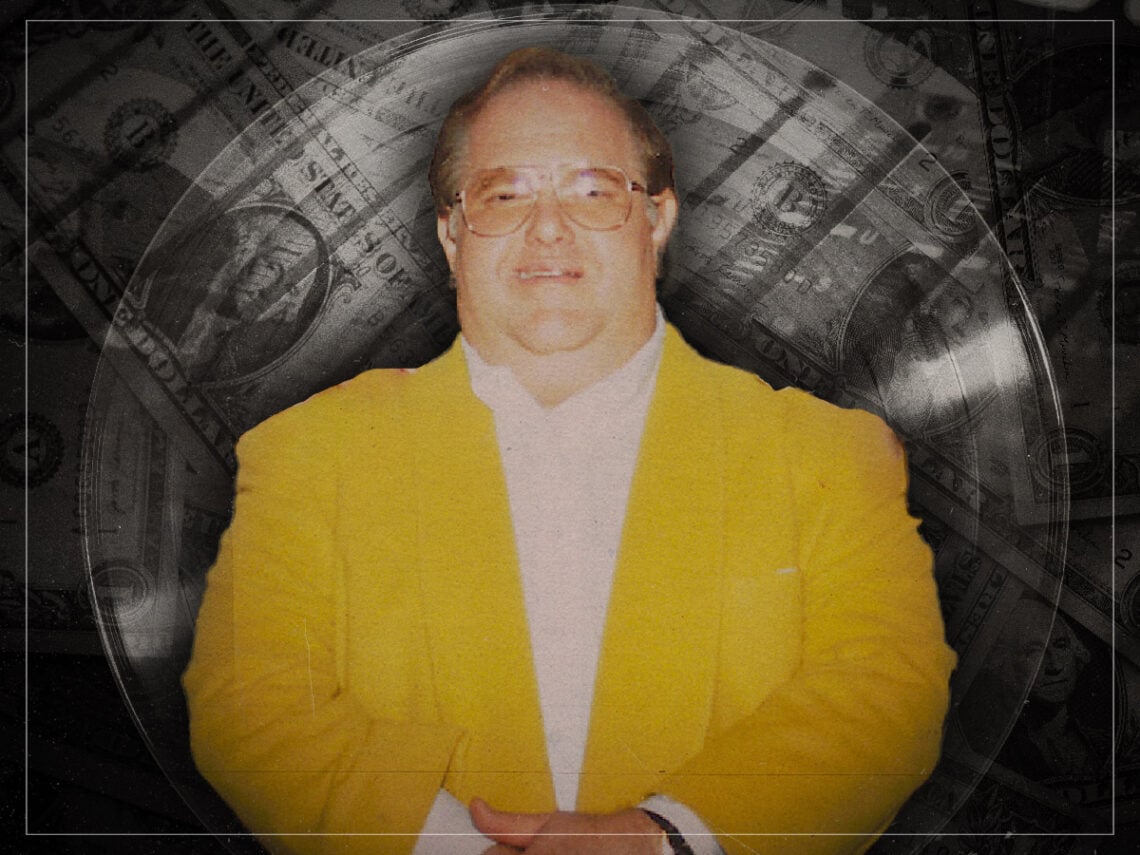
Lou Pearlman: the Ponzi scheme bastard whose $1billion fraud was the least egregious way he destroyed modern music

Pop music has once again found itself at a critical crossroads in its fight to maintain its integrity.
With AI-generated content now sneaking its way into our algorithmically curated playlists, rich kids getting a leg up from their well-connected parents, and major figures and corporations seemingly not giving a fuck about the moral repercussions of their actions, the future of the music industry has never looked more precarious – at the risk of sounding clichéd, we’re living in unprecedented times.
The thing is, that sentiment isn’t new. The times have been unprecedented for decades at this point, and the cycle of seeing industry bigwigs doing nefarious things and seemingly finding themselves in an ideological war against the very individuals whose creative energy feeds their families has been rolling on since the notion of a ‘music industry’ came into existence. If any venture appears to have a lucrative angle, you can bet there will be someone there ready to exploit it – that’s capitalism, baby.
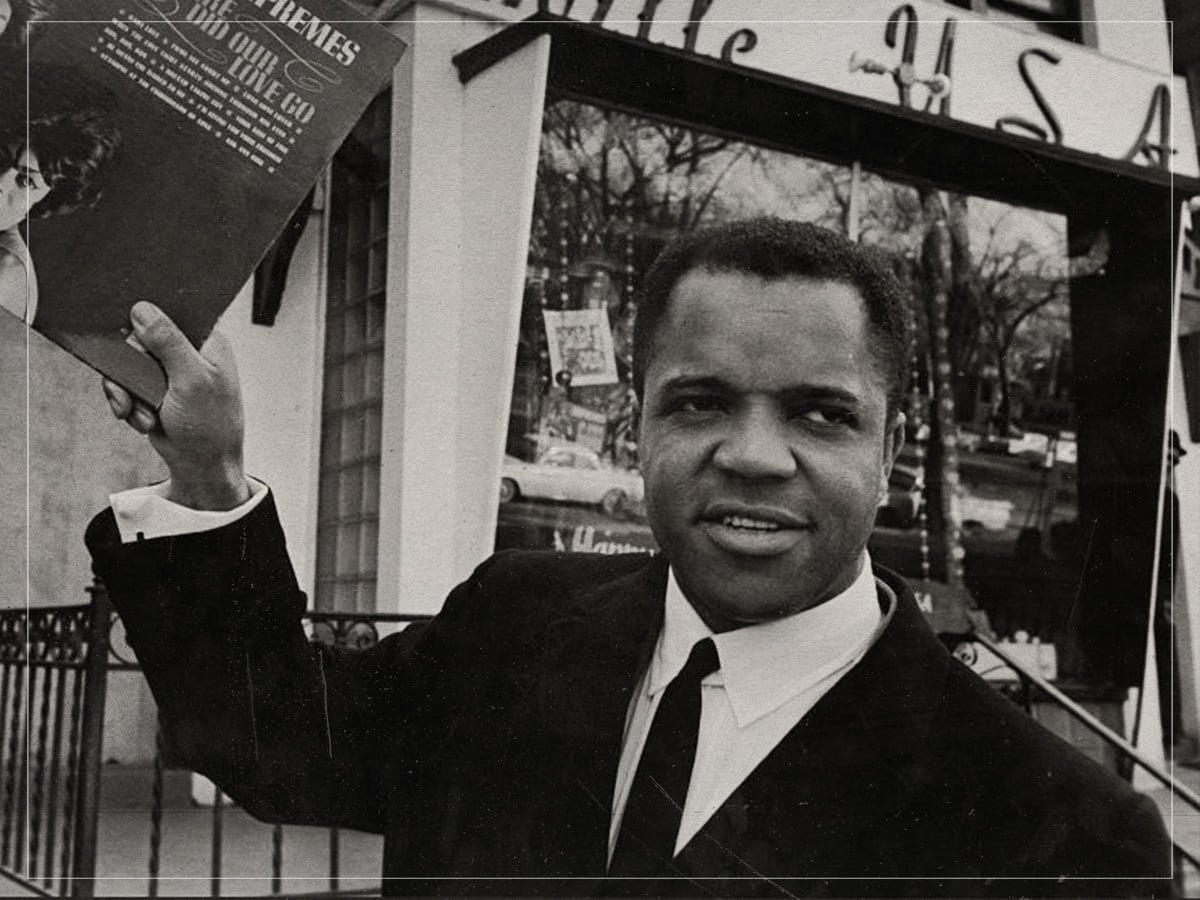
We’re sometimes unwittingly led to praise the entrepreneurial adroitness of some of the people who make it to the top in the industry, with the likes of Berry Gordy being hailed as a true mastermind for his hand in the formation of Motown. Gordy is an early example of someone who saw an opportunity in the commercial side of music, seized it, and made an absolute killing as a result. Some minor controversies aside, you can’t help but applaud his contribution to the success of the artists signed to his label.
However, these individuals have only become more dastardly as time has moved on, and while the idea of artificially manufacturing groups that fit a certain zeitgeisty image for capital gain is nothing new (see: any Phil Spector girl group, the Monkees or the Sex Pistols), the rapid influx of homogenous boy bands and girl groups that seemed interchangeable with one another in the 1990s was arguably one of the most sinister turning points.
You can argue all you want about how much the Backstreet Boys and NSYNC captured the essence of the decade or how they were a revolutionary spin on an age-old concept, but that’s because they were engineered to do this by a cash-hungry weasel named Lou Pearlman; a man who seemingly had the music industry under his thumb, yet whose interests stretched no further than himself and his fortune.
By tapping into what others before him had done, he snaked his way to the top by creating bands as franchises, noticing that there was a gap in the market for a certain style, image and cultural appeal, and effectively contributing to its oversaturation. This, in itself, feels like a particularly insidious way to approach the music business, but the way he did this was through numerous multi-layered schemes that revolved around deceit, confidence tricks and milking his associates for all they were worth.
Prior to entering the world of music, Pearlman had been involved in the aerospace industry, although his ties to it were merely a front for a suspected ‘pump and dump’ scam, with the trading practices of his operation as the founder of Airship Enterprises Ltd seeming fraudulent to say the least. However, the $3million that he managed to extort from this scheme pales in comparison to the amount that he scarpered with from his treacherous venture into the boy band sphere.
Pearlman may not have known diddly-squat about music, but he knew just how popular acts like New Kids on the Block had managed to become at the start of the 1990s when his old business had mysteriously collapsed. However, rather than doing a background check on the malpractices that he had previously been guilty of, he managed to saunter his way into a position where he could form Trans Continental Records and establish the Backstreet Boys following a talent search that curiously cost him $3million.
Of course, the runaway success of these five previously unknown singers and dancers helped him rake in a grossly-sized profit and turned the group into a global phenomenon. He subsequently used the funds he’d acquired to form NSYNC, the act that launched the career of a certain Justin Timberlake, and repeated the process with the exact same result. People thought Pearlman was a genius. People, unsurprisingly, had had the wool pulled over their eyes.
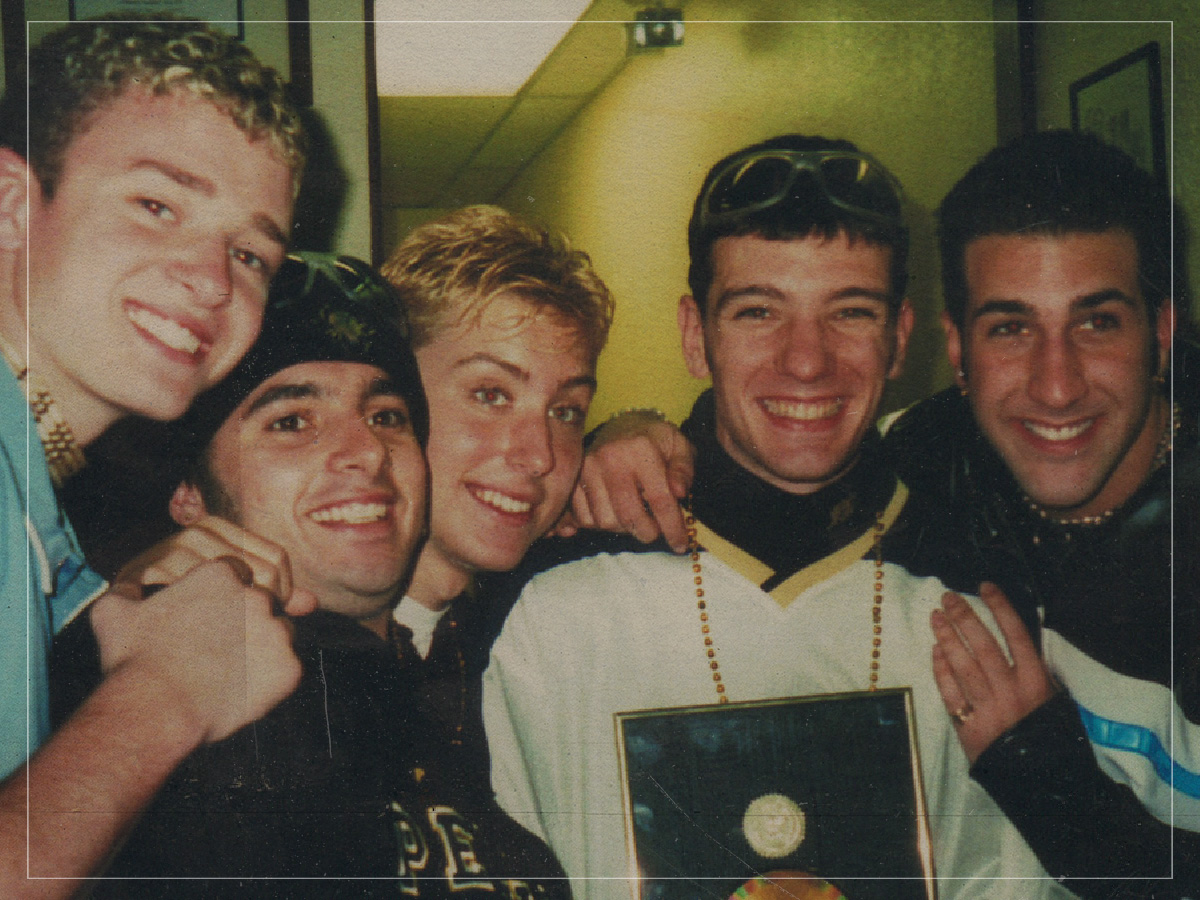
When his musical acts began filing lawsuits against him over what they saw as being unfair contracts that earned him an equal portion of the money that every member was receiving, alarm bells began to ring regarding how he had been financing his businesses the entire time.
As the boy band craze began to dwindle, his web of lies began to unravel more, with it transpiring in 2006 that the Trans Continental Savings Program, the parent company of the similarly-named record label and multiple other non-existent business fronts, had been operating one of America’s largest ever Ponzi schemes, obtaining investments from companies in excess of $1billion and failing to return on any of them.
Pearlman had defrauded virtually every associate he’d ever connected with, and his comeuppance came in the form of all of his businesses being put into involuntary liquidation alongside a 25 year prison sentence. His actions are, of course, no longer perceived as bold business acumen, but treated for what they are; utterly reprehensible acts of money laundering, conspiracy and exploitation, but what does that say about how his actions have affected the modern music industry?
This kind of practice is easy to fall into when you’re driven by money, and instead of using Pearlman’s case as a cautionary tale of how greed can completely destroy careers, people have instead focused more on his approach to removing all control from the artists and treating them as disposable vessels of creativity that are only good for profiteering.
We’re seeing this vicious cycle happen more and more, with the industry continuing to spew out identikit acts with no personality who are only able to succeed until they realise they’re being taken advantage of. It’s even possible to produce faceless artists these days, given technological advances that have enabled AI spam to generate massive revenue, and this is simply another instance of capitalism driving the industry to make more decisions in bad faith that will ultimately cripple the artistic value of what earns them a living.
It would appear that one of the industry’s greatest ever frauds has only created more monsters who need to be ousted and removed from any positions of control before the industry implodes on itself. There are honest folk out there who genuinely care about the industry, but if we’re going to happily lap up the mass-produced slurry like the little piglets we are, then don’t be surprised when you’re ushered into the abattoir and left unable to escape its deathly jaws.
