


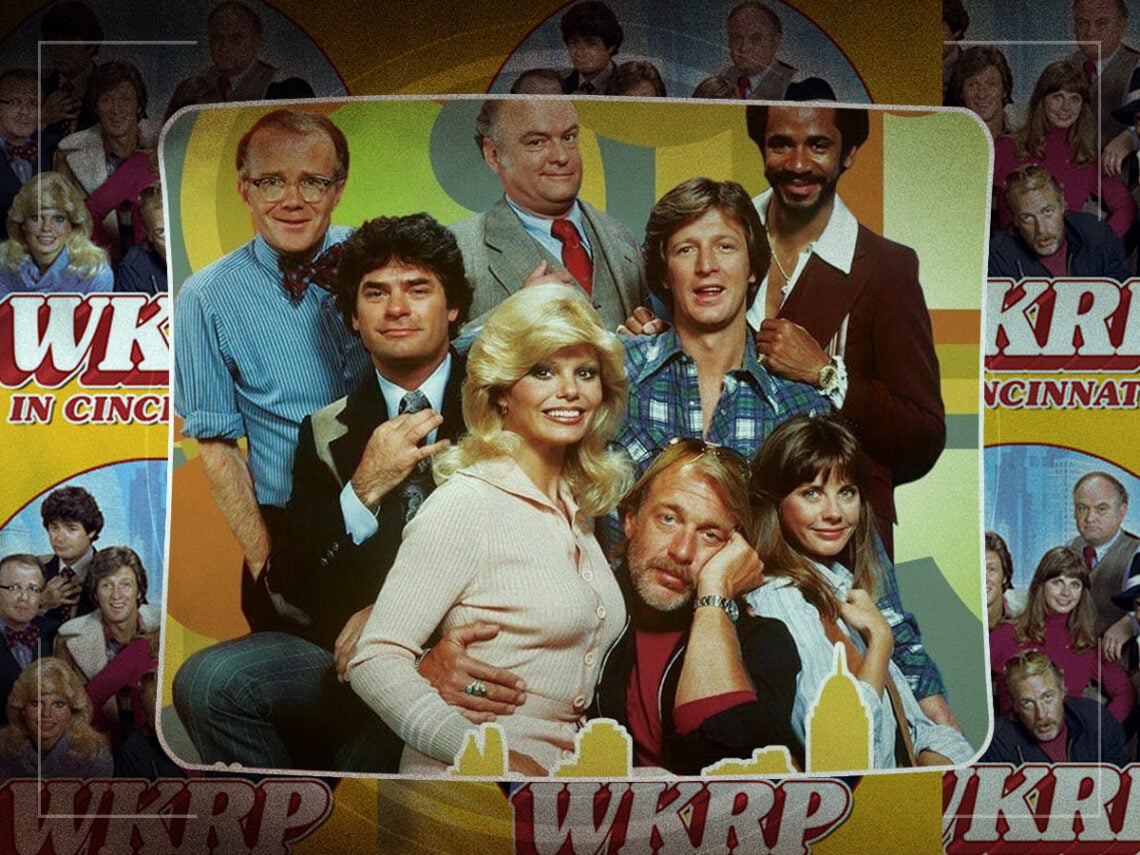
Loni Anderson, 1970s sitcom misogyny, and breaking down stereotypes: “Let’s make her the smartest person in the room”

By the 1960s, it was normal for American households to have televisions, allowing for the development of the sitcom over the decade – a new and accessible form of entertainment that could be consumed by the whole family each night.
The genre often acts as a great time capsule, however, and you can find many stereotypes littered among the rubble of acclaimed (and not so acclaimed) sitcoms of the 1960s and 1970s. Even with the advent of the second wave feminist movement of the era, women were still portrayed questionably in many popular shows.
Look at Suzanne Somers in Three’s Company, which aired between 1977 and 1984. Playing Christmas ‘Chrissy’ Snow over five seasons, the actor was relegated to a stereotypical dumb blonde archetype, with her appearance as a big-chested blonde seemingly suggesting that women who looked like this couldn’t possibly be anything more than sex symbols for male satisfaction.
This was a common feature of sitcoms of the era, so when Loni Anderson was approached for similar reasons to be a star of the show WKRP in Cincinnati, she was initially hesitant to take on a part that would merely objectify her. The actor, who passed away on August 3rd, two days shy of her 80th birthday, doesn’t get enough credit for her decision to challenge stereotypes, something that she experienced in her own life, too.
Anderson is often referred to as Burt Reynolds’ ex-wife, with people seeing her as nothing more than his blonde trophy wife, but her decision to stand up against producers was a pivotal moment for American television.
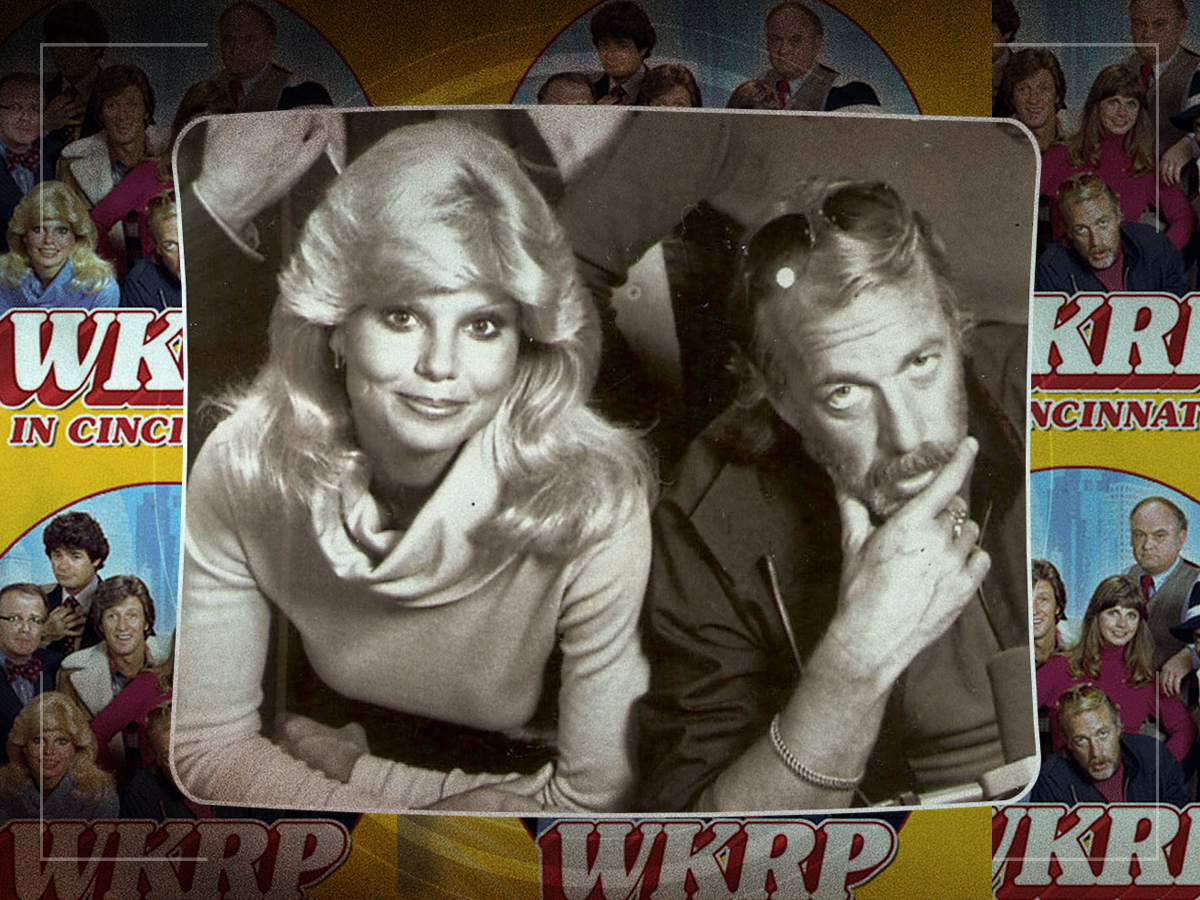
Anderson’s career didn’t exactly get off to a flying start, and she only appeared in minor roles on the big and small screen until breaking through with her role as Jennifer Marlowe on WKRP in Cincinnati. After failing to secure the role of Chrissy on Three’s Company – evidently a blessing in disguise – she instead found herself offered another blonde bombshell-esque role, with producers reportedly approaching her due to her resemblance to sex symbols like Jayne Mansfield.
Knowing that she was being considered for her looks before anything else, Anderson initially turned down the role of the receptionist at the titular radio station. Talking to Studio 10, the actor once explained, “I liked the show, but I didn’t like the role, and so I refused.”
At a time when women weren’t expected to fight back against those in charge, Anderson told the producers, “I don’t want to play this role because I think [the character] is just a ‘Here are your messages,’ window-dressing.”
When asked how she’d play the part, her refusal to let the character of Jennifer be nothing more than a sex symbol to keep viewers entertained allowed her to bag the role. “I went in and met with Hugh Wilson, who said, ‘Let’s make her look like Lana Turner and be the smartest person in the room.’”
Anderson was keen to show audiences that a woman can look like a Hollywood bombshell and be just as smart as a man dressed in a suit; looks mean nothing. It seems absurd that she had to prove this as recently as the late 1970s, but the industry – and society – has always championed sexist stereotypes that assign different hair colours and body shapes different levels of intellect.
With her role as Jennifer, Anderson earned several nominations from prestigious institutions like the Golden Globes, but in the following years, she became better known as Reynolds’ wife. However, important to remember that Anderson played an active part in combating misogyny on screen, even taking a stand against not getting paid a fair wage for her vital role in the series.
