


Lithuania is turning abandoned spaces into cultural hubs, should we follow suit?

Once you notice one, you start spotting them everywhere. Derelict buildings, by their very nature, don’t attract much attention. When walking, my eye tends to rest on places teeming with life: venues with pulsing neon lights, restaurants packed with expectant diners and pubs spilling over with thick-necked beer drinkers. I frequently ignore the countless disused buildings between these places, either by choice or sheer lack of attention.
Thousands of boarded-up buildings and abandoned spaces all over the UK serve no purpose other than to haunt passers-by. Though now nameless, these spectres were once beloved nightclubs, busy factories and, occasionally, popular seaside attractions. Living amidst so many unloved places only heightens the prevailing sense that cultural and industrial innovation is a thing of the past. Abandoned spaces are, after all, a reminder of what once was.
But before things get too doom and gloom, there is another way. Instead of leaving derelict spaces to crumble into dust, we could give them a new lease of life. Lithuania provides a good example of how to do so. Faced with regulatory limitations and discussions over sustainability, several derelict buildings across the country are now being transformed into lively cultural hubs. Empty train stations, old cafes and even a prison have been repurposed to provide the local community with spaces to meet, exchange ideas and enjoy themselves.
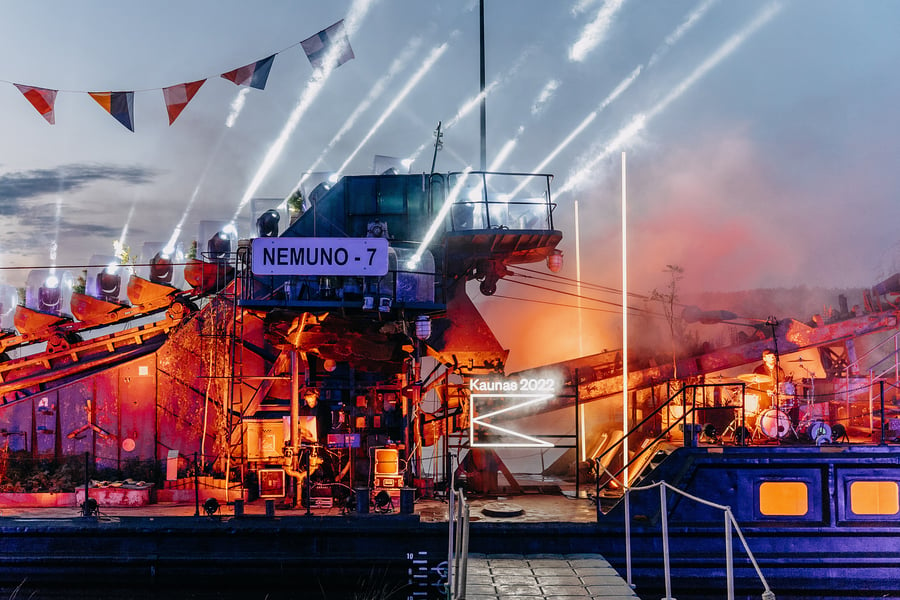
One of the most impressive examples is Nemuno7, located in the town of Zapyškis near Kaunas. This particular venue was once a functioning dredger to deepen the Nemunas River’s riverbed. Unused and abandoned, the environmentally harmful ship was adapted and transformed into a space that currently hosts ecologically-minded interdisciplinary events and performances inspired by the river that churns beneath it.
Then there’s Lukiškės Prison in the Lithuanian capital of Vilnius. Constructed in 1905, the original building has cells for 421 inmates, many of whom stayed for just a short time before being sent to the gallows or deported to remote labour camps. The prison was the site of Lithuania’s last execution in 1995. It remained open until 2019, ten years after the European Committee for the Prevention of Torture reported several allegations from prisoners concerning violence inflicted by guards.
The transformation of this expansive complex into an arts and music venue reminds us that, as well as giving new life to previously beloved institutions, adaptive reuse can also heal past traumas. Buildings are like sponges: they soak up the experiences and memories of those who once inhabited them. These things don’t simply disappear when a building is left to fall apart. They leak out into the community. If a space with a history of incarceration, execution and abuse is left to disintegrate, that pain will continue to impact local people. However, give a space new life, and its history will quickly be absorbed by something new.
But the benefits of adaptive reuse aren’t all so abstract. As well as offering a place to drink and mingle, cultural hubs create jobs and facilitate collaborations between businesses and young creatives. If put to use effectively (with a focus on deprived areas), this would create a reliable source of revenue and give local people a better quality of life. As Preston Benson said of his organisation’s plans to return a derelict nightclub in Sutton to its former glory, repurposed sites, “bring local businesses, jobs, and lifestyle opportunities to the area, offering a place for the community to enjoy live performances, art classes, and much more”.
In the UK, we seem to have forgotten that there is a difference between life and good life. Arts venues are essential purveyors of public joy. Yet, all over the country, cultural spaces are shutting up shop at a hitherto unseen rate, their owners now simply unable to keep up with rents and licensing.
Renovated spaces are 16% cheaper on average, often don’t face the same pressure from developers, and are less likely to receive noise complaints. These same factors make them ideal settings for fledgling businesses, which, though initially unstable, always herald the potential of market innovation. Without a real shake-up in how we utilise abandoned spaces, our cities could become very difficult places to live. I wonder if it’s about time we learned to live with our ghosts.
