


‘Life of Pi’ turns 10: A tribute to neglected VFX artists

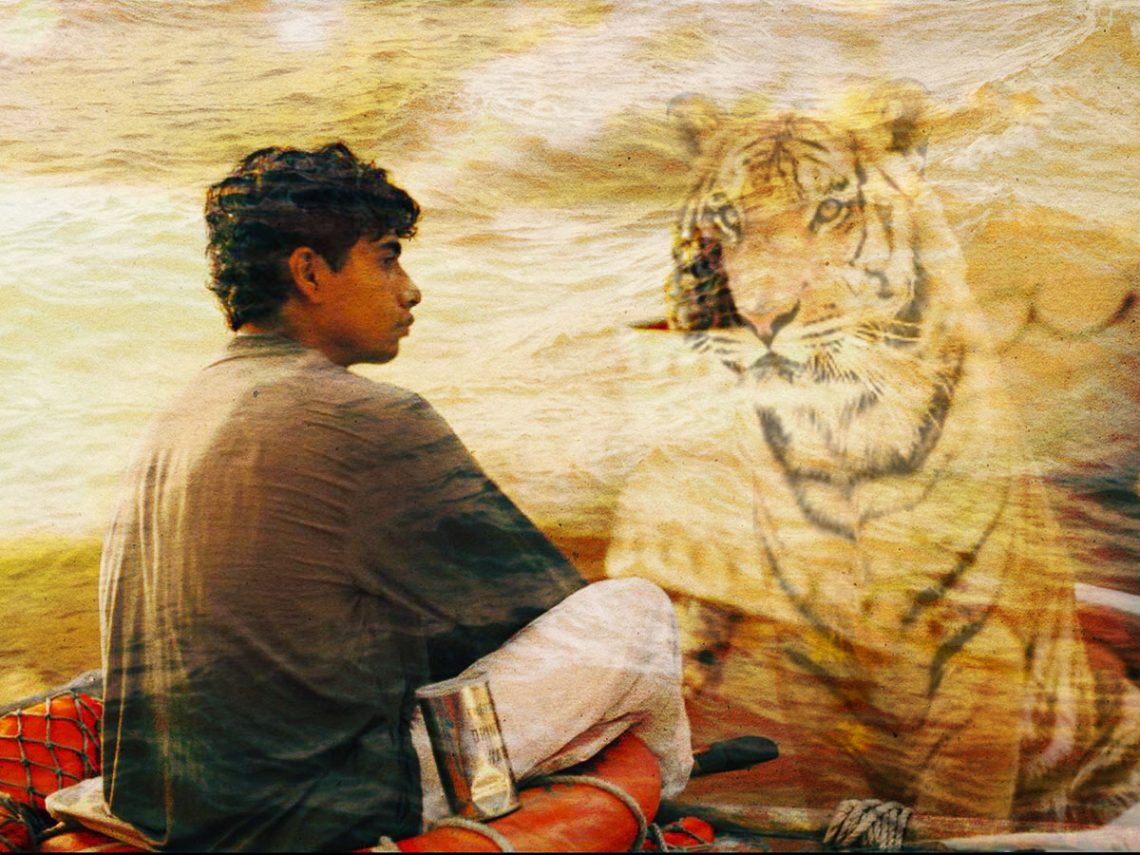
Director Ang Lee’s Academy Award-winning adventure-drama Life of Pi, a visually exhilarating adaptation of Yann Martel’s novel of the same name, graced the screens of audiences in November 2012. It stars Suraj Sharma as a 16-year-old Indian boy named Pi Patel, who is one of two survivors of a shipwreck. The second survivor is Richard Parker, a Bengali tiger with a ferocious nature. Lee’s film follows their 227 days stranded in the Pacific Ocean.
Life of Pi premiered as the opening film of the 50th New York Film Festival on September 28th, 2012 – but an international release wouldn’t come until months later as the anticipation continued to swirl. The film saw immense critical and commercial success, grossing over $609 million at the box office. Life of Pi also received 14 nominations across Award ceremonies; these included three Golden Globe Awards, with the prestigious Best Picture – Drama and Best Director at the top of the pile. However, it was the 85th Academy Awards where Life of Pi received the most spotlight, gathering 11 nominations, including Best Picture and Best Adapted Screenplay. It then went on to win four of these categories, including Best Director for Ang Lee.
Life of Pi relies on generating wonder and disbelief, mostly through the stunning visuals that duly received their fair share of praise from critics – but was it enough? A mesmerising hail of flying fish and a fluorescent whale were some of the stunning effects on display, skills that changed the course of contemporary cinema as we know it today. A majority of the film’s visuals were created by Bill Westenhofer and his team, Rhythm & Hues, who built the work from scratch. “Impeccable” is how Ang Lee described R&H’s work, and it is hard to disagree. “One of the central themes of Life Of Pi is asking the audience to question what they believe is real and not real,” Westenhofer later commented during an award acceptance speech. He added that the “job in visual effects” was “to ask audiences to believe the tiger they had created digitally was real”. Westenhofer then looked to the trophy in his hand and added: “If we’re holding this, I guess we did OK.”
Rhythm & Hues found itself immersed in praise and applause from the British Academy; however, in a shocking turn of events, the company filed for bankruptcy protection the very next day. A leading member of the visual effects community, who wanted to remain anonymous, responded to the shocking news: “Everyone was in awe of what they achieved. It is a sad day when such a respected company faces issues like this. Many will be thinking: ‘There but for the grace of God’”.
So how exactly did this happen? It was soon reported that Rhythm & Hues’ workforce of 1,400 people came across many obstacles and difficulties after projects were frequently cancelled. Furthermore, its competitive pitching rates and a decision to move into co-production are also cited as a reason the company were financially worn out. Taking all this into account, one source summarised the situation: “It was not one single event but a culmination of many that brought them to this point,” they said. If this wasn’t enough, the company’s rival, Prime Focus, then one-upped Rhythmic & Hues through a deal and staff were soon laid off. The president of the company’s film division, Lee Berger, said R&H was “seeking to secure financing for future growth” so it could “come out of this situation stronger”.
The hard-working artists were also mistreated during Award season – by both the Academy and the filmmakers themselves. First of all, Westenhofer’s Oscar speech was actually cut off by an event organiser, causing the big moment to come off as somewhat bizarre. The artist ignored his sound cue of the Jaws theme to wrap his speech up and instead carried on. “I want to thank all the artists who worked on this film for over a year, including Rhythm and Hues,” he shared. “Sadly, Rhythm and Hues are suffering severe financial difficulties right now. I urge you all to remember”. The organisers then cut his mic. To add fuel to the flame, director Lee then failed to mention the special effects team in his own acceptance speech for the Best Director Award. Lee was criticised online for his ‘neglect’ towards those who worked so hard to help him with his project, including a protest led by visual effects artist Bruce Banit. The artist posted a public statement on Facebook, where he voiced his concern for effects artists being ignored despite their vital contributions.
The post reads: “Neither Ang nor his winning cinematographer, Claudio Miranda felt they needed to thank or even mention the VFX artists who made the sky, the ocean, the ship, the island, the meerkats and oh yeah … the tiger. Ang thanked the crew, the actors, his agent, his lawyer and the entire country of Taiwan, and the team that built the wave pool on the soundstage where Pi was shot. But failed to mention 100s of artists who made not only the main character of the tiger but replaced that pool, making it look like a real ocean for 80% of his movie.”
This example of VFX artists’ mistreatment is the tip of the iceberg. Several special effects artists across the film industry feel unseen and unappreciated, despite putting in countless hours of hard work to create a film’s spectacle value.
Life of Pi is still – it goes without saying – an incredible viewing experience where visuals shine as the central focus of storytelling, something cinema was designed to do. Therefore, the film shows an appreciation of cinema as an art form and offers something to those who appreciate this art. Life of Pi also offers insightful values coded within its story; the message of God’s influence and religion sparked discussions of faith upon release. Even ten years on, those very dialogues are still fresh and intriguing, showing the film’s timelessness. It’s a fantastic visual spectacle, one that will mesmerise audiences every time they watch – but at what cost?
