


‘Letter’: exploring Sergei Loznitsa’s Impressionism

The modern landscape of documentary filmmaking is extremely diverse, with directors using hybrid frameworks to cover some of the most important issues around the world. For a long time now, Ukrainian auteur Sergei Loznitsa has consistently been one of the most interesting artists working within that domain. Known for his unique approach to both documentaries as well as feature films, Loznitsa has developed a truly fascinating body of work.
Although he studied mathematics during his university years and worked in cybernetics for a while, Loznitsa eventually moved toward filmmaking. Generating new artistic perspectives through incredible experiments with archival footage, Loznitsa has made vital contributions to the current discourse around the philosophical foundations of documentary cinema. That’s exactly why he should definitely be considered to be among the pioneers of the modern documentary form.
During a conversation with Contemporary Lynx, Loznitsa said: “Festivals were the only opportunity to watch documentary films during the ’90s. Some films were shown on TV, but on a very small scale. Now we have many different opportunities – TV, streaming services, websites, depending on what you like. It’s different though, because you watch films alone. You don’t feel the way the audience is receiving the film. I’m a little afraid of that, because I always make films for big screens with a good 5.1 sound, and I like to feel the emotions of the viewers.”
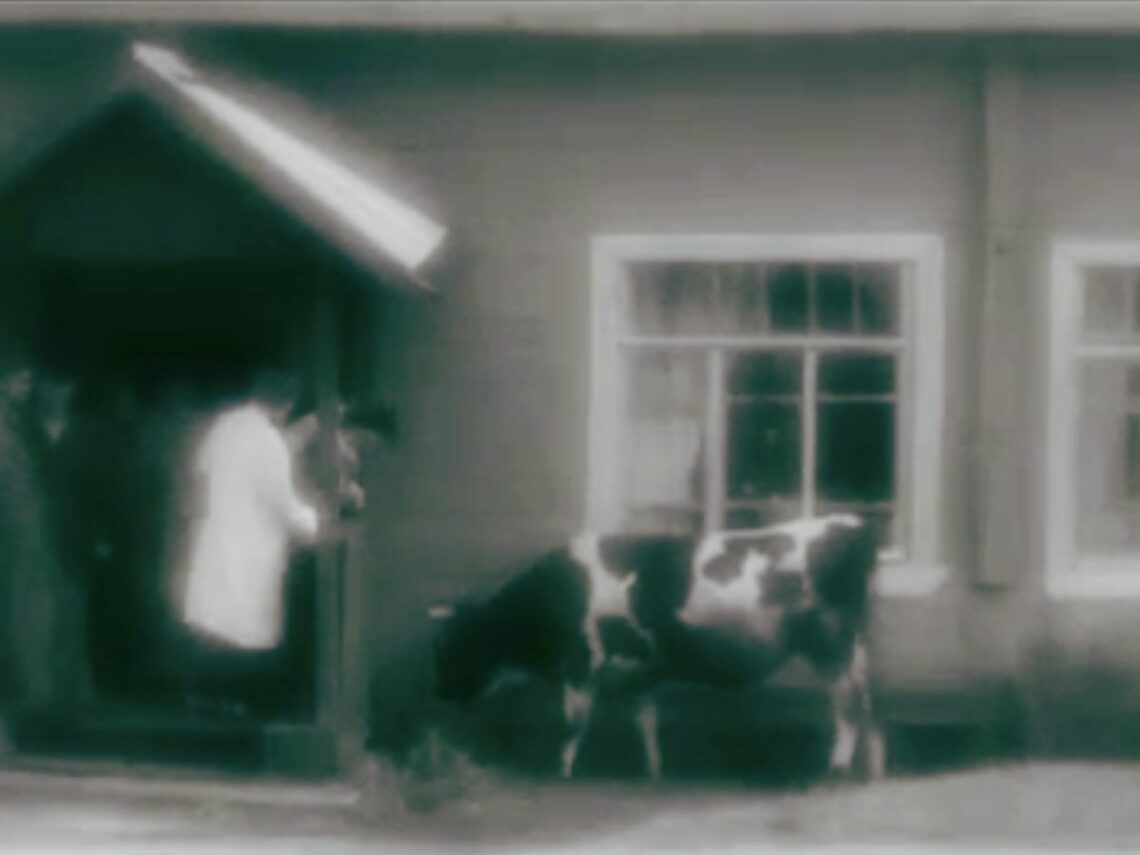
However, it is through streaming services that new audiences are discovering Loznitsa’s brilliance. One of the avant-garde works that perfectly demonstrates the Ukrainian filmmaker’s strange style is a 2013 project called Letter. Existing somewhere between the realm of documentary footage and an artistic portrait, it presents images of an isolated Russian village that appears to be completely cut off from modernity’s infinite concerns.
In the same interview, Loznitsa explained how he approaches the balance between fact and fiction: “Documentaries are always limited by the ethics of what you can show and what you cannot. You need to be careful about it. That is basically the main difference. The rest of the filmmaking process, meaning the way you organise and produce the material, is always dictated by the main idea of the film, which makes all the film types similar. It all becomes fiction from that point of view.”
Using a special camera that contributes to the impressionistic vision of the film, the subjects of Letter are always in a state of blurriness, almost as if they are too obscure to even be processed properly by modern audiences. Mimicking the aesthetic principles of early 20th-century cinema, Loznitsa’s portrait of the village makes it seem like we are witnessing a place that has been permanently severed from the relentless march of time.
Watch the film below.
