


Leonard Cohen’s 10 best opening lines

For an artist like Leonard Cohen, no stone was left unturned. As a writer who edited and re-edited until each and every word was impeccable, his opening lines were sure to be polished till perfection.
Cohen didn’t write like your typical songwriter. Undeniably informed by his prior dream to simply be a poet or a novelist, his songs were meticulously crafted and then worked on until his high level of perfectionism was soothed. He would sometimes edit a single song for years before taking it into the studio, so any word that made the final tape clearly means something and was clearly meant to be there.
Because of that, his opening lines hold serious weight. As the introductory remark, and likely the line that has been combed over the most, it survived the most rigorous editing to ensure that a song had its ultimate, neat and punchy beginning.
Sometimes it goes straight to the heart of the feeling, sometimes it simply sets the scene. Either way, Cohen knew just how important and effective and instantly hooking an opener was, and these ten are his finest.
Leonard Cohen’s 10 best opening lines:
‘Field Commander Cohen’
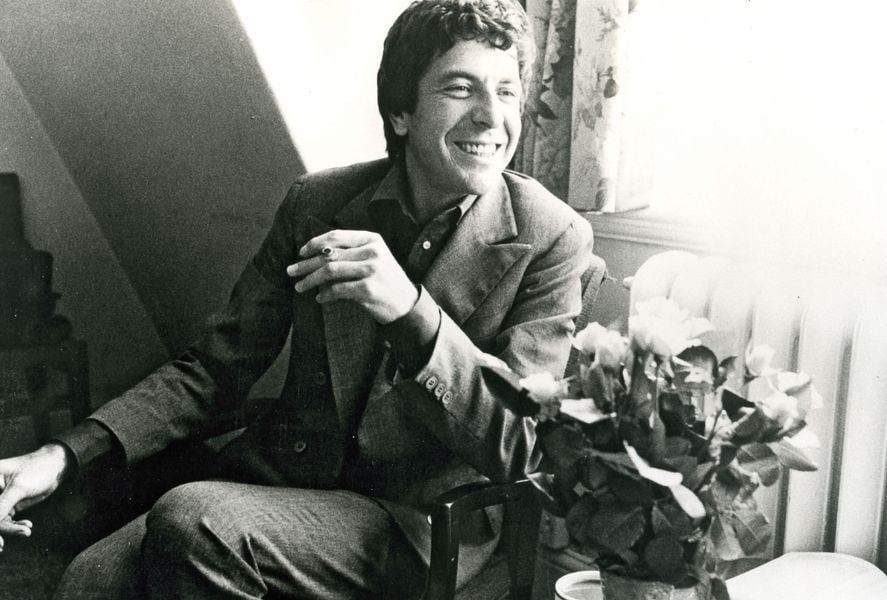
“Field Commander Cohen, he was our most important spy”
For a song about the weirdness and corruption of the music industry, Cohen calls himself out by name. Positioning himself as a kind of special operations agent, parachuting into the dazzling world of parties, suits and sales, he treats the business with exactly the kind of alienated oddness it deserves.
But there’s something so charming about this opener. An artist first naming themselves and referring to themselves straight out is so rare, and even more rarely done well. However, Cohen’s nod to himself as he dresses himself up as a soldier seems to perfectly match the naivety of his entry into the cruel industry.
‘Is This What You Wanted’

“You were the promise at dawn, I was the morning after”
A song built on contradictions, Cohen measures the collapse of something once great by how opposed two perspectives can now be. Throughout, he casts his old counterpart as innocent, angelic even, while he lives up to the old ladies’ man persona by taking the sleaziest position in it all.
But in this opening line, he puts it best. Captured at its simplest and most succinct, Cohen’s old love is full of hope, peace, and beauty, while he is a rotten and hungover morning where the regrets of the night hit hard like a headache.
‘One Of Us Cannot Be Wrong’

“I lit a thin green candle to make you jealous of me”
As essential as poetry or anything else to Cohen’s career, magic and spirituality play a vital role.
Throughout his life, the artist seemed to be on an unending hunt for spiritual belonging. He was raised in an orthodox Jewish family, briefly tried out Scientology, went to a Buddhist retreat and stayed up on a mounting for a good while, but not before a foray into the world of witchcraft.
During a stay at the Chelsea Hotel, Cohen was getting really into candle magic and numerology, seemingly to predict the danger Edie Sedgwick was in, all due to her candle arrangement, before the flames almost burnt the house down. Starting off this bitter heartbreak song with the image of a green candle, the shade said to bring in success and financial boosts, Cohen is trying and failing on a mission to make his lost lover want him back.
‘If It Be Your Will’

“If it be your will that I speak no more”
When most artists pen lyrics, their song is viewed by listeners as, well, a song, but Leonard Cohen’s words are so otherworldly, so ethereal, that they began to represent much more than just lyrics. ‘If It Be Your Will’ touches upon a range of different themes, as he seems to lean towards mercy, surrender and also accepting the interventions of something divine. He writes about these different topics so well that many consider the song to be something which runs parallel to that of gospel.
Bob Dylan himself described Cohen’s music as closer to prayers than songs, while Cohen said that the track ‘If It Be Your Will’ specifically was “an old prayer that came to me in a rewrite”. The evangelical nature of this beautiful piece of music is evident from the very first line, as he preaches “If it be our will that I speak no more”, and everyone within earshot bows their heads.
‘Winter Lady’
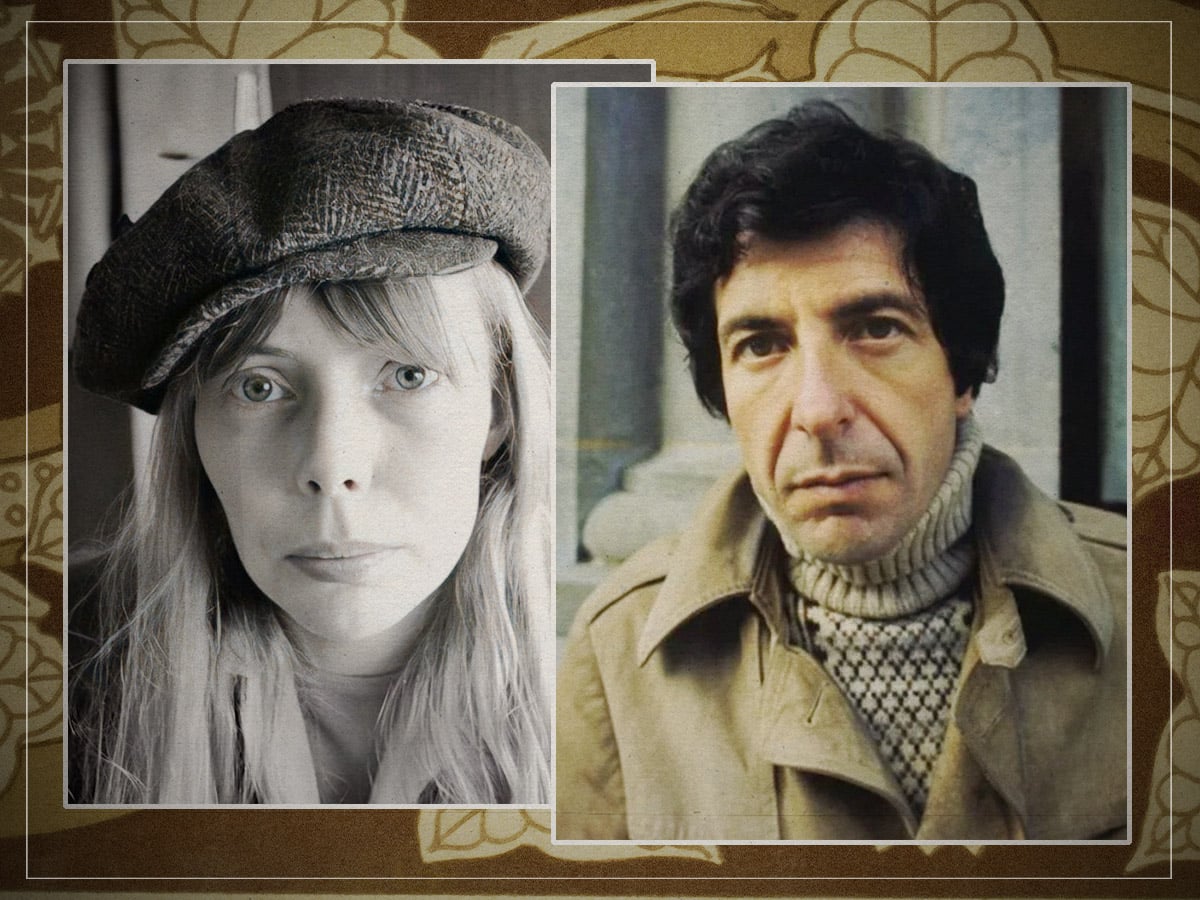
“Travelling lady, stay awhile”
Rumour has it that in 1967, folk’s two leading lights, Joni Mitchell and Leonard Cohen, fell into a love affair. After meeting at Newport Folk Festival, the two songwriters spiralled around each other for a brief and beautiful moment, piling the public praise onto one another. “Joni was some kind of musical monster, whose gift somehow put her in another category from the other folksingers. There was a certain ferocity associated with her gift. She was like a storm,” Cohen said, while Mitchell returned the favour, stating she was only a “groupie” for two people, “Picasso and Leonard”.
After meeting while both of their names were becoming known, the world naturally drew them away into busy careers. Reportedly written soon after that initial meeting, ‘Winter Lady’ captures that beautiful early intrigue, with Cohen wanting Mitchell to stay as they spent a few months inseparable and mutually inspired.
‘I’m Your Man’
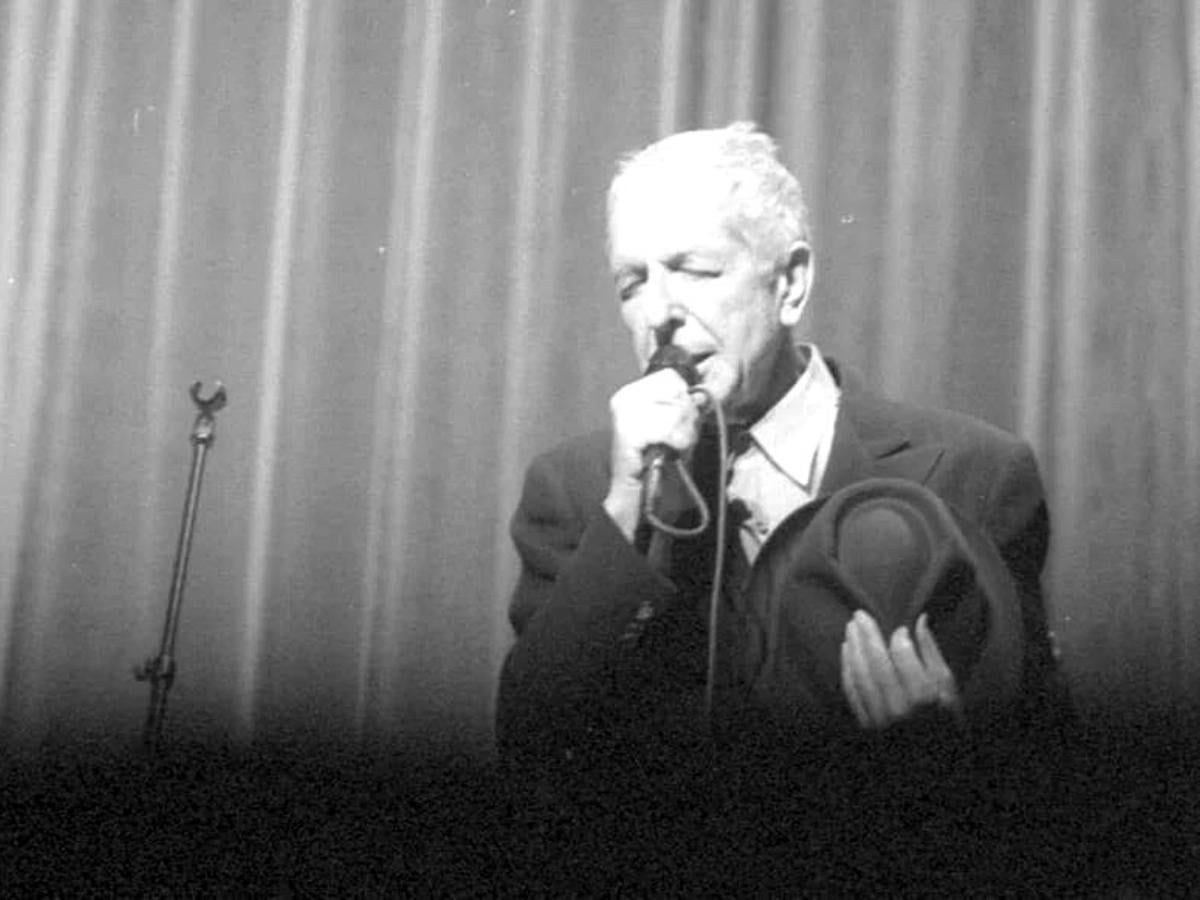
“If you want a lover, I’ll do anything you ask me to”
Cohen’s connection with words isn’t an accident. He was a poet before he was a musician, and while there are a lot of artists who will allow inspiration to strike and write down the words that appear in that moment, Cohen was a lot different. He would spend days, weeks, months, even years putting together the right words for his songs. ‘I’m Your Man’ was one of those tracks that Cohen spent a long time perfecting, and the opening words he eventually settled on were a beautiful and simple ode to devotion: “If you want a lover, I’ll do anything you ask me to”.
“I sweated over that one,” said Cohen when discussing the track, “I really sweated over it. I can show you the notebook for that. It started off as a song called ‘I Cried Enough For You’. It was related to a version of ‘Waiting For The Miracle’ that I recorded. The rhyme scheme was developed by toeing the line with that musical version that I put down. But it didn’t work.”
‘First We Take Manhattan’
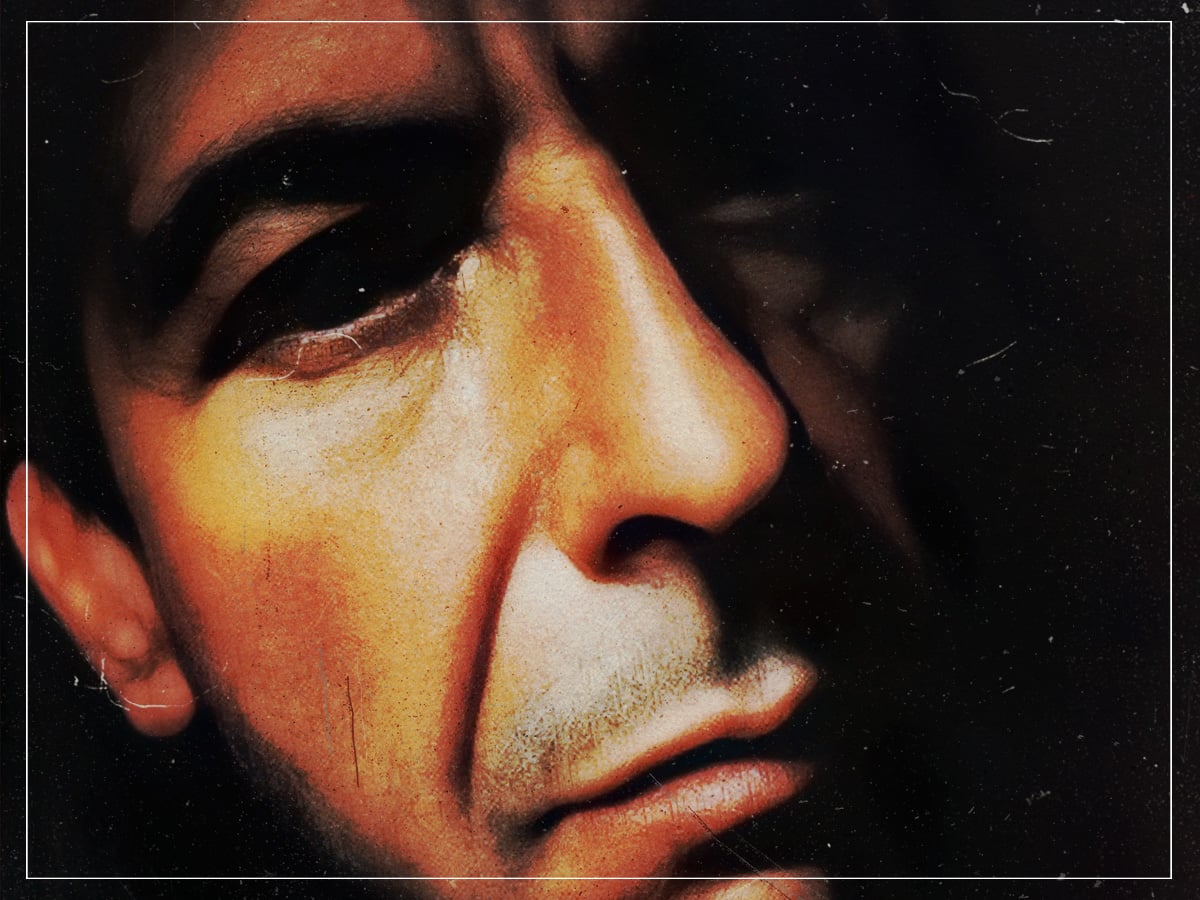
“They sentenced me to 20 years of boredom”
A lot of Cohen’s lyrics are completely literal, as people are able to take away his themes of anger, heartbreak, sadness, and all things in between. However, he has other songs that are a little harder to interpret, such as ‘First We Take Manhattan’. The first line sets the foundation for the entire song, as he sings about extreme views of the world around him, to the extent that it’s hard to know where the character in the song ends and the actual Leonard Cohen begins.
Cohen’s bassist Roscoe Beck produced the track, and when talking about it, he said one of the first things that struck him about the song was the lyrics. “I was also taken aback by the lyrics,” he said, “They scared me. The singer’s character seemed mentally unstable, and I wondered what the song was about. Leonard says it’s someone who’s an outsider, demented and menacing. I had an eerie feeling about it.”
‘Famous Blue Raincoat”
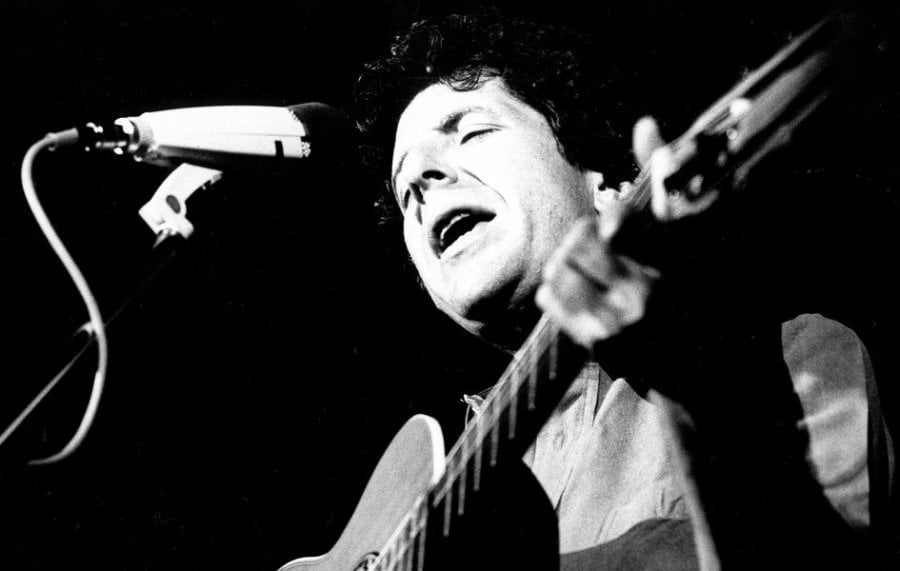
“It’s four in the morning, the end of December, I’m writing you now just to see if you’re better”
So often, the power of a Leonard Cohen song comes from his hyper-specificity. He names things, points things out, sets his songs in noted places, and sometimes even calls to his muses by names. However, the impact of that comes from his refusal to contextualise it.
‘Famous Blue Raincoat’ is a pinnacle of that. Taking the form of a letter, the song feels so honest and so vulnerable that it almost feels like something you shouldn’t be listening to. It feels private as he moves through what he has to say, but he doesn’t provide any context to the situation, seemingly hashing out a lost love amidst a complex love triangle without providing details.
‘Hallelujah’
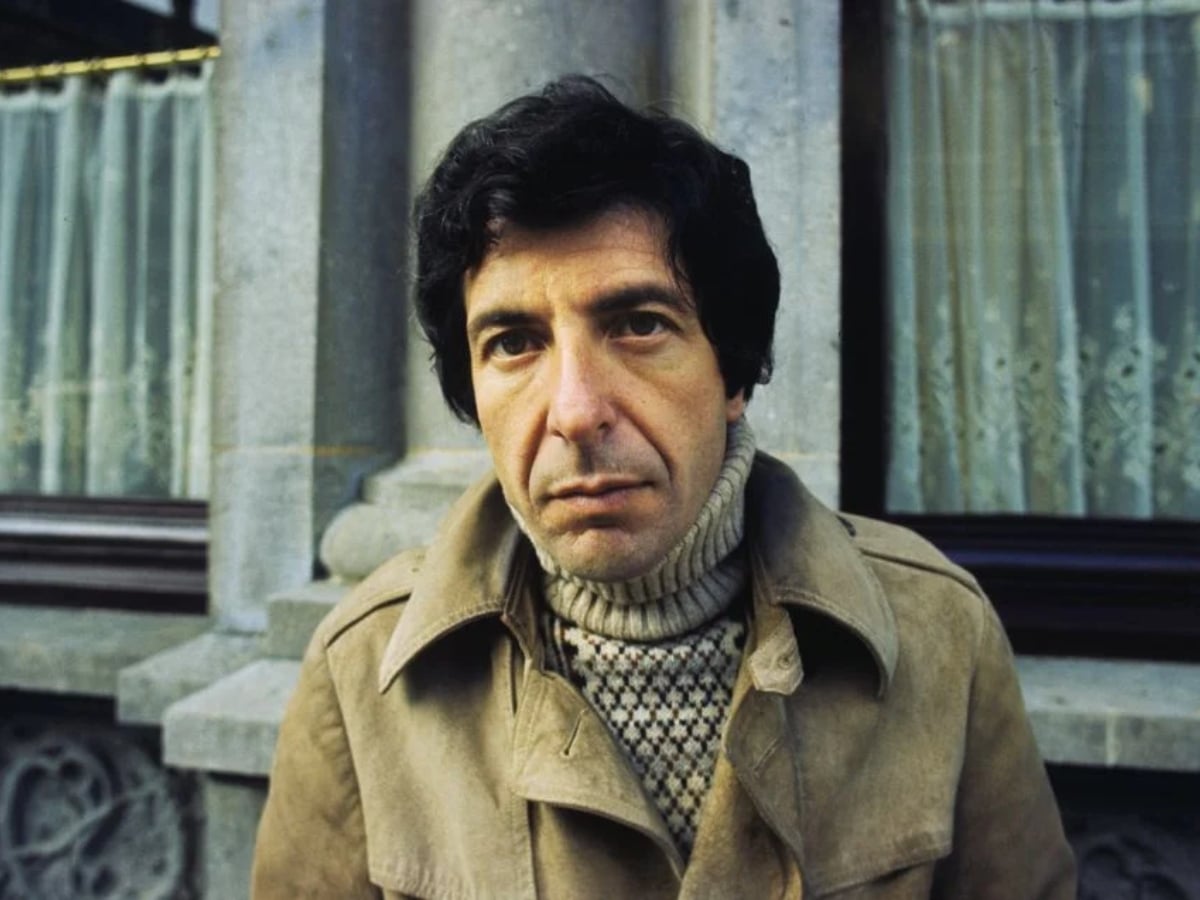
“Now, I’ve heard there was a secret chord that David played and it pleased the lord”
‘Hallelujah’ isn’t so much a song, but a true mountain of craft. Written over somewhere between five and seven years, and carved out through between 80 or even 180 draft versions, there is no other song as telling of Cohen’s process than this timeless track right here.
It’s only really when knowing that, and when knowing about the years he spent filling notepad after notepad with new or edited verses for this song, that each word takes on so much weight. To have made that final cut after so long, clearly each syllable holds something special and is meant to be there. It makes me think about the addition of “now” and the decision to keep in that oddly casual beginning to a song that is anything but. As it descends into its spiritual glory, sitting right in the centre between a song of love, a song of longing and a song of prayer, this opening line sets the tone so perfectly, instantly bringing about goosebumps.
‘Chelsea Hotel No 2’
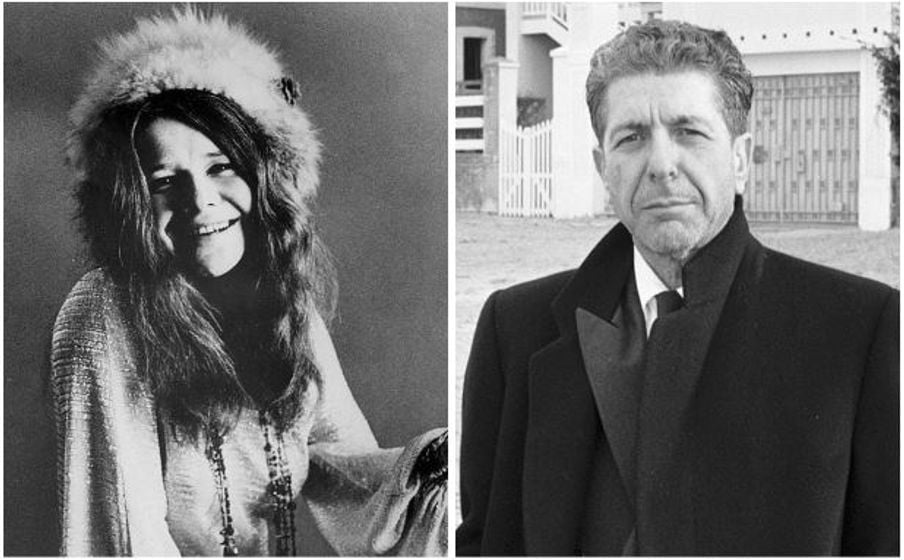
“I remember you well in the Chelsea Hotel”
‘Chelsea Hotel No 2’ feels like it should be carved into the walls of museums and treated like exactly what it is, a historical document. On the surface, this is a song about a one-night affair, about two outcasts falling together for a moment of lust. But as Cohen sets the scene in this opening line, it becomes something endlessly more important because of its specificity.
Specifically, this is a song about a one-night affair between Cohen and Janis Joplin, who was staying in room 411, and Cohen was right across the hallway in 424 at the Chelsea Hotel in New York. After a chance encounter in an elevator where the Canadian ladies’ man pretended to be Kris Kristofferson to get her attention, the song doesn’t just commemorate that connection, but it comes to commemorate an entire scene.
With this opening line and the decision to name the cultural hotspot, it stops being just Joplin he’s remembering, but an entire generation and each “fallen robin” lost to it.
