


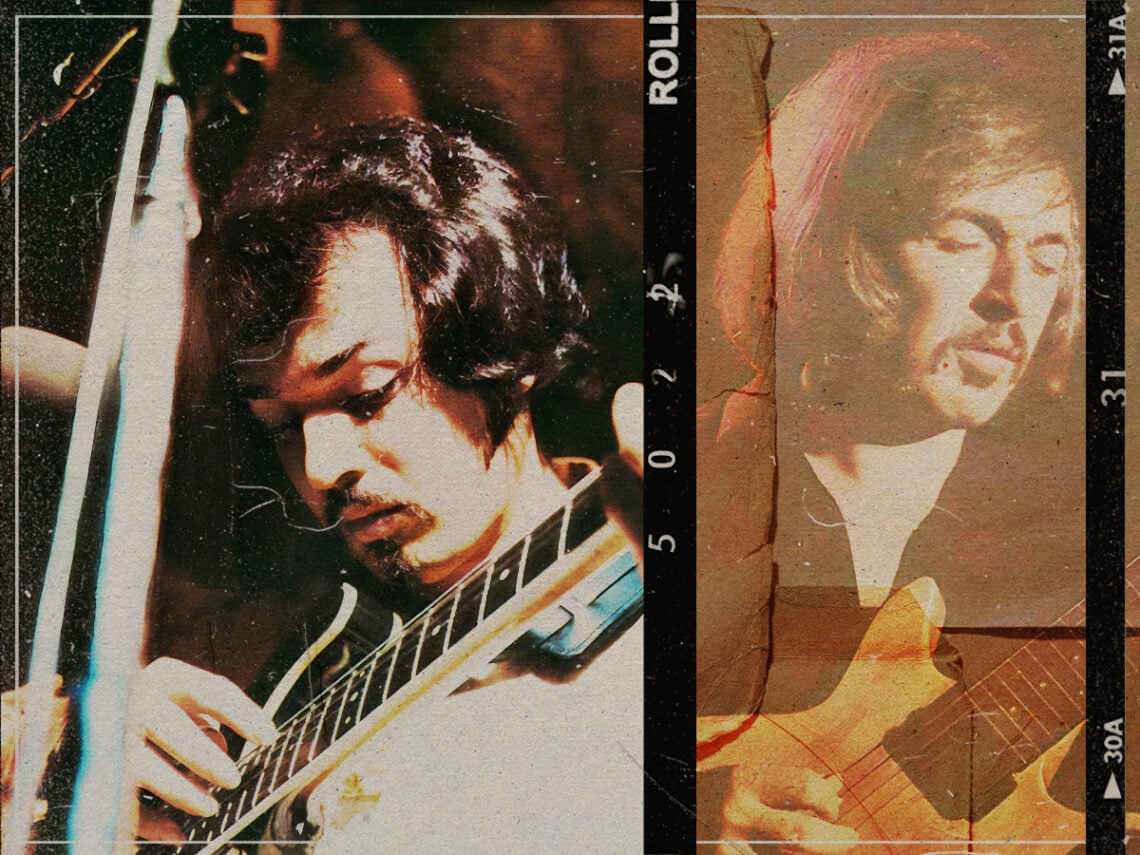
Lenny ‘Boy Wonder’ Breau: the tragic murder of a forgotten jazz virtuoso

When discussing the legacy of the late Lenny Breau, conversations will centre on his ability to play a seven-string guitar akin to a piano. Fans will recall how he effortlessly blended flamenco, jazz, classical, and country. The technically minded might even mention his pioneering use of chordal harmonics. Inevitably, however, all conversations will drift to his alleged murder.
Breau had all the makings of a virtuoso at only eight years old. Having been born to musical parents, country and western performers Hal Lone Pine and Betty Cody, he grew accustomed to singing harmonies with his parents on local radio stations. He took up guitar at nine, toying around with a few rudimentary chords until his real musical awakening years later.
That awakening arrived when he was only 11 and spoke to Breau’s natural musical ear. He’d come across a Chet Atkins instrumental on the radio, a fleeting few minutes that went on to shape his entire sonic stylings. Atkins had a unique way of playing that popularised the Travis picking style, using his thumb, first, second, and third fingers to pick out chords. While he struggled to work out how to replicate it on his own, his parents’ guitarist, Ray Couture, had worked with Atkins before and taught him the basics.
Breau took the building blocks Couture provided and ran with them, the lead guitarist of his own parent’s band at only 14. Playing as “Lone Pine Jr”, he routinely stunned audiences with his sound. By 15, he was a seasoned session musician, recording his own takes when he supported older musicians. Many of these moments made it to the posthumous album Boy Wonder, a testament to the ability he showed early on.
His abilities didn’t come without a cost, though. Breau left his parents’ band after trying to inject some free jazz improvisations into their music, a misstep so grave that his father slapped him for it. After spending a large portion of his childhood and the entirety of his teen years working, he was one of the most advanced guitar players around by his early 20s. But all the time spent fine-tuning Atkins’ technique meant Breau walked into adulthood ill-equipped to deal with the realities of life.
His own website mentions this in a dedicated biography, which shared that in later years: “[Breau’s] inability to look after himself would be a burden for him, particularly when his problems sometimes alienated those he relied on for help.” After leaving the band, he found solace in local musicians, and pianist Bob Erlendson helped develop his jazz techniques further.
Later, he worked diligently to get the attention of his hero, Atkins. By 1966, he was hosting his own TV show which highlighted his solo guitar work, and a year later, Atkins, who was the Vice President of RCA Records, came across his material. He immediately offered Breau a recording contract. The resulting two albums, RCA: Guitar Sounds of Lenny Breau and The Velvet Touch of Lenny Breau– Live, featured Breau on electric and nylon string guitars and the infamous 12-string. Both records were rich with wide-reaching influences, with country, jazz, Eastern and flamenco standards colouring both.
Just as his father hadn’t been ready to blend jazz and country, audiences were at a loss. Both albums were commercial flops, too eclectic for pop fans and not purist enough for jazz fans. Breau was disheartened, and his reluctance to boost sales with a huge tour meant RCA soon cut ties with him. While a handful of albums followed, Breau fell into drug addiction. As gigs began to dry up, at Atkins’ insistence, he started up a regular nightly show at a restaurant in Nashville in the late ’70s. While his battle with addiction continued, so did his commitment to the music.
The Legendary Lenny Breau: Live and Standard Brands, a duet album with Atkins, were recorded in Atkins’ home studio. A host of other records followed, none of which sold well. As the ’80s approached, the bulk of his income came from teaching at the Guitar Institute of Technology. His workshops there were so successful that they considered offering him a full-time teacher position. However, he died before an offer was ever made.
On August 12th, 1984, Breau’s body was discovered floating in a rooftop pool. The assumption was the substance issues that plagued him had led to his accidental drowning. However, on August 17th, the death was ruled a homicide. A coroner’s spokesperson pointed to specific injuries on his neck “being consistent with those found in strangulation”. His wife Jewel was considered a prime suspect, and their relationship was referred to on his website as “tumultuous and difficult”, with several of his friends telling the police “they had witnessed an enraged Jewel hit and choke Lenny on several occasions”. The evidence wasn’t convincing enough, and the murder remains unsolved.
His lifelong mentor, Chet Atkins, once called Breau the greatest guitarist in the world. His contributions to jazz remain chronically overlooked, albums are increasingly hard to find, and his techniques abandoned by the new school of jazz musicians – who had either never heard of him or wouldn’t be able to track down the guides he’d written to mastering his style. He lies buried in an unmarked grave in Los Angeles.
