


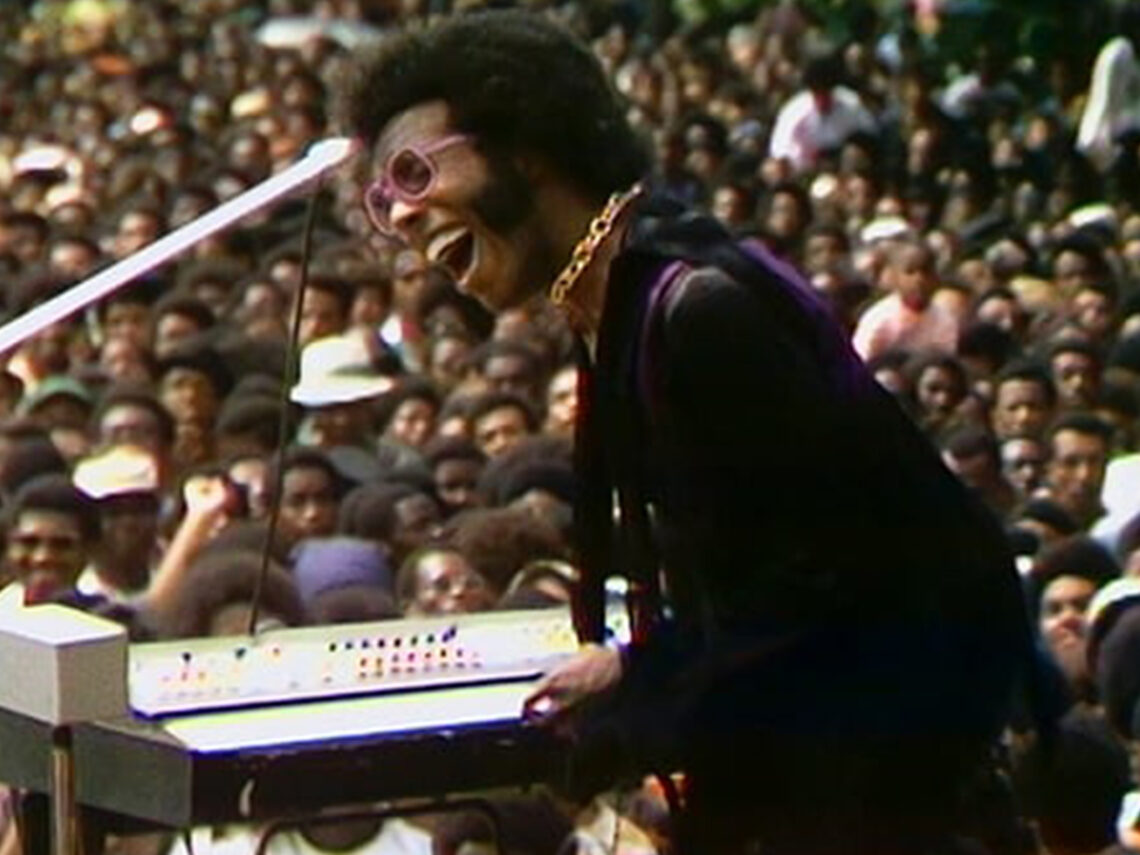
“People kept turning up”: the legendary gig that Sly Stone called scary

A weekend of peace and love that changed popular culture forever, gigs don’t come any more legendary than Woodstock Festival. Reflecting the pinnacle of the hippie counterculture, Woodstock showcased all of the revolutionary sounds emanating from the Western world at that time, featuring truly iconic performances from the likes of The Who, Jefferson Airplane, and Jimi Hendrix, to name but a few (making its $24 ticket price seem more than reasonable). Arguably, though, it was Sly and the Family Stone who stole the show on that fateful weekend in New York back in 1969.
Led by Sly Stone and the innate power of funk-rock, Sly and the Family Stone achieved their first major hits only shortly before being booked for the legendary festival. In many ways, though, the group encapsulated the cultural revolution of the 1960s better than any other. A mixed-race, mixed-gender line-up broke down the arbitrary societal barriers perpetuated by mainstream American society at that time, blending elements of typically white rock music with Black funk and soul grooves.
Still, when the group arrived at Woodstock, they were certainly classed as underdogs next to the likes of Hendrix or The Who. In his typical fashion, though, Stone played as though the thousands of tripped-out hippies lying strewn across the grass were all there for him and him only, putting on an utterly awe-inspiring show which blew the rest of the festival out of the water.
From an outside perspective, Stone and the group seemed to take all of this in their stride, becoming an indisputable highlight of the most important weekend in music history without so much as breaking a sweat. Every hurdle that Woodstock offered them – and, let’s be frank, Woodstock came with a ridiculous amount of hurdles – Stone overcame with the effortless cool that endeared him to so many listeners.
In fact, Sly and the Family Stone put on such a compelling, infectiously funky set at Woodstock that they were able to overcome the famous scheduling issues that plagued the weekend. By the time the band emerged onto stage, following on from blues legend Johnny Winter, it was 3:30am on Sunday morning, and the vast majority of attendees were either asleep in their tents or lost deep in the mental turmoil that comes with a three-day acid bender.
Undeterred, Stone expertly demonstrated the extent of their funk-rock mastery, slowly dragging legions of tired hippies from their slumber to share in the jubilation. As Stone recalled to The Guardian in 2013, “It was scary. More and more people kept turning up.” Although you wouldn’t know it from the outside, Stone didn’t feel quite at home at the festival. “I didn’t know where to go if I wanted to buy some food. Although there was a lot of people advertising which kid you could go to to buy acid,” he explained. “So I was scared.”
Even though Sly and the Family Stone had achieved a fair few hits prior to their appearance at Woodstock, impostor syndrome was still rife when the band arrived. “Jimi Hendrix was there, all sorts of other people. I knew my place,” the frontman affirmed. “Just to be around Jimi Hendrix … shit. I didn’t want to be running my mouth off, too much talking. I hate that kind of shit. I just wanted to play the best we could, and that’s what we did.”
That’s what Sly and the Family Stone did best: play the tunes, then disappear off into the night, nothing superfluous or self-aggrandising, just a deep and unending love for music. In that sense, it is no surprise that the band became a highlight of the Woodstock Festival, as they seemed to reflect the event’s ‘peace, love, and music’ ethos better than most.
