


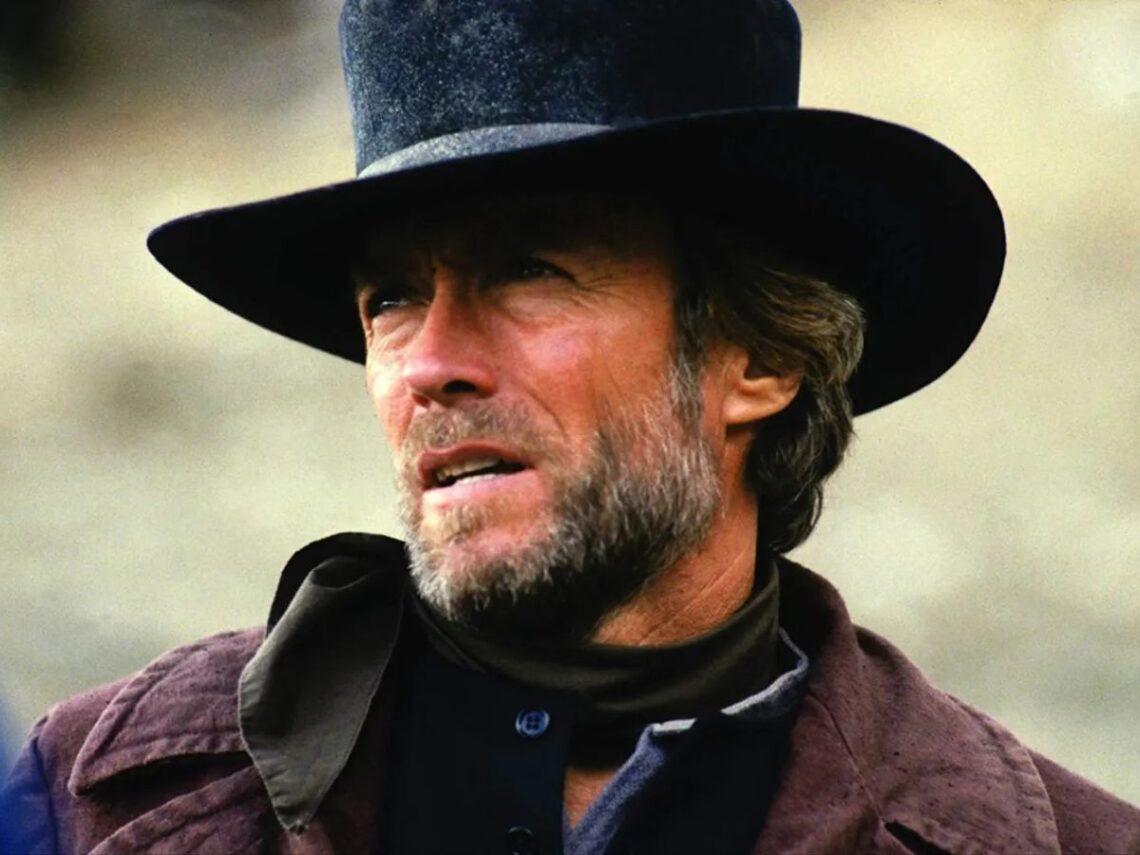
The iconic director Clint Eastwood was glad he never worked with: “A blessing in disguise”

Thanks to his illustrious legacy on both sides of the camera, one of the most acclaimed and iconic directors that Clint Eastwood has ever worked with is, funnily enough, Clint Eastwood.
Few figures in Hollywood history have managed to sustain such success in front of and behind the camera simultaneously. While many actors have tried directing and plenty of filmmakers have appeared onscreen, Eastwood’s ability to excel at both disciplines over multiple decades remains exceptionally rare.
Now 40 features into his filmmaking career, having made his debut over 50 years ago with 1971’s Play Misty for Me, he’s become the definitive actor-turned-director. He might not be the greatest at either profession in terms of awards, acclaim, range, or technical virtuosity, but that doesn’t really matter.
What has always separated Eastwood from many of his contemporaries is consistency. Rather than chasing trends or reinventing himself dramatically, he developed a distinctive style built on efficiency, restraint and a deep understanding of storytelling.
There aren’t many actors in Hollywood history who can match his legendary status in terms of longevity, appeal, and iconography, and neither are there too many auteurs who’ve been working solidly, prolifically, and to a consistent level for 50 years, never mind while balancing two careers.
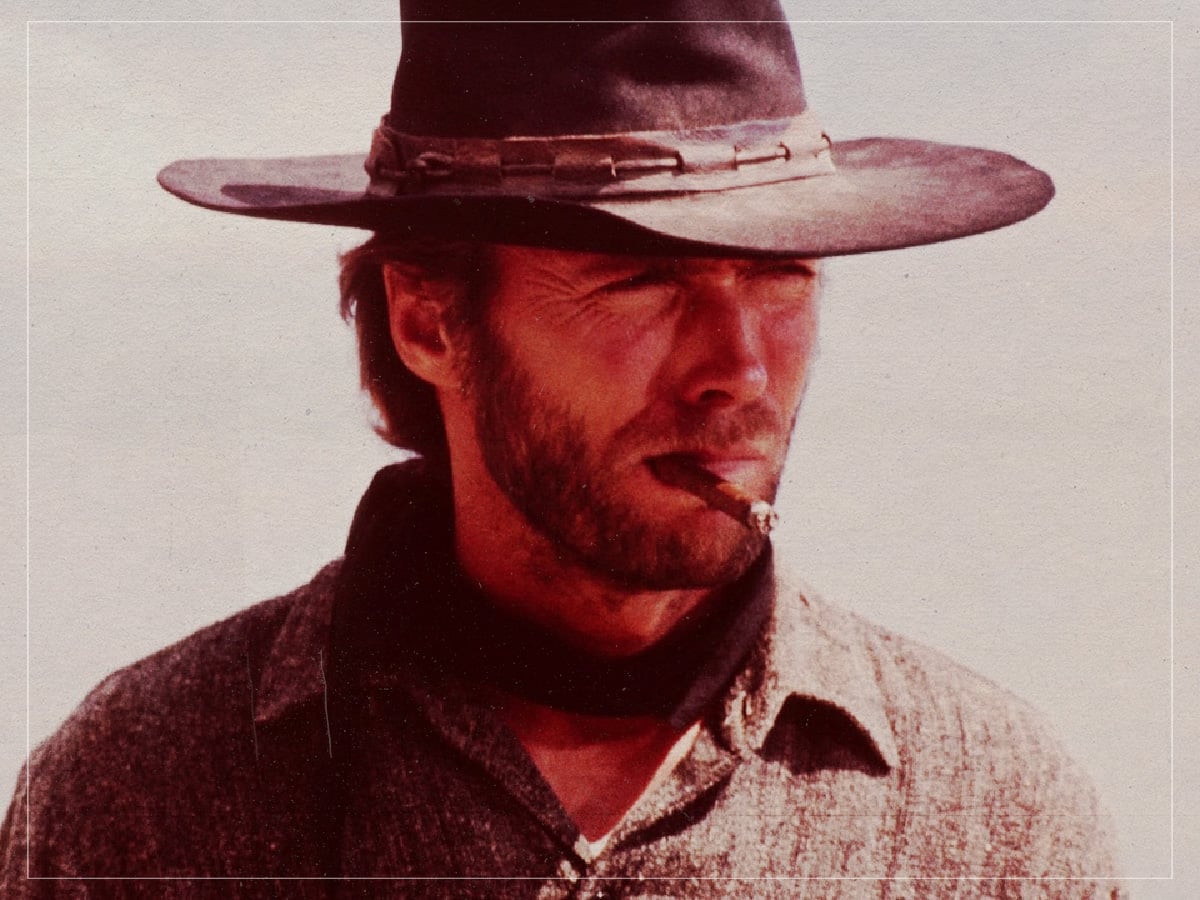
He’s got four Academy Awards, four Golden Globes, and a smattering of lifetime achievement awards to underline his accomplishments, but Eastwood is also self-effacing enough that he wouldn’t place himself on that pedestal. He’s worked with many incredible directorial talents, but he was surprisingly OK with missing out on a chance to work with one of the best ever.
In fairness, they were ships in the night to a certain extent. Sure, they spent decades working in the same industry at the same time, but when Eastwood was headlining westerns, popularising the spaghettified version, and gunning down criminals, John Huston may as well have been working in an entirely different industry.
Eastwood was one of the biggest stars on the planet in the 1960s and 1970s, but when Huston was making films like Freud: The Secret Passion, The Night of the Iguana, The Bible: In the Beginning, and The Man Who Would Be King, the grizzled thespian didn’t exactly fit the bill of what those ensembles required.
It worked out pretty well for Eastwood in the end, though, because it allowed him to head into 1990’s White Hunter Black Heart – loosely based on Huston’s misadventures shooting The African Queen – with a clear head and no sense of baggage having never encountered the thinly veiled subject personally or professionally.
“I never worked with him or even met him, which may have actually been a blessing in disguise,” he told Movies. “I think it allowed me to work with greater objectivity. I completely missed his generation of directors. My career began quite late and moved parallel to those of Sergio Leone and Don Siegel. At the end of the ’60s, we were the new generation, and we had no contact with the former masters of the preceding era.”
Very few actors of Eastwood’s era would have counted their blessings at never being able to work with a maestro like Huston, and it would be enough to make Michael Caine’s blood boil. And yet, it became unexpectedly fortuitous when he used the director as the basis for a character he could approach with a clean slate having never come face-to-face with two-time Oscar winner.
In the end, Eastwood’s lack of familiarity with Huston proved unexpectedly valuable. What might have seemed like a missed opportunity instead allowed him to approach White Hunter Black Heart without preconceptions, demonstrating once again how unconventional circumstances often shape some of the most interesting creative decisions.

Never Miss A Tale
The Far Out Clint Eastwood Newsletter
All the latest stories about Clint Eastwood from the independent voice of culture.
Straight to your inbox.