


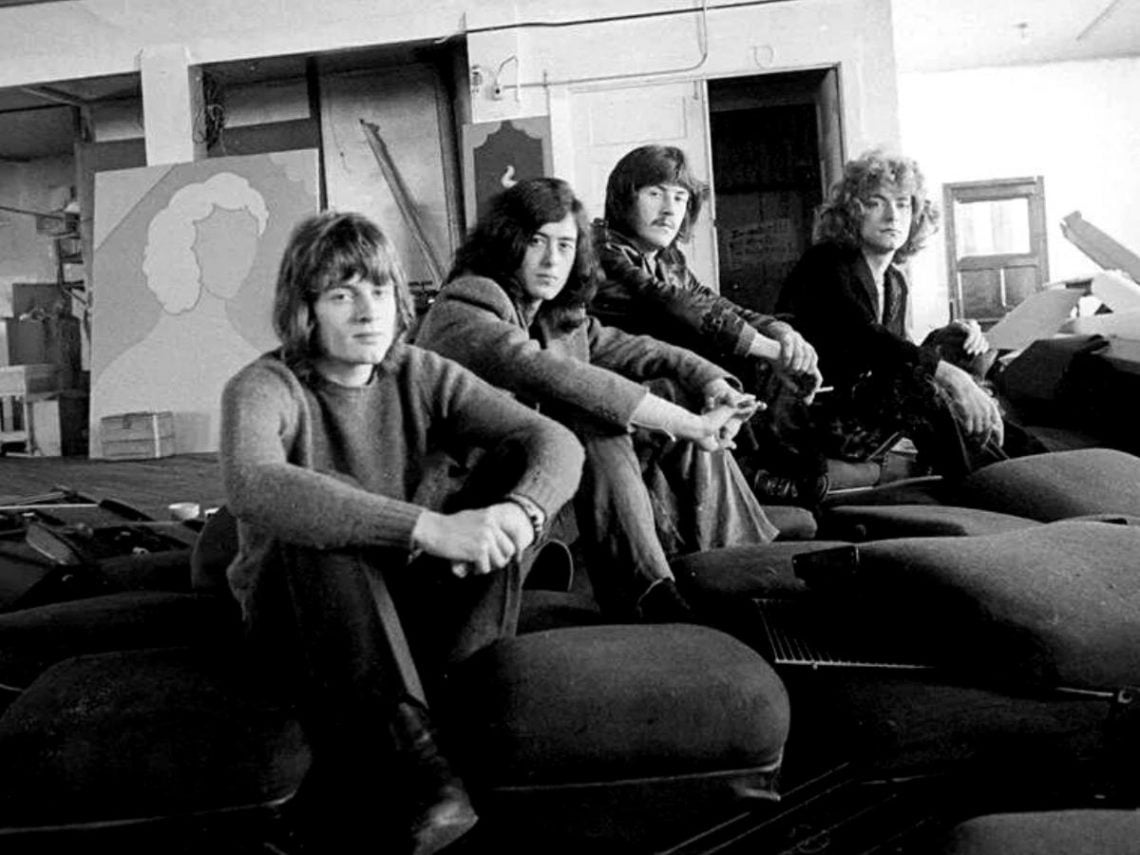
Five Led Zeppelin covers that are better than the originals

Covering an artist you admire is a difficult conundrum for any musician. On the one hand, you could pay tribute to the original recording in all its glory, or there’s also the option to reinvent the song completely. One act that mastered this skill set is the great Led Zeppelin, who successfully found a way to get the balance right.
Another act who knows what it takes to master the art of a good cover is Debbie Harry from Blondie. In an interview with The Guardian, Harry shared the essential ingredients necessary to make a cover work. She said: “I liked what Miley Cyrus did with ‘Heart of Glass’. She’s made it a bit herself, which is the art of a great cover. When we did Johnny Cash’s Ring of Fire in a film called Roadie, nobody had done it as a rock song before, and we played it like we were on a fast trip to hell. I’m still really excited and happy about doing that.”
Led Zeppelin have been on both sides of the fence when it comes to covering iconic material. During their time as a band, Led Zep covered others on plentiful occasions and usually did justice to the original. However, they also know how it feels to have their song butchered.
Speaking with the Brazillian publication Veja, Robert Plant once named the strangest Led Zeppelin cover bands: “There was a band called Dread Zeppelin, who played reggae rock covers with the vocalist dressed as Elvis, and did a cover of Heartbreak Hotel and included a Heartbreaker solo (from Led Zeppelin) in its version.” With that in mind, we’re delving into the archives to find five Led Zeppelin covers that are better than the originals.
Five Led Zeppelin covers that are better than the originals:
Blind Willie Johnson – ‘Nobody’s Fault But Mine’
‘Nobody’s Fault But Mine’ was first recorded by Blind Willie Johnson in 1927, and his version was a gospel song. If you took the lyrics away that Plant sang on the track, there would be no similarities between the two recordings. Interestingly, Led Zeppelin are not the only act to have transformed Johnson’s creation. Nina Simone, Ry Cooder, and The Grateful Dead also reshaped it into their respective images.
Speaking of the cover in the book Light and Shade: Conversations with Jimmy Page, Page said: “Robert [Plant] came in one day and suggested that we cover it, but the arrangement I came up with was nothing to do with the [Blind Willie Johnson] original. Robert may have wanted to go for the original blues lyrics, but everything else was a totally different kettle of fish.”
Kansas Joe & Memphis Minnie – ‘When The Levee Breaks’
Led Zeppelin had an inane knack for making any song sound like their own, regardless of the original genre. For example, ‘When The Levee Breaks’ was a traditional country song from the 1920s by Kansas Joe and Memphis Minnie, which Zeppelin transformed into a bluesy beast with their version from Led Zeppelin IV.
The true story behind the original is somewhat lost in Zeppelin’s version, and ‘When The Levee Breaks’ is a reference to The Great Mississippi Flood of 1927. Once you have the context behind the track, the lyrics take on a whole new meaning, and by reworking the song, Led Zeppelin passed it on to a whole new generation.
Ben E. King – ‘We’re Gonna Groove’
In 1964, Ben E. King released ‘Groovin”, and a few years later, Led Zeppelin started to play their take on the track in their live sets when they set sail on a European tour. It was the opening number to their concerts and went down a storm with their fans, but they decided against releasing it while they were active.
Following the death of John Bonham, Led Zeppelin understandably decided to part ways. However, in 1982, they shared the rarities album Coda, and their recording of ‘We’re Gonna Groove’ finally saw the light of day. The track bottles up the frantic energy of the band’s early days, and it could have slotted in seamlessly onto their critically-acclaimed eponymous debut album.
Blind Willie Johnson – ‘In My Time of Dying’
‘In My Time Of Dying’ marks the second time Blind Willie Johnson’s work has been bettered by Led Zeppelin, although his original version was alternately named ‘Jesus Make Up My Dying Bed’. However, Zeppelin turned the track into an 11-minute phenomenon, and it’s on a whole other dimension than the original.
The Physical Graffiti track is a personal favourite of super-producer Rick Rubin. He commented to Rolling Stone in 2010: “The bass line in the fast grooves is so interesting and unexpected. It keeps shifting gears, over and over.”
Jake Holmes – ‘Dazed and Confused’
Jake Holmes released his track, ‘Dazed and Confused’, in 1967, and Led Zeppelin didn’t wait too long before releasing a better version of Holmes’ effort. Admittedly, it’s not strictly a cover as Zeppelin changed the lyrics and vocal line, but without Holmes’ song, there’s no way Led Zeppelin released a track titled, ‘Dazed and Confused’.
In the 1980s, Holmes first initiated contact with Jimmy Page as he sought compensation, but his request fell on flat ears. In 2010, he finally filed a lawsuit, and the matter was settled out of court, although Page still refuses to classify the creation as a cover. Instead, it reads, “Jimmy Page, inspired by Jake Holmes”.

Never Miss A Beat
The Far Out Led Zeppelin Newsletter
All the latest stories about Led Zeppelin from the independent voice of culture.
Straight to your inbox.