


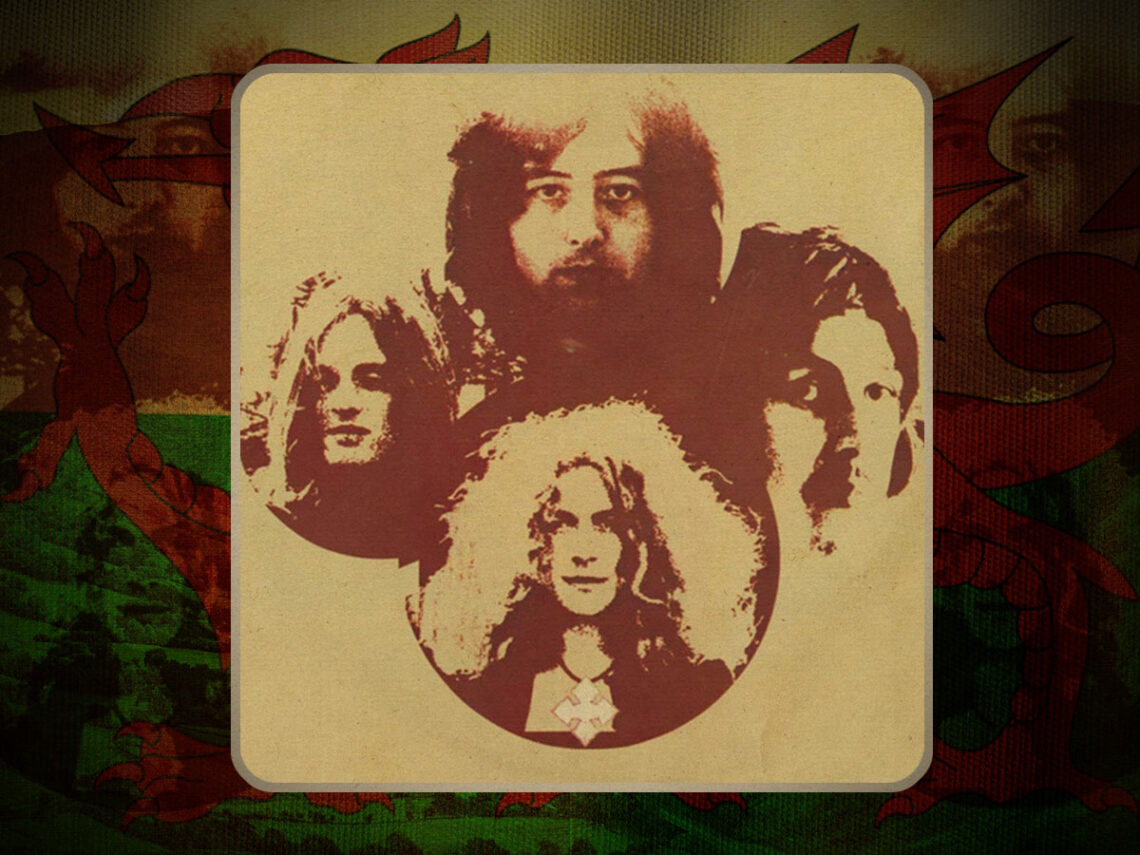
The number one Led Zeppelin album born in small Welsh town

Artistic inspiration often comes from the most unlikely surroundings, and although it is easy to envision every one of Led Zeppelin’s hard rock riffs and expansive long-playing masterpieces being dragged from the endearingly dirty gutters of rock and roll, where all guitar-based abrasion surely resides, Jimmy Page and the gang often took their core inspiration from far more natural surroundings.
It didn’t take very long for Led Zeppelin to reach the unprecedented heights of rock and roll stardom, charting private jets and performing for tens of thousands of adoring fans in different cities night after night, fueled only by a hedonistic cocktail of drugs, drink, and uncut rock and roll spirit. They were, perhaps more than anybody else back in the early 1970s, a band that truly encapsulated this new era of rock, which was far dirtier, far louder, and far more profitable than what had gone on during the previous two decades.
By the time that the group came to record their third consecutive masterpiece, Led Zeppelin III, in late 1969, they were perhaps in need of some kind of escape from the hedonistic lifestyle they had carved out for themselves. There were, however, few places that the group could go where they would not either be recognised or, at the very least, ridiculed for their, for the time, rather outlandish way of dressing.
It was Robert Plant who eventually answered the band’s prayers, leading them to a rural cottage on the outskirts of Machynlleth, a small Welsh market town which the hard rock revolution had yet to really impact. Completely cut off from the pressures of the music industry or the fast-paced lifestyle of a London rock band, that small cottage ended up forming the backbone of the band’s next record.
Reportedly, Plant had first visited the cottage, named Bron-Yr-Aur, during the 1950s, when it was used as a holiday home by the family of the future rock god. Built in the 18th century, the cottage had no electricity or even a fresh water supply, but its pastoral surroundings and utilitarian nature were just what the band needed, as it turned out.
“We had this time off, and Robert suggested the cottage,” Jimmy Page later recalled of the decision to travel to rural Wales. “I certainly hadn’t been to that area of Wales. So we took our guitars down there and played a few bits and pieces,” he explained. “This wonderful countryside, panoramic views and having the guitars … it was just an automatic thing to be playing. And we started writing.”
Not only did the pair begin writing, but they managed to carve out the core of what would eventually become the chart-topping Led Zeppelin III in that centuries-old stone cottage.
In fact, it was those countryside surroundings which likely accounted for the album’s sonic shift when compared to the previous two, often opting for a more stripped-back, intimate, even folk-adjacent sound, particularly on tracks like ‘Tangerine’, for instance, or the aptly named ‘Bron-Yr-Aur’, which took much more overt inspiration from the cottage.
Gwynedd might not be a country famed for its music exports, but back in late 1969, that small, unassuming cottage hidden away in the valleys was the centre point of one of the most iconic, influential, and commercially successful rock albums of all time, transforming the sound of Led Zeppelin forevermore in the process.
Inevitably, the band didn’t opt to record their subsequent records at Bron-Yr-Aur, and it wasn’t long before they returned to their wild rockstar lifestyles, in different hotel rooms every night, each of them in various states of disrepair. There is, however, a definite shift in the core sound of the band from Led Zeppelin III onwards, and it is those months spent in the rolling green isolation of Wales which seems to account for that shift.

Never Miss A Beat
The Far Out Led Zeppelin Newsletter
All the latest stories about Led Zeppelin from the independent voice of culture.
Straight to your inbox.