


‘L’amour existe’: Maurice Pialat’s suburban Paris

Among the world’s great cities that have received the highest number of cinematic tributes, Paris has to be right up there. Ranging from Agnès Varda to Jean-Luc Godard, some of the most important filmmakers in history have tried to make sense of the incredibly complex sociocultural undercurrents that form the foundation of Paris. Within that tradition, the work of French auteur Maurice Pialat holds a special place.
Having been regularly compared to John Cassavetes, Pialat is an interesting artist within the 20th-century French canon who had a significant impact on the formal language of cinema. Although he wanted to become a painter at first, Pialat eventually found his way behind a camera which inspired him to work on his craft. Of course, like most great directors, he had a lifelong relationship with films which could be traced back to his childhood.
During an interview with Christian Fevret and Serge Kaganski, Pialat revealed that he was mesmerised by pioneers like Charlie Chaplin and Jean Renoir. He said: “My relationship with cinema started before the war. How could a kid growing up back then not love the movies? Impossible, I saw a lot of films at the youth club with the parish priests. Smart and shrewd fellows they were, they knew how to fill a room with impressionable kids.”
While recalling his filmmaking journey, Pialat added: “I did amateur theatre until 1945-46, and I started making films in 1950, still as an amateur. But it seemed like 10 years later. There’s no relation between the two. I bought a 16mm Pathé camera: I was on a Pathé subscription program. I shot a short with two partners, but it was never edited. Later when I worked for Olivetti [an Italian business machine company], I put together a burlesque short with some colleagues.”
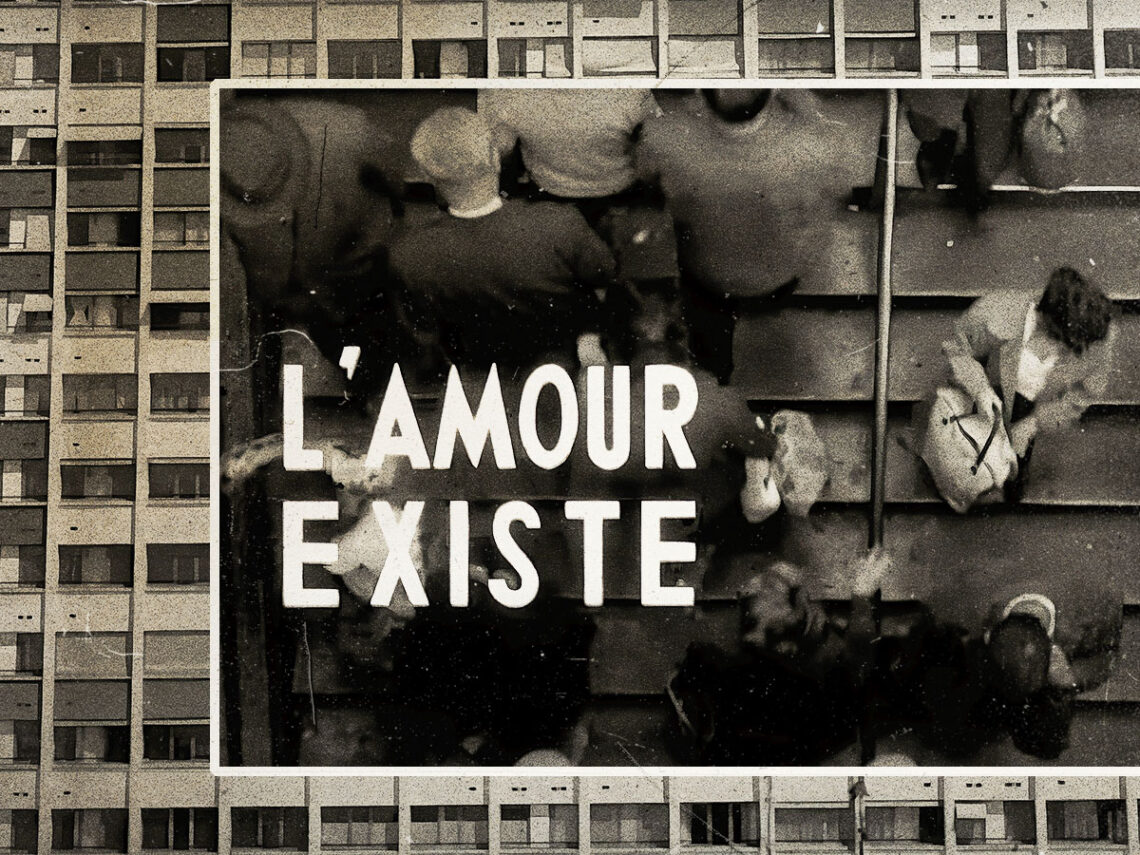
The film that announced his arrival to the world also coincided with the nascent stages of the French New Wave. Titled L’amour existe, Pialat’s 1960 short isn’t like most of the other works that had Paris as their subject. Instead, it focused on the suburban areas of Paris that were rapidly losing their identity as the real estate developers moved in on them. Documenting the uncanny similarities between modern existence and the structures of fascism, L’amour existe is an ominous warning that inevitably fell on deaf ears.
While Pialat’s commentary on the hypocrisies of bourgeois complacency and grotesque wealth inequality is as relevant as ever, it’s the formal framework of the film that still draws the attention of scholars and cinephiles. Perfecting the art of the montage, Pialat’s images have a silent power that perfectly conveys the horrors of a future that hasn’t happened yet.
Watch the film below.
