


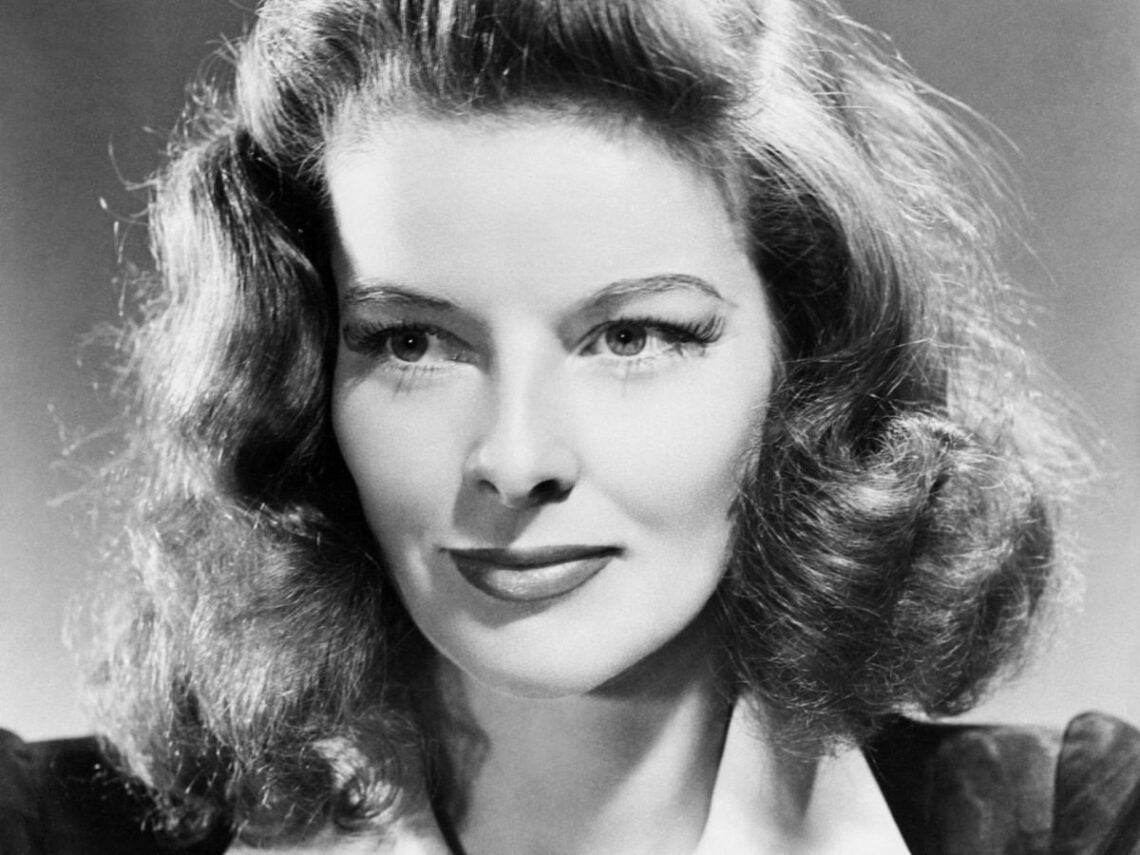
Katharine Hepburn regretted a “nothing” performance but it became the most important of her life

Some actors simply flash in the bright lights of Hollywood like the burning bulb on a theatre’s advertising. Others are the bricks and mortar of the entire industry. Katharine Hepburn was the latter.
One of the most acclaimed and revered actors of her generation, Hepburn’s position as one of the more gifted performers is cemented by her seemingly unbreakable Oscar record, which has seen her become the only actor to ever get four of the statuettes for their performances.
To achieve such greatness, you need a few things: determination, talent and a willingness to understand where you have gone wrong and to learn from them. Hepburn had all three in spades. Never settling for anything less than her best, Hepburn threw herself into her projects with a steely resolve more usually reserved for leaders of warring parties.
This headstrong determination was backed up by a serious amount of talent. Gaining four Academy Awards is one thing, but having one of them disputed is another. An actor who seemed to only get better and better, Hepburn’s ability to move in and out of varying roles is part of what made her an unfathomable star. However, she also went wrong on a few occasions in her career; she just didn’t have the good sense to recognise it.
Before she truly made her way in the movie business, Hepburn was a bustling actor on Broadway. Like so many other young hopefuls, Hepburn was desperately trying to find her rhythm, and so, when offered the chance to work with Jed Harris on the British-written play The Lake, she jumped at the chance. A leading role was too good an opportunity to turn down.
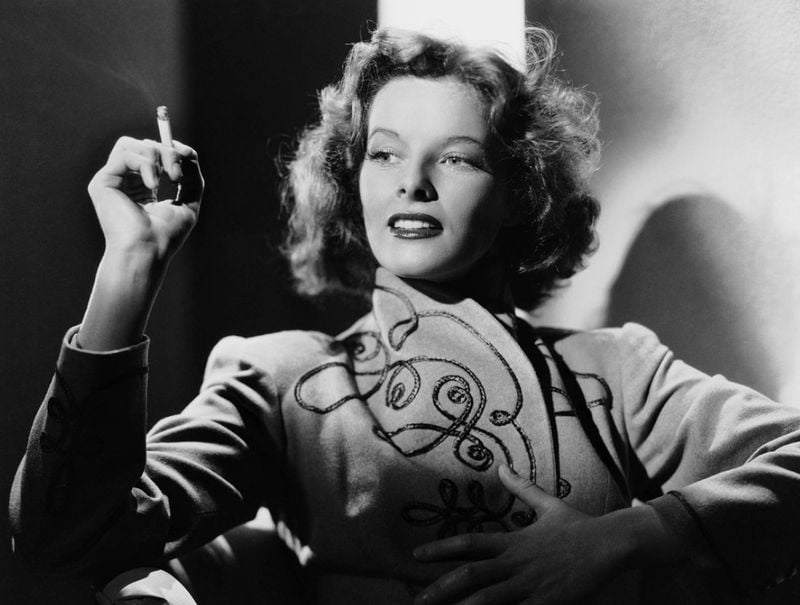
Speaking about the miserable experience in Me: Stories of My Life, Hepburn opened up about the treacherous experience with director Harris: “Back to The Lake. It was a slow walk to the gallows. We finished Washington. We went back to New York. I kept hoping that I would drop dead. But I didn’t. We weren’t rehearsing at all. Now, it could be that Jed felt that he had overdirected me. And that he was letting me find my way back. But by this time back to where? He—Jed—was invisible.”
Feeling lost and without a notion of direction, Hepburn zombied her way toward the evening’s opening night: “Inevitably, they arrived: dress rehearsal—opening night. Luckily, I was tough. My cue came. I walked on. And I walked through the whole opening night. It was perfectly awful. Like an automaton. My voice got higher and higher. I prayed. I prayed. I prayed. No use. I just went on and on and on. I hadn’t died. I was there. Fully conscious of having given a totally nothing performance.”
It would become a moment she would rather forget. The play was a critical and commercial flop, with Hepburn taking much of the flak for her performance. The show ran for 55 nights on Broadway before Harris, who was known as the “big bad wolf” of US theatre, tried to move the battered and bruised production to Chicago, with Harris telling Hepburn: “My dear, the only interest I have in you is the money I can make out of you.”
Hepburn had learned her lesson, she had suffered enough. Determined, she refused to comply with Harris and using the money she had already made from her talents paid the director over $13,000 not to take the production on the road. This one experience would set Hepburn up to become the powerhouse she was.
Making fun of her experience in the 1937 picture Stage Door, in which she starred alongside Ginger Rogers and Lucille Ball, Hepburn included the line: “The calla lilies are in bloom again, such a strange flower, suitable to any occasion…” It became a catchphrase forever associated with the star. Thanks to the new levels of acquired understanding, The Lake would become her life’s most important, if not impressive, role.
