


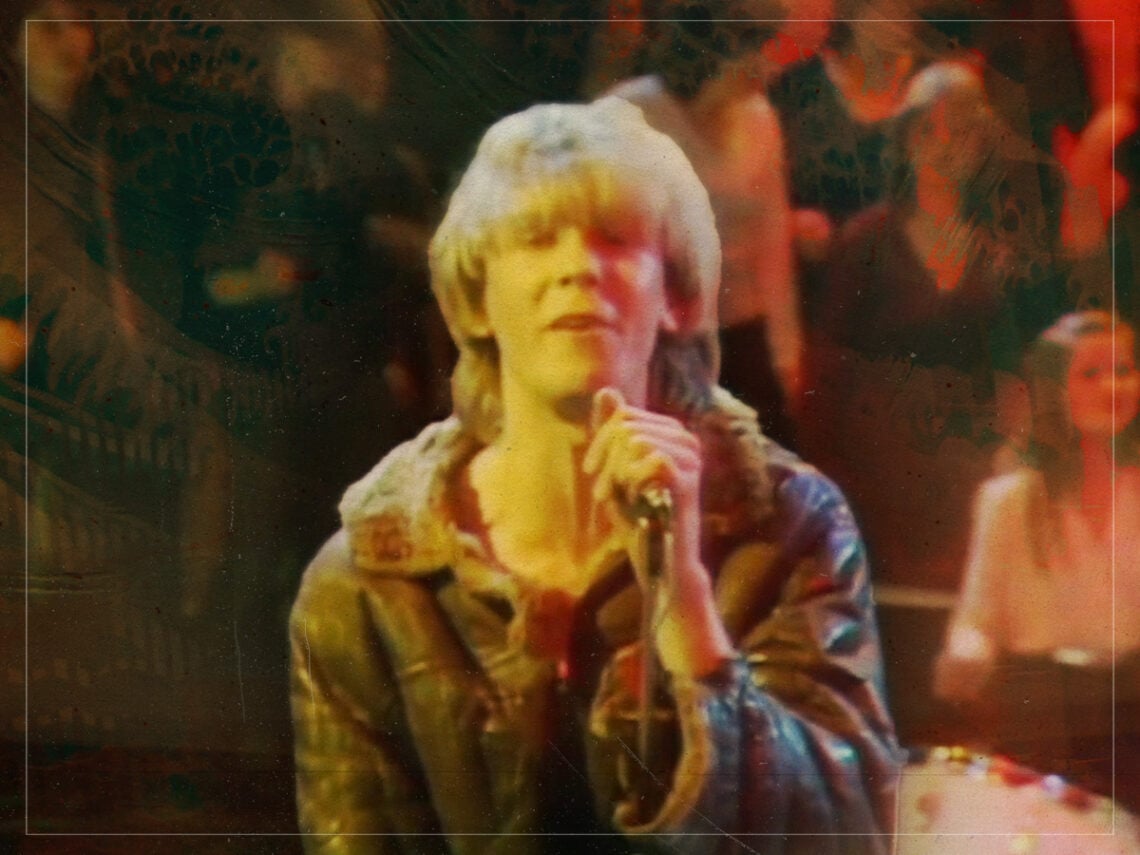
Julian Cope: the only antiquarian researcher to have appeared on ‘Top of the Pops’ on acid

“The stones and circles of Britain are absolutely central to who we are today” is a line you might expect to hear on a television documentary presented by Neil Oliver or Dan Snow. It is not, in contrast, something you would expect to come from the mouth of an acid-riddled post-punk hero like Julian Cope. Such is the extreme duality of the neo-psychedelic star that he is equally equipped to discuss antiques and ancient research, as he is the ins and outs of working with Bill Drummond or appearing on Top of the Pops.
For the uninitiated, Julian Cope emerged from the punk scene of Liverpool during the late 1970s. First as a member of local outfit Crucial Three, alongside Ian McCulloch and Pete Wylie, then with a range of short-lived grassroots bands, before settling with The Teardrop Explodes in 1978. A key group in the development of post-punk and indie, The Teardrop Explodes aimed to combine the attitude and abrasiveness of punk rock with the far-out sounds of Californian psychedelic pop from back in the 1960s.
This unique sonic blend saw The Teardrop Explodes rocket to the peak of Liverpool’s blossoming post-punk scene alongside outfits like Echo and the Bunnymen. In fact, both groups were signed to the iconic indie label Zoo, operated by future KLF leader Bill Drummond along with Big In Japan bassist David Balfe. Like many independent groups of that era, The Teardrop Explodes were never fully adopted by the musical mainstream, but they certainly had their flirtations with the hit parade.
Namely, their 1981 track ‘Reward’ went to number six in the UK singles chart, thus earning the band the right to appear on the BBC’s long-running chart programme Top of the Pops. For many bands that had emerged from the landscape of punk and DIY music, the BBC’s pop programme represented the antithesis of everything that they were trying to achieve. As such, many punk groups refused to appear on the show, and many more stuck to their scheduled appearance in an effort to tear down the programme from the inside.
For Cope and the rest of The Teardrop Explodes, this rebellion involved taking copious amounts of acid before arriving at the studio. “By the time we reached the BBC TV Centre in London, everyone was fucked up. We seethed out of the car and moved as one gibbering person towards the dressing room,” he once reflected. “The acid made us happy and nice. We gushed around the place like inbreds at a New England dinner party.”
“Top Of The Pops, man. It’s total bullshit,” he concluded. “But it’s brilliant. I loved it. Let’s be huge.” That defiant attitude typified the post-punk age and the wild neo-psychedelic persona of Cope and his outfit. Once you have opened up your third eye on national television, though, where do you go from there? Well, if you are Julian Cope, you turn to the world of antiquarian research.
The Teardrop Explodes folded in 1982 and, the following decade, Cope unveiled the best-selling guidebook The Modern Antiquarian. Focused largely on stone circles and the history of prehistoric Britain, the book was hailed by casual readers and historians alike upon its release, but it was hardly the kind of book you would expect a rock and roll devotee to release.
“In the end, I’m not a very good rock ‘n’ roller, but I’m a very good Julian Cope,” the songwriter and antiquarian researcher told The Guardian in 2004 after a long and expansive interview surrounding the importance of stone circles and what prehistoric history can tell people about the modern age. From acid at the BBC to stoned at prehistoric sites around the UK, Julian Cope has always marched to the beat of his own drum, and we wouldn’t have it any other way.
