


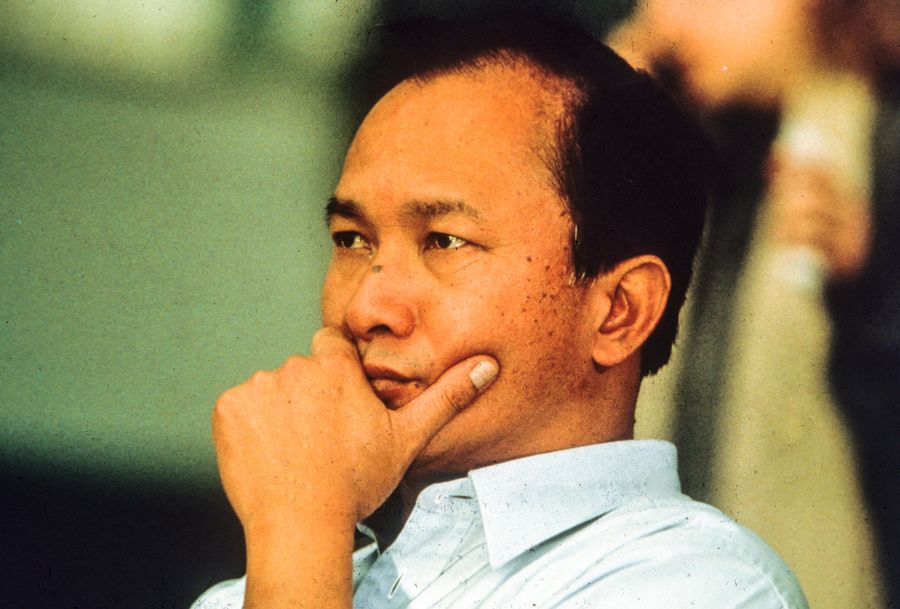
John Woo discusses his greatest action influences

He might be one of the most influential action directors to be name-checked by everyone from Quentin Tarantino and Robert Rodriguez to John Wick steward Chad Stahelski as one of the biggest driving forces behind the way they stage set pieces, but even John Woo has to draw his inspirations from somewhere.
The release of A Better Tomorrow in 1987 marked the first of several collaborations alongside star Chow Yun-fat, with spiritual successors including The Killer and Hard Boiled marking the duo out as the poster boys for the rise of Hong Kong’s “heroic bloodshed” genre. They may not have been its architects, but their regular forays into balletic gunplay and bullet-riddled chaos nonetheless established them as its marquee names.
Venturing into Hollywood in the early 1990s with Jean-Claude Van Damme vehicle Hard Target, Woo reached new commercial heights through Broken Arrow, Face/Off, and Mission: Impossible II before diminishing critical and box office returns with Windtalkers and Paycheck saw him abandon American cinema altogether for 20 years until the release of wordless Joel Kinnaman revenge thriller Silent Night.
Beyond the abundance of slow motion and the presence of soaring white doves, Woo’s signatures include frequent Mexican standoffs, heightened shootouts, and the liberal use of bullet casings and blood squibs. Several of these aesthetic traits can be traced back to one film in particular, with the director naming Sam Peckinpah’s The Wild Bunch as a movie he sought to emulate in terms of how its action was choreographed, executed and staged.
Talking to Letterboxd, Woo expanded on how formative the classic Western proved to be when he was an up-and-coming creative: “In Hong Kong, there are not so many rules. You can do whatever you want, so all the explosions and everything is so big, you know, and pretty dangerous, and we shot everything with no CG. But in America, everything got to be tuned down, and everything needed to be very careful to execute it. When I was young, I had so much admiration of Sam Peckinpah.”
Outside of violent fare, Woo went on to note that as well as being influenced by his filmmaking mentor, a style of cinema he’s never dabbled in before proved to be fundamental in his approach to turning high-octane sequences into an artform: “And then also, I learned a lot from my master, Chang Cheh in Hong Kong. And he was a pioneer of making the martial arts movies. Besides that, I was so crazy about musicals. I learned so much and got so much inspiration from the musical. So where I am choreographing the action sequence, I feel like I’m making a dancing scene.”
Woo may not have taken the reins on a musical, but the way his heroes dive gracefully through the air and pirouette as a hail of gunfire and pyrotechnic carnage unfolds around them has seen him indulge his affection for the song-and-dance extravaganza in his own unique way.
