


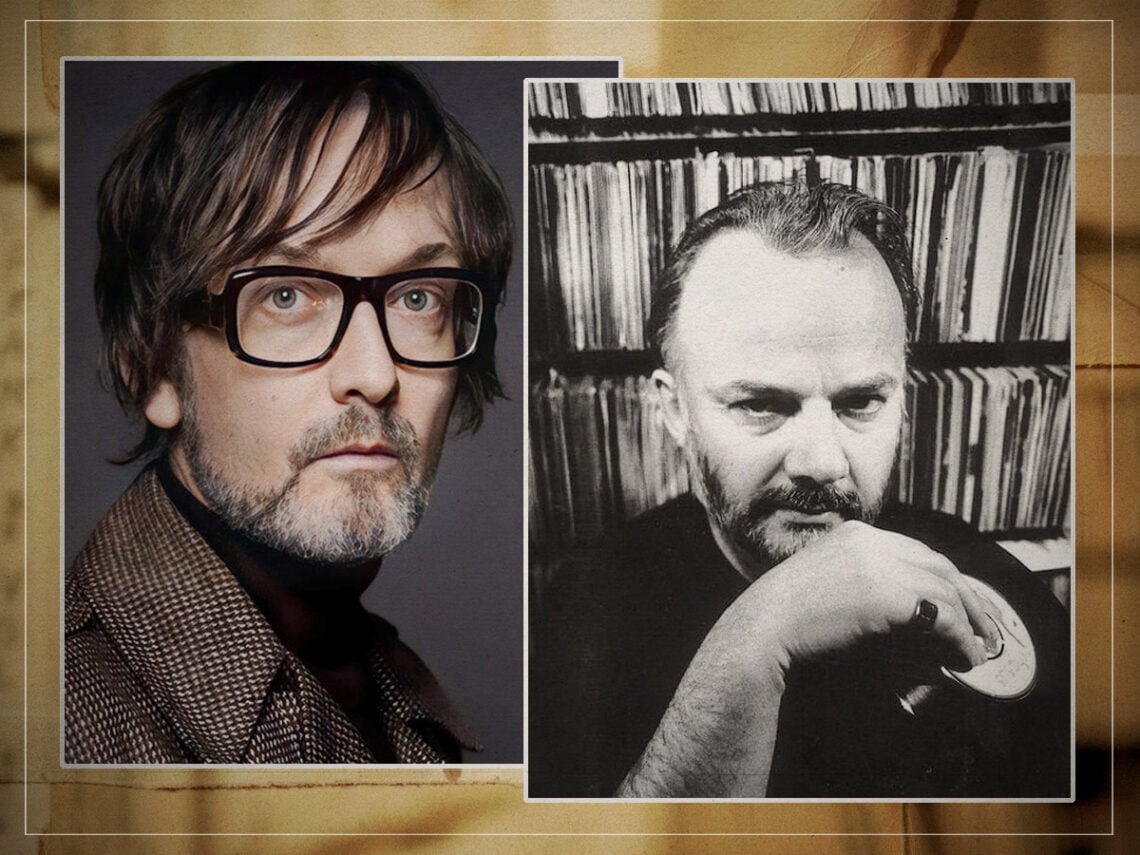
How John Peel changed Jarvis Cocker’s life forever: “This was it: the big time”

Radio DJs have always played an essential role in curating the best new music for their listeners, but John Peel took that role to entirely new heights. From his beginnings on pirate radio during the late 1960s, Peel tirelessly dedicated himself to the discovery and exposure of innovative and original new music. Along the way, the DJ gave countless now-legendary artists their start in the music industry, including Pulp frontman and King of Sheffield, Jarvis Cocker.
Pulp might have found mainstream relevancy during the Britpop boom of the mid-1990s, with smash-hit singles like ‘Common People’ and ‘Disco 2000’, but the history of the band stretches back much further than those breakthrough tracks. In fact, the origins of Pulp date all the way back to the advent of punk rock during the 1970s. A young Cocker had been captivated by the abrasive DIY sounds of Britain’s newly emerging punk scene, and it was John Peel’s radio show that first introduced the teenage songwriter to these defiant new groups.
With punk shunned by most other media outlets, the John Peel show was the place that young music fans across the nation could go to hear these revolutionary records. “I’d heard all about punk rock but couldn’t get to hear any, since the local radio station in Sheffield had deemed it ‘not real music’,” Cocker later recalled. One night I started twisting the dial, hoping that something would happen, and then – bang! – it did.”
After hearing artists like Elvis Costello for the first time on Peel’s show, Cocker quickly set about forming his own band, Pulp. First formed in 1978 by a 15-year-old Cocker, the band was virtually unrecognisable from the Britpop giants it would later become. Nevertheless, this early punk incarnation of the Sheffield band formed a vital part of their development. Before too long, their songwriter had the bright idea of getting Pulp’s music into the hands of John Peel in the hopes of being played on his show.
One of the things that made John Peel stand out from the rest of radio DJs was that he was tireless in his dedication to his listeners. Famously, the presenter would feel obligated to listen to every single demo tape, CD, or vinyl record that was sent his way by hordes of hopeful young groups. In fact, it was through these tapes that Peel discovered artists like The Undertones or The Fall, whom he went on to popularise across the nation.
Cocker managed to shove a tape into the hands of the DJ while Peel was performing at Sheffield Polytechnic. “I expected to have to fight through hordes of other local scenesters to make my presentation,” Cocker remembered, writing a tribute to Peel in The Guardian. “I mean this was the John Peel – but no, here he came, on his own, carrying his record cases.” The deed was done, Pulp was on the radar of John Peel for the very first time.
Although the music on that demo tape paled in comparison to the mastery of later efforts like This Is Hardcore or Different Class, Pulp had done enough to impress Peel. “We secured a session on his show, got photographed in our school uniforms by the local paper, and went to London to the Maida Vale studios we’d heard so much about,” Cocker recalled, adding: “This was it: the big time. Except, of course, it wasn’t.” The teenage band did get to record a few tracks for Peel, but their broadcast didn’t lead to the instant success and acclaim that had befallen other artists on Peel’s show.
“For every one of the bands who got their first break via a Peel Session and then went on to greater things, I guess there must be at least two or three who were never heard of again,” the songwriter theorised. Luckily, Pulp would realise those “greater things” in the following years, rising from a teenage band in Sheffield to one of the nation’s most recognisable and beloved groups. “The point was that Peel gave people a chance,” Cocker said.
After all, if John Peel had not shown the same level of support and kindness to that spotty schoolkid in Sheffield, Cocker might have entirely given up on his dreams of musical stardom. The DJ was never prejudiced in his approach to new music, and that meant he was able to uncover a wide range of incredible artists who might have gone unnoticed otherwise. Even if Pulp’s Peel Sessions didn’t exactly go to plan, he certainly gave the band a sense of hope to carry on.
