


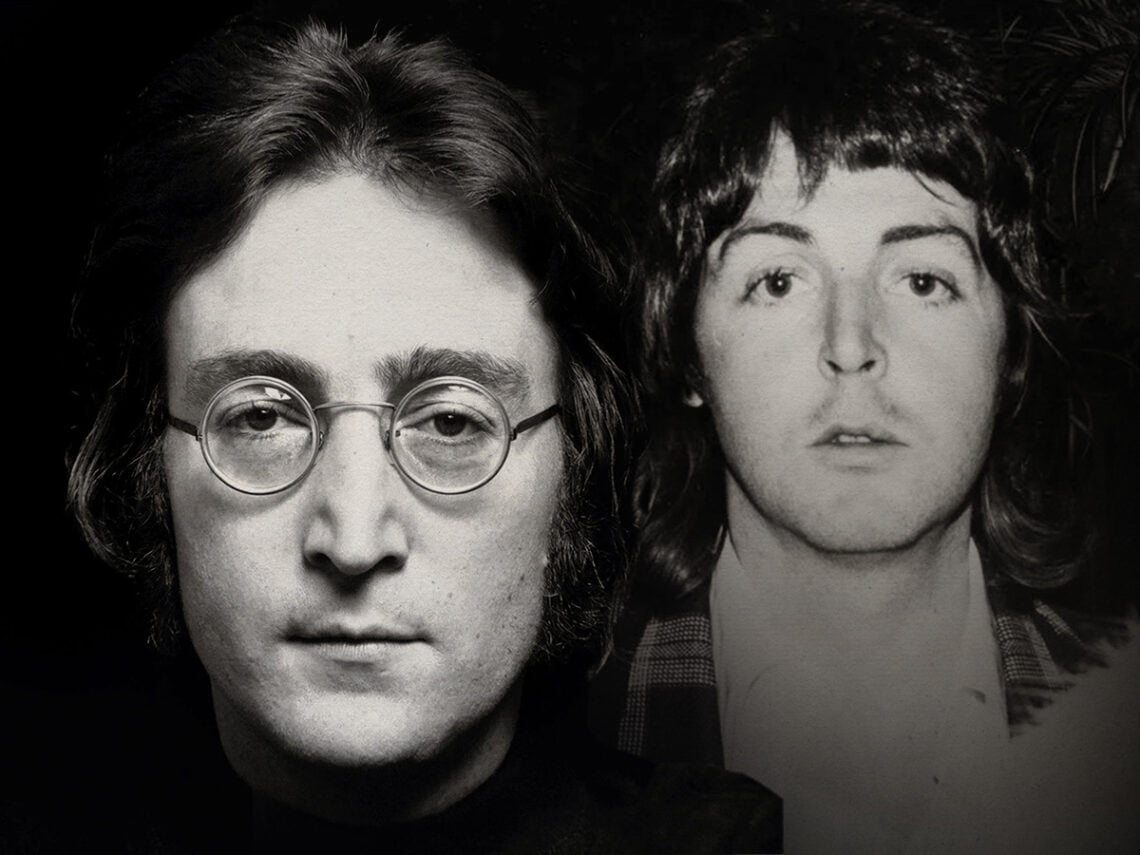
John Lennon was convinced that Paul McCartney tried to “destroy” his best songs

In the days following the November 17th, 1980, release of his long-awaited comeback album, Double Fantasy, most of the interviews John Lennon conducted focused on the same themes as the songs on the record, particularly the notion of “starting over“.
In a Los Angeles Times piece that autumn, in which Lennon was eerily described as having nearly been “a rock fatality”, the 40-year-old ex-Beatle talked openly about his regrets from the past decade, including his reckless drinking, self-destructive behaviour, and ill-advised recordings. He credited Yoko Ono and their son Sean for getting him out of the spiral.
“Without her, I’d probably be dead,” Lennon said, just three weeks before he was killed outside his New York apartment. “She was the one who literally said to me, ‘You don’t have to do this. You exist outside of the mud.’ My whole security and identity was wrapped up in being John Lennon, the pop star.”
Somewhat disappointingly, though, the new, improved, and reinvigorated John Lennon wasn’t completely out of the “mud” when it came to some of the bitterness he still carried about the past; a sad fact made far sadder by the limited time he had left to come to peace with these things.
During an interview conducted with Playboy magazine in the lead up to the release of Double Fantasy, Lennon was asked the usual string of questions about various loose ends from the Beatle era, and gave the familiar answers. No, ‘Lucy in the Sky with Diamonds’ wasn’t about LSD, somehow. And yes, ‘I Am the Walrus’ was inspired by an acid trip. Somewhere during this song-by-song stroll down memory lane, however, Lennon couldn’t help but start taking shots at his old songwriting partner again.

“I think, subconsciously, we…” Lennon started to say, speaking about the song ‘Across the Universe’, but then he stopped himself and decided to be more specific. “I thought Paul subconsciously tried to destroy my great songs,” he added.
“We would play experimental games with my great pieces,” John continued, “Like ‘Strawberry Fields’, which I always felt was badly recorded. It worked, but it wasn’t what it could have been. I allowed it, though. We would spend hours doing little, detailed cleaning up on Paul’s songs, but when it came to mine, especially a great song like ‘Strawberry Fields’ or ‘Across the Universe’, somehow an atmosphere of looseness and experimentation would come up.”
Most Beatles fans, including the staunchest Lennon devotees, would say that the recognised album cuts of ‘Strawberry Fields’ and ‘Across the Universe’, while certainly having a looseness and experimentation to them, also benefited from it. As John apparently saw it, though, part of his own appealingly strange or raw sound as the “intellectual Beatle” wasn’t actually achieved by design, but due to Paul’s evil schemes to undercut him. The irony is that, in a way, that would make Paul McCartney the true maestro of the “John Lennon sound”, an idea that certainly would have made the latter seethe even more.
“Paul will deny it, because he has a bland face and will say this doesn’t exist,” Lennon continued, seemingly unable to let the subject go. “This is the kind of thing I’m talking about where I was always seeing what was going on and began to think, ‘Well, maybe I’m paranoid.’ But it is not paranoid. It is the absolute truth.”

Playing devil’s advocate, it’s certainly plausible that McCartney was less invested in John’s songs than his own, and in the midst of creative competition and one-upmanship, he could have attempted to lead Lennon astray on occasion, consciously or subconsciously. What Lennon’s theory discounts, though, are the other people in the room: namely, George Harrison, Ringo Starr, and a fellow named George Martin.
These men were the guardrails preventing the Lennon-McCartney hit-making train from completely flying off the tracks or collapsing under the weight of its own self-admiration and petty rivalry. They might not have been able to control the direction of a recording session quite the way Paul could, but they certainly weren’t going to sit idly by and let a good song get sabotaged in broad daylight.
In his own defence, McCartney was quick to point out that Lennon “was always thinking I was cunning and devious,” as he told Beatles biographer Hunter Davies, noting that John had also suspected him of conspiring against him when it came to investing in the band’s publishing company, Northern Songs Ltd. “John went mad, suspecting some plot. Then he bought some [shares].”
Lennon should have had decades ahead of him to work through these issues and to come to some sort of better understanding with McCartney about the thoroughly unique journey they’d experienced together. Unfortunately, his final statements about their working relationship were fairly vindictive ones.

Never Miss A Beat
The Far Out Beatles Newsletter
All the latest stories about The Beatles from the independent voice of culture.
Straight to your inbox.