


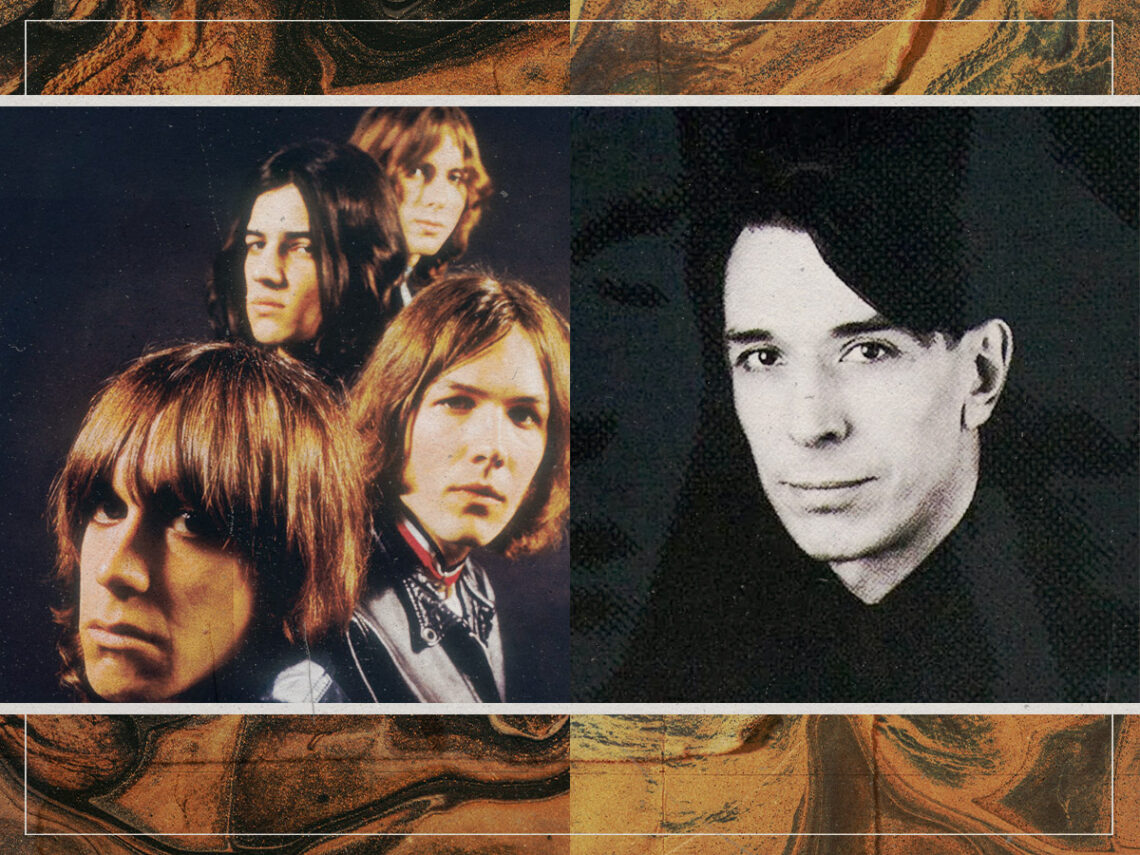
The Stooges and John Cale collaboration that Elektra rejected

Although it is difficult to pin down the exact figures who paved the way for modern alternative rock and punk music, two artists whose influence is utterly unavoidable are John Cale and The Stooges. The co-founder of The Velvet Underground pioneered a specific style of experimental rock music. Meanwhile, Iggy Pop and The Stooges moved the focus away from the lovey-dovey hippie age to something much more raw, aggressive, and poignant. You would think, therefore, that a collaboration between these proto-punk titans would be a match made in rock heaven.
It almost goes without saying that, without the pioneering music of John Cale, alternative rock, punk, and experimental rock would be virtually unrecognisable. Through forming The Velvet Underground alongside Lou Reed in 1964, Cale laid the groundwork for countless future artists to follow in his path. Without Cale or The Velvet Underground, there would be no David Bowie, no Sonic Youth, and no Brian Eno. In fact, the entire landscape of alternative rock would look virtually unrecognisable without his groundbreaking influences.
If anybody could rival the influence of John Cale, it would be The Stooges. Following the psychedelic hippie age of the 1960s, the Iggy Pop-fronted band pioneered a particularly abrasive style of garage rock that blew open the doors for later punk, post-punk and alternative rock bands. Prior to the release of their eponymous debut album in 1969, audiences and record label execs had never previously been exposed to such an energetic, distorted, or aggressive style of music.
Given the fact that nobody had pursued a sound like The Stooges before, music producers were at a loss with how to work with the band. In answer to this quandary, Elektra Records brought on board the only person they knew could handle something so strange and experimental: John Cale.
The label believed Cale would be up to the task as he had just produced The Marble Index, a stunning avant-garde record by previous Velvet Underground collaborator Nico. So, Elektra put the producer onto The Stooges project, leaving him to make sense of Pop’s aggressive ramblings.
This is where the story becomes a little hazy. The final mix of The Stooges’ debut, which we have all heard, lists Cale as a producer, but that is not the mix that he created for the band. Instead, the final mixing and production work was carried out by Iggy Pop alongside Jac Holzman, president of Elektra Records. Reportedly, the original mix of the album, completed by John Cale, was deemed too raw and too abrasive for mainstream audiences, so Holzman stepped in to tone things down a bit.
Anybody who has listened to the album can attest to the fact that it is already pretty powerful and awash with distortion in its published form. So, for years, fans were left to imagine the depravity and chaos captured within Cale’s mixes. Luckily, this original mix of the album was later released to the masses via CD bonus tracks and an eventual full release in 2020. Like virtually everything created by Cale, his mix of the album was far ahead of its time, predicting the kind of sounds that punk and post-punk producers would strive for in the decades that followed.
Ultimately, it did not matter that Cale’s mix of the album was replaced; the album was a commercial bomb anyway. Mainstream audiences of 1969 simply were not ready to hear the sound of Iggy Pop and the anger he had to express over a life in Michigan with no prospects. Much like John Cale and The Velvet Underground, however, The Stooges seemed to fall into the hands of everybody who needed them, catalysing the boom of powerful and aggressive rock music which would dominate popular culture years later.
