


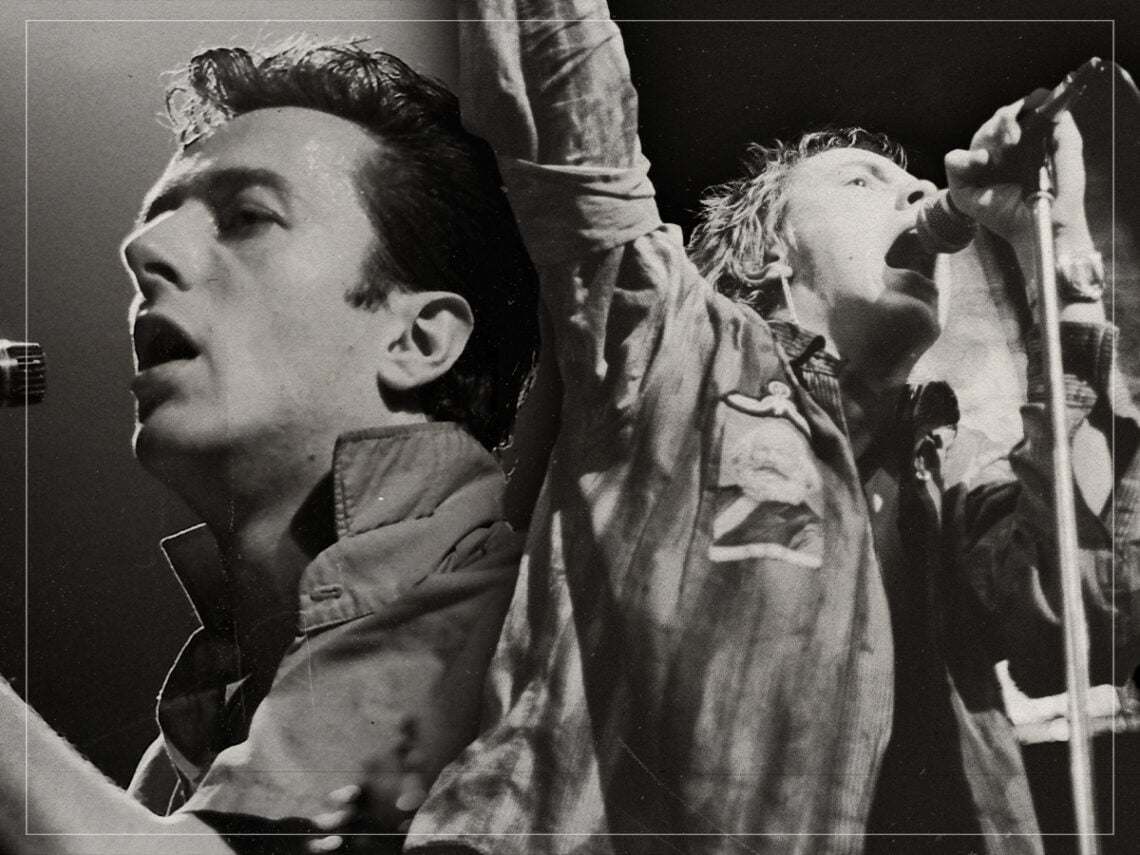
“That shows how crazy they were”: Joe Strummer on the moment that marked the end of the Sex Pistols

There is a common pipeline that time and time again, we watch our favourite stars fall. In the 1970s, Joe Strummer watched the start of it as some of his own inspirations, or even his own peers, were lost.
To highlight the point, let’s look towards modern music. When Arctic Monkeys first broke out, their magic lay in their normality. Alex Turner was writing tunes about teenage boys on nights outs down their local pub. It was all distinctly Northern and distinctly relatable with bar brawls and losing your girlfriend and getting drunk with your mates.
Then, that made them famous. Suddenly, those songs of the average life had them out in America, living in expensive hotels, dating it-girls and models. They had money and celebrity status, and a few years on, when they returned to their home of Sheffield for a run of shows, someone hung a flag on Hunter’s Bar, a place they’d once sung of, that read, “Hey Alex, how’s LA?”
It’s relevant because it happens time and time again. Artists get famous because of their ability to write beautifully about days-to-day life, or the experience of the everyman, but then that fame is exactly what removes them from that experience. It’s impossible to keep writing songs for working-class heroes if you’re now rich and famous.
“We’d got so involved in the lifestyle of the group that we no longer had lives to write about,” Joe Strummer admitted of his own life, too, in the 1970s. All around him, artists were being plucked out of obscurity, praised for their normalcy and then given a life far from normal. He watched it happen over in the States as he said, “I think Bob Dylan feels that today, being singer-songwriters, he hasn’t really got a life to write about, it’s too far removed from people’s ordinary experience”.
But even amongst his own peers, he saw the Sex Pistols as the ultimate victim of this. The whole point of the band was that they were just four lads saying it how it was and singing about the world around them, but then, when they fell into a drug stupor prompted by new money and new access to a different world, Strummer said, “The Pistols didn’t write much either after a while”.
In his eyes, though, their fault came early. He chalked it up to them firing their original member, Glen Matlock, claiming that was the moment they were lost to the sparkling world of music, as he recalled, “After they sacked Matlock, that was the end, because Matlock was the tunesmith”. Despite being the driving force behind the songs that would make them big, in Strummer’s eyes, the band fired Matlock out of nothing but newfound ego.

To him, Matlock represented their normality and relatability. He wasn’t as off the deep end into punk as they all were, and was more sensible when it came to the business decisions and lifestyle balance of the band. But in 1977, already falling down the rabbit hole, the rest of the group fired him.
“That shows how crazy they were,” Strummer said, “just because he liked The Beatles, they sacked him”.
