


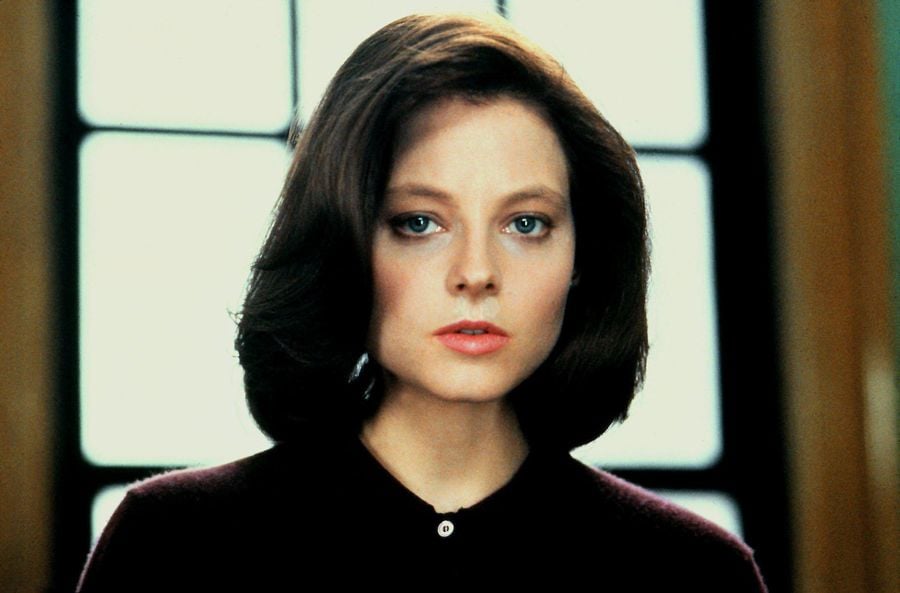
Jodie Foster on how fear is the “core emotion that creates every choice”

Jodie Foster ought to know a thing or two about fear, having starred in The Silence of the Lambs opposite Anthony Hopkins as the terrifyingly haunting locked-up serial killer Dr. Hannibal Lecter. Reflecting on the core principles of cinema, Foster recently opened up on the nature of fear and how it can make a profound impact on our everyday lives.
Asked what fuels her decision-making, Foster replied: “Lately, I’ve really understood in a really personal way how fear is the core emotion that creates every choice for us.” She then went on to explain how her mother, who suffers from dementia, had been stripping back what had caused her to retreat from socialising.
Foster said: “What we got back down to was this core of fear. Everything was about fear – to see how much fear is essential in who we are as animals is amazing. My mom is a huge part of my life, the most significant relationship in my life that will ever be. She is my work life, and that whole process from birth until the time that you say goodbye, I really understand from both sides, from a daughter’s side and also from having two children.”
That parental fear, Foster notes, is an essential part of living and can inform the choices, not only that we make, but those that our children make too. “Wanting to protect your children, I think, that lives in our DNA,” Foster added. So, clearly, Foster feels that the instinctive animalistic fear response within us is actually imperative to our very nature as human beings.
Then making a reference to the first film that she directed, Foster reiterates the importance of family in confronting that fear and using it as a positive means. “I look at a film like Little Man Tate, a movie about a mother and a son, and that is a specific relationship. I would say that one of the aspects of a mother and son relationship that is so interesting to me is how romantic it is.”
Little Man Tate is indeed Foster’s directorial debut. The 1991 film features Adam Hann-Byrd as a young child prodigy who finds it challenging to adapt socially. Young Fred Tate is unable to find room for his beyond-human talents because the psychological and social settings that he is placed in do not allow for someone like him to thrive.
Discussing the central theme of the film and its relation to fear and parenting, Foster said: “There is something about raising somebody who will become one of the most powerful people in the universe. Raising a herald for the next generation, a prodigy, somebody who is the new messenger for the next generation. He is an outcrop of that, you know? You’re raising them from infancy, and that awe in front of this child that you are raising in their differentness, and how different they are.” So while that fear can delimit us, it can also make our lives worthwhile.
