


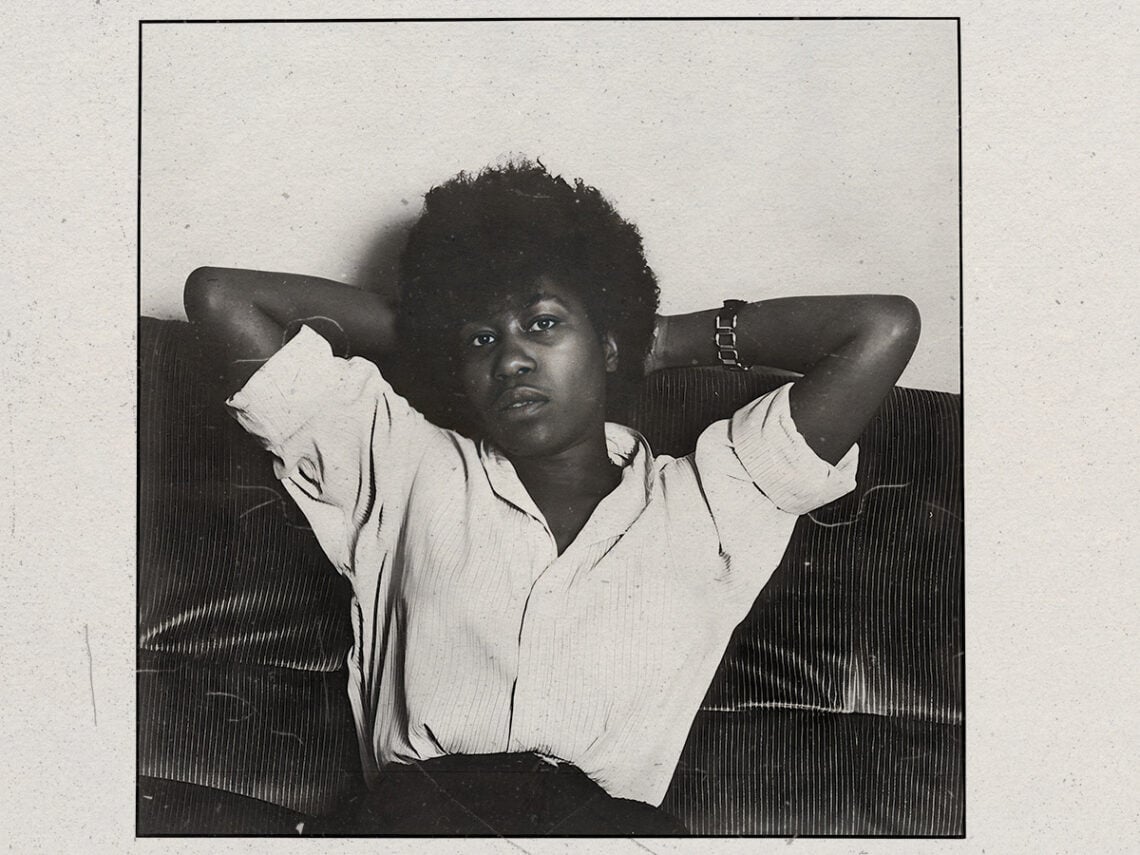
‘Rosie’: Joan Armatrading’s look at Time Square’s dark past

New York City has long been the source of creative inspiration for many a songwriter. Birthing punk, disco, and hip-hop, plus seeing their cultural cross-pollination on the Lower East Side’s early 1980s heyday, an artistic heritage which fuels Lower Manhattan’s rapid gentrification of late. Among Lou Reed, Russ Ballard, Frank Sinatra, and Wu-Tang Clan, who have all sought to score the city’s unique character, Saint Kitts and Nevis-born but Birmingham-raised singer-songwriter Joan Armatrading also had a hit informed by the City’s dramatic energy.
New York City was a very different place back in the 1970s. Before Times Square’s ‘Disneyfication’ and the ruthless corporate development that drove out the bohemians and artists that made the Big Apple so exciting in the first place, the city was struck with economic paralysis and a high crime rate. While urban decay and its effects on working-class communities are never to be romanticised, New York’s nominal rents and accessibility were attractive to creatives, able to hone their craft and formulate the ‘scenes’ that would dominate the 1980s.
Armatrading’s 1979 song ‘Rosie’ was directly inspired by her time in New York. Released as a stand-alone single in the UK but appearing on the How Cruel EP for American audiences, the bright, upbeat pop of ‘Rosie’ belies its subject matter, Armatrading recounting the cut’s inspiration to Songfact in 2015.
Recalling: “I was in New York, and I’d just seen somebody off at the airport. I got into a taxi, and I was talking to the taxi driver, and he says, ‘Have you ever seen…’ whatever this place was in New York. And I said, ‘No, I haven’t.’ So, he took me to this place, and it’s a view that I’ve never seen before because I don’t even know where it was, so I can’t even say to somebody, ‘Take me there again.'”
Armatrading continued: “Anyway, it was a view that allowed me to see a lot of the city and all the lights and everything. And then he said, ‘Have you ever been ’round 42nd Street and Broadway and all that area.’ And, at that point, I hadn’t really. So, he said, ‘I’m going to take you ’round.'”
42nd Street at this time was well-known for its proximity to the city’s Red Light District. As documented in films like Taxi Driver or early Abel Ferrara movies, this section of Manhattan was a popular hangout for sex workers or those seeking illicit adult material, an environment where young boys like the titular ‘Rosie’ may have navigated, a piece of the city easier to flaunt your gender and sexual non-conformity.
“So, he drove me all around there. And I think it was 42nd Street or a street like that, there were all these gay guys, and they were in their little shoes and their little shorty shorts. And that’s where I got ‘Rosie’ from, watching all the young boys in their kind of Rosie gear. And, I have to say, the taxi driver didn’t charge me any more than I paid for going to the airport.”
It’s an interesting vignette of a moment in Times Square’s history that feels like a universe away from the hyper-consumerist, sanitised tourist trap it now is.
