


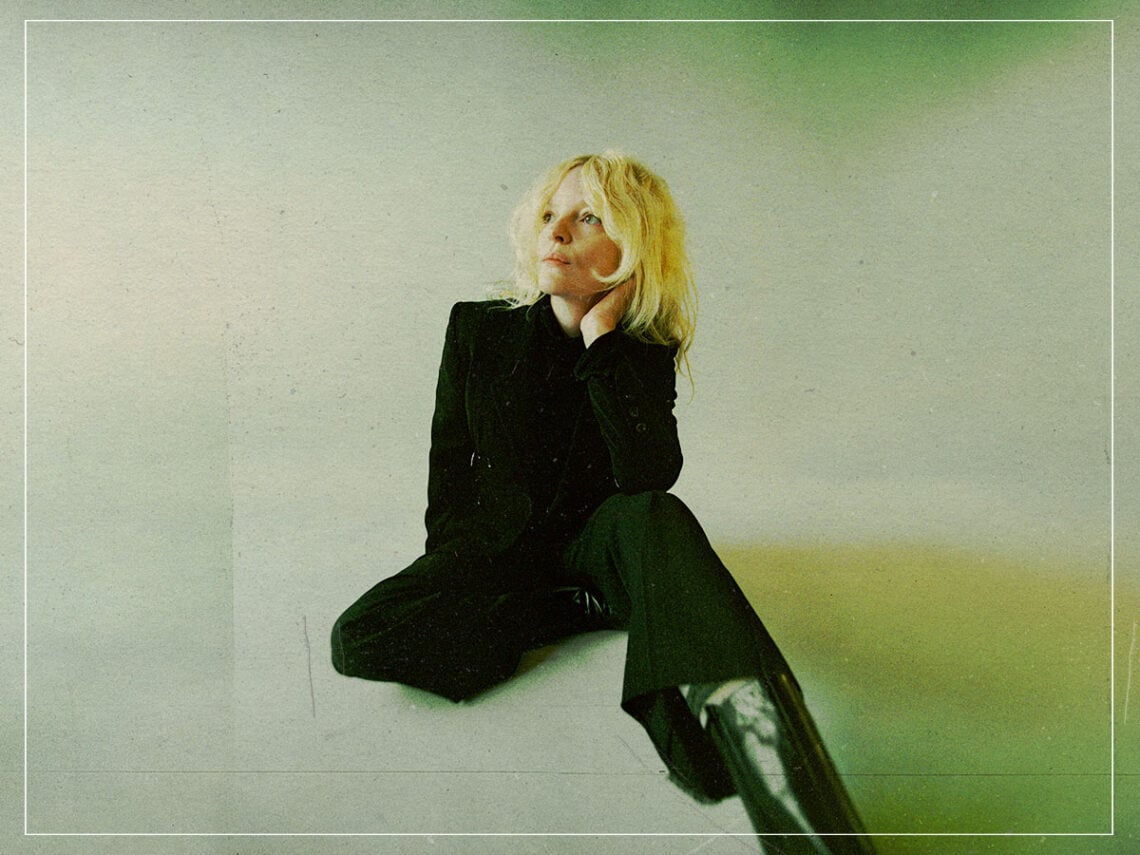
Jessica Pratt on streaming: “Niche things maybe have more of a chance of getting out there”

Few developments have transformed the modern music industry quite like the boom of streaming. Almost two decades on from the creation of Pandora, streaming has become the most accessible way to listen to music, leaving physical formats in the dust. Everyone, from artists to listeners, has had their say on whether this development is a good thing – and California-born folk singer Jessica Pratt is no exception.
Pratt has honed a sonic style that sounds like it could have pre-dated the streaming era by decades, and nowhere is this more apparent than on her latest full-length offering, Here in the Pitch. A swirling collection of 1960s-inspired harmonies, the record maintains the feeling of an old-timey radio even if you’re listening to it through Spotify.
Still, despite her vintage sound, Pratt exists within the streaming age and, as such, has her own thoughts on the growing prevalence of the listening format. During a recent conversation with Interview magazine, the singer-songwriter considered the advantages and disadvantages of having millions of songs at your fingertips, ready and waiting for you to hit play.
“Not to sound like an old fogey,” she stated, “but as we were saying, we had these rare childhood joys, and buying a CD was this tangible object with magical properties and you really worshipped the thing.” Pratt wondered if this sense of obsession with a song, an album or an artist has been lost to the streaming age, where it has been reduced to a repeat button.
Some may argue that the intention behind music listening has been lost to the streaming age. Fans no longer have to make their way to the record store, spend money on the music they want to listen to in a physical format, and drop a needle onto it with purpose. Perhaps this has removed how much we treasure the music we listen to and how much attention we grant it. Without monetary investment, it’s much easier to skip onto the next track when boredom hits.
Still, musical obsession does still exist in the streaming age. Diehard fans will play their idols’ music to death, as exemplified by Spotify Wrapped each year, but perhaps it’s a more rare experience now, limited to the most devoted listeners. Still, Pratt did acknowledge some of the advantages of the rise of streaming for artists themselves.
Streaming has levelled the playing field for artists somewhat, allowing anyone who makes music to upload their music for audiences to find and fawn over. Independent artists no longer need to have industry connections or win the attention of labels to get their music out there, which Pratt suggests has allowed stranger music to thrive.
“Experimental things or more niche things maybe have more of a chance of getting out there now,” she suggested, “but there’s also no real surefire form of income.” While it’s true that more unsuspecting artists have achieved success through the rise of streaming – such as bedroom pop artists – it’s also true that they don’t get the compensation they once would have. It seems more difficult than ever to hone a sustainable career in music.
The rise of streaming, the niche playlists and accessibility it allows for, has enabled artists who might never have gained label attention to find their own audiences. But to maintain those careers, streaming services need to ensure that artists are being paid fairly.

Never Miss A Beat
The Far Out Music Newsletter
All the latest music news from the independent voice of culture.
Straight to your inbox.