

A timeline of John Lennon’s final 24 hours
Read More


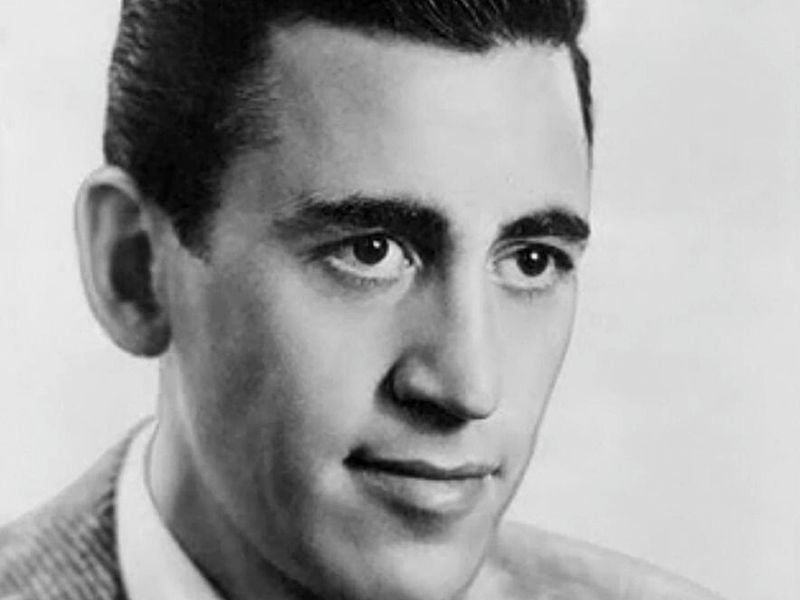
Almost every person that reads The Catcher in the Rye for the first time logs onto the internet after finishing the book to look for a competent film adaptation. During these online endeavours, they realise that virtually no works by J.D. Salinger have been adapted to the cinematic medium which is a curious revelation considering the prominence of Salinger’s literary legacy.
While Salinger’s oeuvre consists of several brilliant short stories and anthologies but his presence in popular culture is largely defined by the unprecedented success of his coming-of-age classic The Catcher in the Rye. A document of the fundamental alienation and disillusionment inherent in the modern youth condition, the book became a New York Times bestseller and attracted the ire of many conservative parents.
What’s more, it also inspired Mark David Chapman to assassinate John Lennon, an incident that has since become an integral part of the book’s legacy. All of these developments made Salinger much more reclusive and he retreated from the public eye, continuing to produce other masterpieces such as Franny and Zooey while fighting off filmmakers who wanted to adapt his books.
Salinger was approached by masters such as Billy Wilder, who wanted to make a film on The Catcher in the Rye and even to this day, Steven Spielberg maintains an active interest in acquiring the film rights. However, Salinger had decided that he would never sell the movie rights for his works after a terrible experience and his estate has respected his wishes.
During the early ’40s, Salinger did think about letting filmmakers adapt his works and even expressed the same in a personal letter to Whit Burnett where he claimed that selling the rights to some of his works would ensure future financial stability. Some Hollywood producers were looking to make a film on his 1943 short story The Varioni Brothers but nothing came to fruition.
That’s exactly why Salinger was so excited when Samuel Goldwyn offered to buy the rights for another short story called Uncle Wiggily in Connecticut. Before the film came out, the writer reserved hopes that it would be a good adaptation but all his hopes were dashed when My Foolish Heart was released in 1949.
Directed by Mark Robson, it was a critical failure and disappointed Salinger deeply because the film’s narrative was nothing like the short story and was even referred to as a “bastardisation”. After going through such an experience, Salinger made up his mind to never relinquish artistic control like that ever again even when Brigitte Bardot offered to buy the rights to his short story A Perfect Day for Bananafish.
Salinger never wavered on his stance and expressed his anger when Iranian filmmaker Dariush Mehrjui made an unauthorised adaptation of Franny and Zooey in 1995 called Pari. Although Mehrjui had no legal problems screening it in his country, Salinger asked his lawyers to prevent the film from being screened at the Lincoln Center in 1998 which suggests that he never really got over the heartbreak of My Foolish Heart.
