


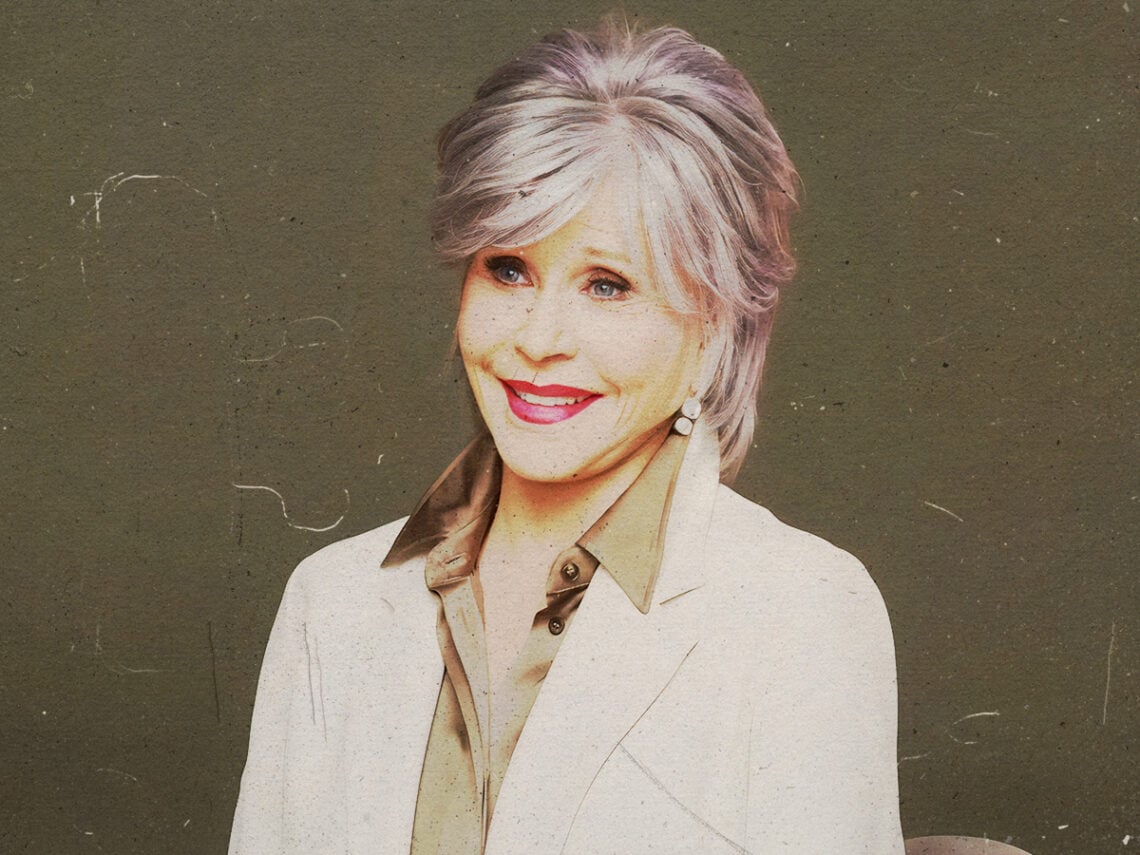
Jane Fonda explains why she sued President Richard Nixon: “I was followed for a number of years”

Among the few Hollywood actors who became known as much for their off-screen activism as their on-screen performances, Jane Fonda is a great example of an icon who used her platform to fight for the causes she believed in. Unfortunately, along with that amount of public attention also comes the possibility of being targeted by the government, which she experienced herself.
As a rule of thumb, if John Wayne says that you should be “terribly ashamed”, you’re probably doing something right. Often mockingly called “Hanoi Jane” by American conservatives who were rattled by Fonda’s public and vocal protests against the Vietnam War, the Klute star dedicated a lot of time to anti-war, feminist and environmental causes throughout her career.
While her actions inspired many people who harboured the same beliefs during the counterculture era, they also brought the government’s eyes onto her in an account that sounds almost unbelievably difficult. During a conversation with Interview Magazine, the American actor opened up about how she was systematically intimidated by Richard Nixon’s regime.
Fonda said: “I sued the Nixon administration for doing a number of things. It was the first time the CIA had gone into a citizen’s bank. They got my bank records. That had never happened before… My home was broken into. I was followed for a number of years. We had a lot of death threats. We had to have someone turn on our car remotely before we would get in it because we were afraid that bombs had been planted. It was an interesting time, to say the least.”
According to Fonda, there wasn’t an official blacklist like the one that was maintained during the McCarthy era, but she found herself on a different kind of list of names that studios were hesitant to work with. She also recalled that, at one point, she was personally banned from Maryland by the governor, who also declared that her movies were not allowed to be publicly screened in the state.
The actor added: “It was called a COINTELPRO. A counterintelligence program that was used against me and Angela Davis, a lot of the Panthers, and a lot of anti-war activists at the time. I think they felt I was this white, privileged young woman that they could scare away. But the more they did it, the more I dug my heels in and refused to be intimidated.”
Despite the government’s best efforts to suppress any protests against it during that time, the period is now defined by the administration’s many failures and the bravery of the people who had the guts to speak up in an authoritarian atmosphere. Fonda herself weathered the storm and managed to continue her immensely successful career, adding more memorable movies to her already iconic legacy.
