


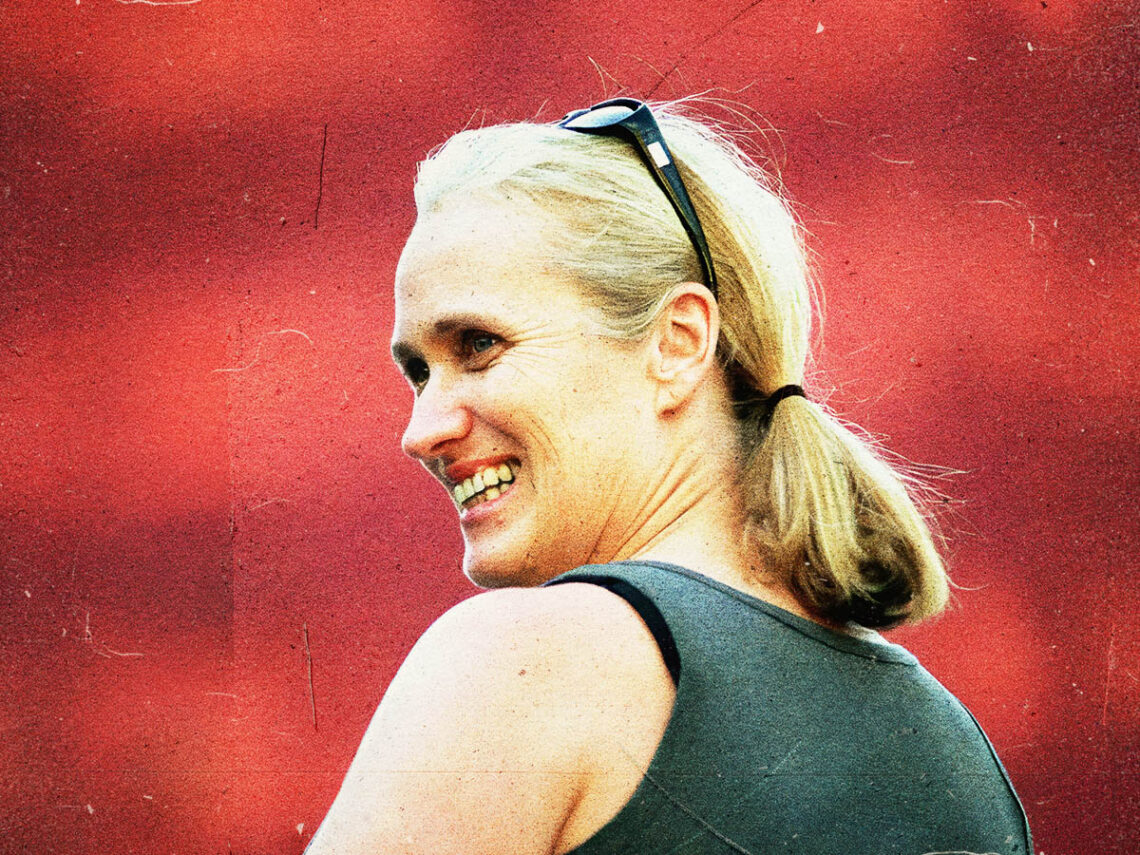
Jane Campion explains why she regrets the ending of ‘The Piano’

There’s much to love about Jane Campion‘s stunning third film, The Piano, which hit screens in 1993. Set in the 1800s, The Piano follows Holly Hunter’s Ada McGrath, a mute Scotswoman who travels to New Zealand with her young daughter, Flora. Here, she is forced by her father to marry a frontiersman named Alisdair Stewart, played by Sam Neill.
However, upon her arrival, Alisdair is reluctant to allow Ada her piano, which she uses as her main form of communication and expression. Desperate not to be separated from her instrument, Ada asks George, one of Alisdair’s neighbours, to reunite her with it. It doesn’t take long for an attraction to form between the two of them, with Ada engaging in a sexual relationship with George while rejecting Alisdair’s advances, both physically and emotionally.
This only makes Alisdair furious, and, in one shocking scene, he chops off one of Ada’s fingers, severing her connection to her piano. Even worse, he forces Flora to deliver the finger to George as a warning to stay away. Yet, in the end, none of Alisdair’s oppressive behaviour works in his favour, and Ada and George sail off together.
However, in the film’s iconic end scene, Ada makes the decision to dump her piano overboard, allowing her leg to get caught in the rope, subsequently going down with it. As we watch with bated breath, Ada has a quick change of heart and returns to the surface. We then learn that Ada has started a new, happier life with George and Flora, although she occasionally imagines herself at the bottom of the sea with her discarded piano.
While this ending adds a slight dark cloud to Ada’s happy ending, Campion has since revealed that she wishes she had the guts to make The Piano even bleaker. In an interview with The Radio Times, she explained that she wanted Ada to drown with her piano at the film’s end. She said: “I thought some of it was really good, but I thought, ‘For freaking hell’s sake, she should have stayed under there.’ It would be more real, wouldn’t it, it would be better? I didn’t have the nerve at the time. What if Ada just went down, she went down with her piano – that’s it.”
However, Hunter disagrees with Campion’s belief that the film would have been better that way. She argued: “That was something Jane toyed with when we shot the movie, to end it there. And she’s still thinking about it! Me, I love that it’s a reverie for Ada, not a nightmare or something that haunts her. It soothes her.”
Despite Campion’s regrets, The Piano ended up being incredibly successful. The filmmaker made history when she became the first female director to win the Palme d’Or at the Cannes Film Festival. Moreover, the widespread critical praise received by the film made it one of the most acclaimed releases of the year.
