


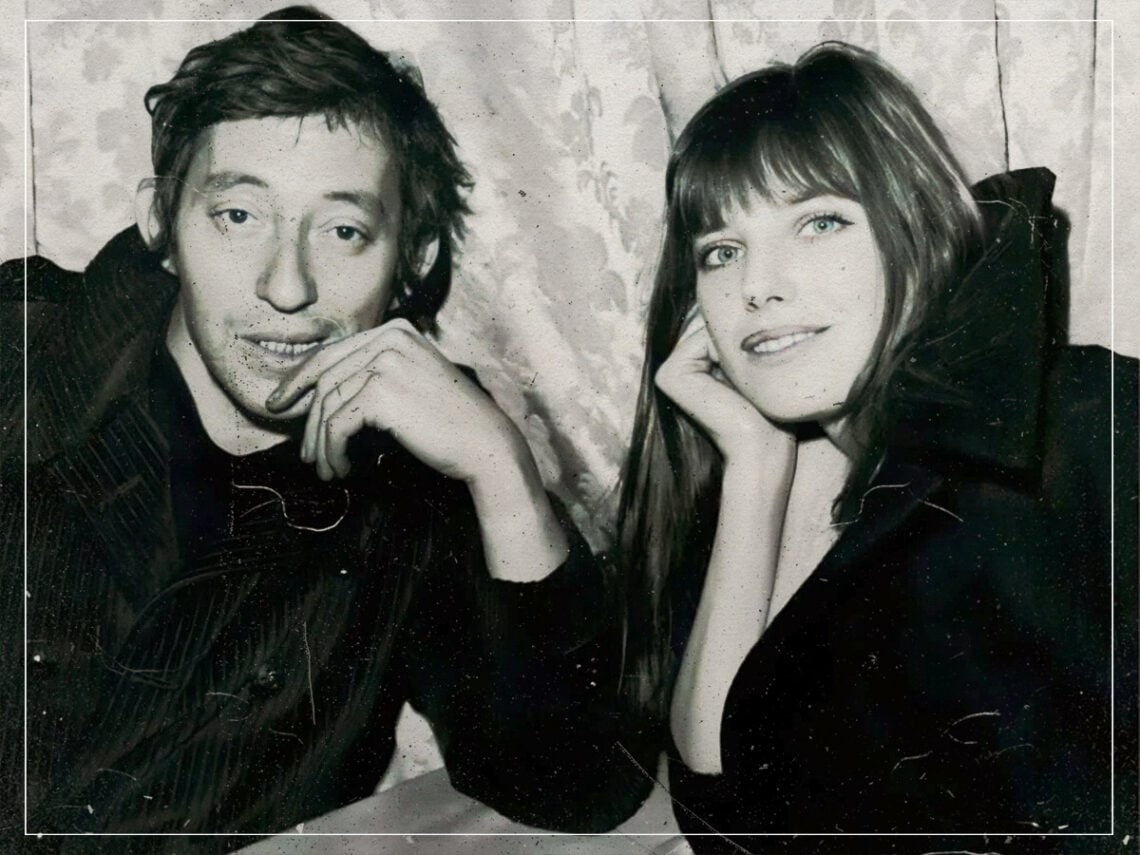
The Jane Birkin and Serge Gainsbourg song inspired by Salvador Dalí

Although many musicians championed sexual freedom during the 1960s, mainstream circles were still primarily opposed to it. Despite small factions of society seeking to change the course of time, many movie studios, record labels, and cultural institutions entrenched in traditional beliefs either censored or cynically exploited sexually explicit content. Serge Gainsbourg, well aware of the constraints within French popular culture, partnered with Jane Birkin to challenge societal norms by transcending boundaries through their music.
Following their encounter during the filming of 1968’s Slogan, Gainsbourg persuaded Birkin to collaborate on a duet he had penned a year earlier, titled ‘Je T’aime… Moi Non Plus’. Initially crafted for actor Brigitte Bardot, the recording was withdrawn from stores after Bardot’s husband learned of the affair between Bardot and Gainsbourg. Determined to release the song, Gainsbourg replaced Bardot with Birkin.
‘Je T’aime… Moi Non Plus’ showcased a multitude of whispered entreaties, soft murmurs, and explicit references to sexuality that were deemed considerably scandalous in 1969. The song’s provocative ambience and direct exploration of physical intimacy, encompassing both positive and negative aspects, instantly captivated audiences. Particularly striking was Birkin’s conclusion to the track, marked by audible breaths suggestive of sexual activities.
That’s because Birkin put her all into the performance. She recalled: “I got a bit carried away with the heavy breathing,” Birkin told The Daily Telegraph in 2009. “So much so, in fact, that I was told to calm down, which meant that at one point I stopped breathing altogether. If you listen to the record now, you can still hear that little gap.”
As a result, the song faced instant bans from numerous radio stations and record outlets upon its release in France in early 1969. Due to these bans, the scarcity of import copies hindered Fontana Records’ efforts to distribute the single across Europe. The song’s notoriety soared when the Vatican officially condemned it in L’Osservatore Romano. Despite acknowledging having pushed boundaries during the recording, Birkin expressed no regrets about her involvement in the song.
According to various reports, the song was also inspired by a famous Salvador Dalí quote, in which he says, “Picasso is Spanish, me too. Picasso is a genius, me too. Picasso is a Communist, me neither.” The title, ‘Je T’aime… Moi Non Plus’, appears as a play on this idea, translating to: “I love you…me neither”.
Interestingly, the uproar surrounding the song served it well, turning it into a highly sought-after single. Given the limited availability in record stores, Fontana Records struggled to meet the demand. However, as per a Record World magazine report, ‘Je t’aime’ had sold an estimated three million copies across Europe by October 1969.
