


How James Bond almost ruined Michelle Yeoh’s career: “I didn’t work for almost two years”

Being a ‘Bond girl’ can be a great opportunity to bolster your popularity profile in the acting industry, but it ended up being a major disruption for Michelle Yeoh’s career.
The James Bond franchise is among the most iconic and successful in the history of Hollywood, still going strong over six decades after the release of Dr No in 1962, and while there’s only a select group of actors who can claim to have landed the coveted role of 007, the series also employs impressive casts filled with talented performers.
The role of 007’s love interests, also known as ‘Bond girls’, has changed throughout the years, and although many of the early ones had ridiculous names like Pussy Galore or Honey Ryder, the franchise steadily began to grow more progressive in its depiction of female characters, of course never without some patriarchal problems.
Much of this change began in 1997 when Yeoh played the character of Wai Lin in Tomorrow Never Dies, the second Bond film to star Pierce Brosnan after Goldeneye, and unlike the previous Bond girls who existed solely to be placed in the middle of danger as eye candy in distress, Lin was a competent spy for the Chinese government who was just as skilled at espionage as 007 was.
While Tomorrow Never Dies wasn’t quite the success that it’s predecessor was, the chemistry between Brosnan and Yeoh was almost universally praised. It was the rare entry in the series where the two characters were on equal footing, which is perfectly represented within a great scene in which Bond and Lin are handcuffed together during a motorcycle chase.
Yeoh’s performance held up even better after the release of Brosnan’s third film, The World Is Not Enough, which was criticised for casting Denise Richards as the inappropriately-named nuclear physicist Dr Christmas Jones, and while Tomorrow Never Dies was a benefit to both Brosnan’s career and the series itself, Yeoh didn’t reap any benefits from her work. Even if her character had seemingly broken the mould of what a ‘Bond girl’ could be, she felt that she wasn’t being offered anything but caricature-esque parts in the immediate aftermath.
“At that point, people in the industry couldn’t really tell the difference between whether I was Chinese or Japanese or Korean or if I even spoke English,” Yeoh lamented to Variety regarding the rasicm she faced, adding “They would talk very loudly and very slow. I didn’t work for almost two years.”
It was because Yeoh “could not agree with the stereotypical roles that were put forward” that she found herself out of work in American cinema, but thankfully got the chance to star in an iconic film from China when Ang Lee offered her the lead role in Crouching Tiger, Hidden Dragon, a martial arts film inspired by classic Wuxia cinema.
Like the actor, Lee had also had some experience within English-language cinema, having directed the Jane Austen adaptation Sense and Sensibility, the Thanksgiving drama The Ice Storm, and the Civil War epic Ride the Devil, and while Crouching Tiger, Hidden Dragon was his first Chinese film since 1994’s Eat Drink Man Woman, it also ended up being both his biggest film to date and the most successful international language film of all-time in America, and gave Yeoh the freedom to tackle roles that were consistent with her own language and culture, meaning that she wasn’t forced to appease the expectations of her white male critics.
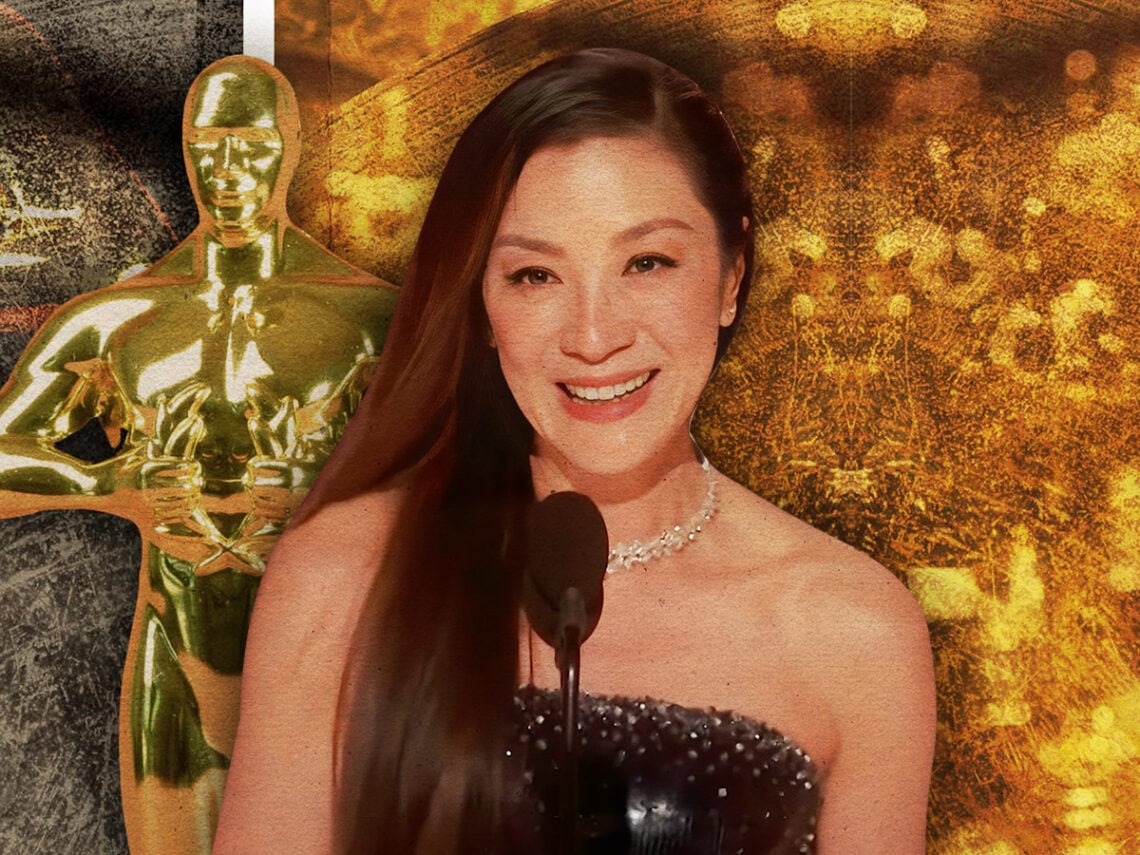
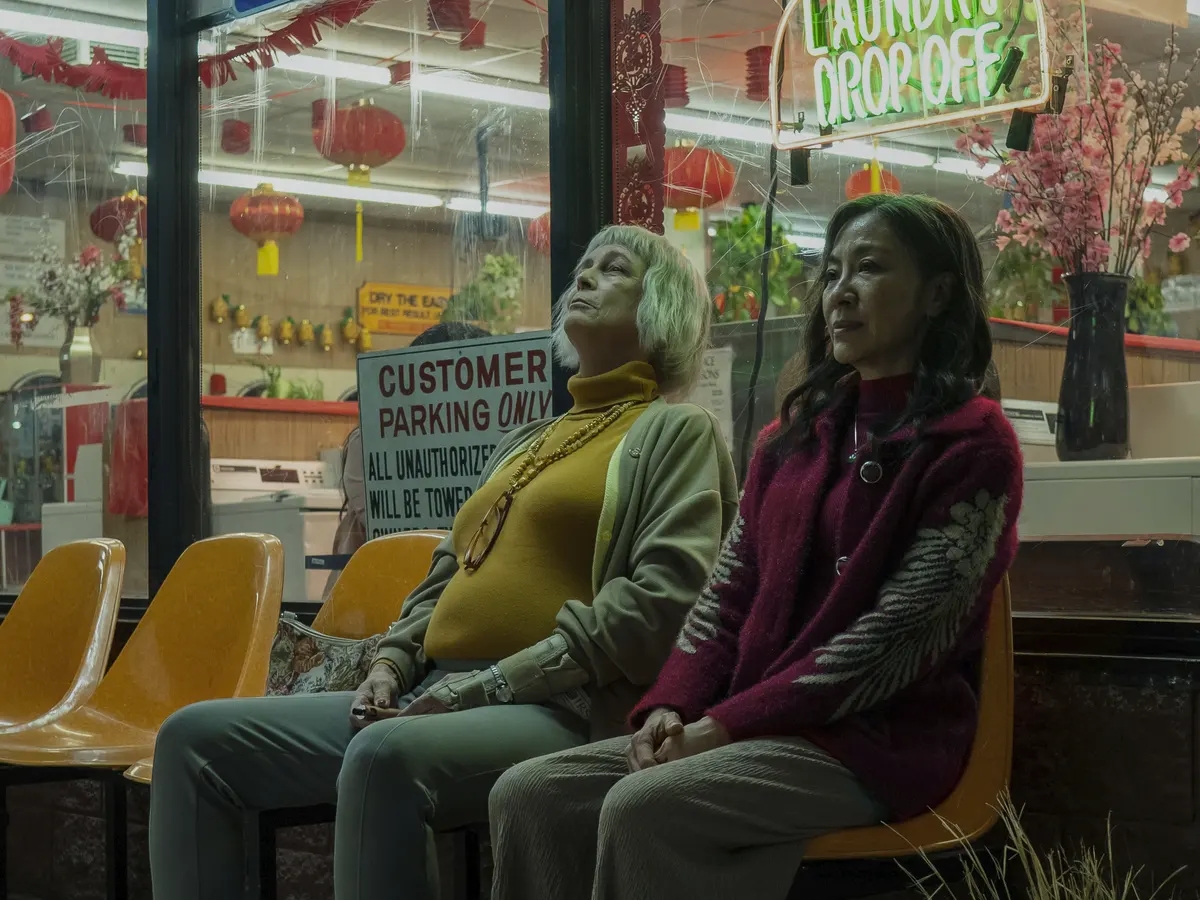
Her journey came full circle when she won the Academy Award for ‘Best Actress’ for Everything Everywhere All At Once, a science fiction action film in which she spoke Chinese. So while Bond may have slowed her down, she got the last laugh and applause to boot from those who dared make her feel small.
