


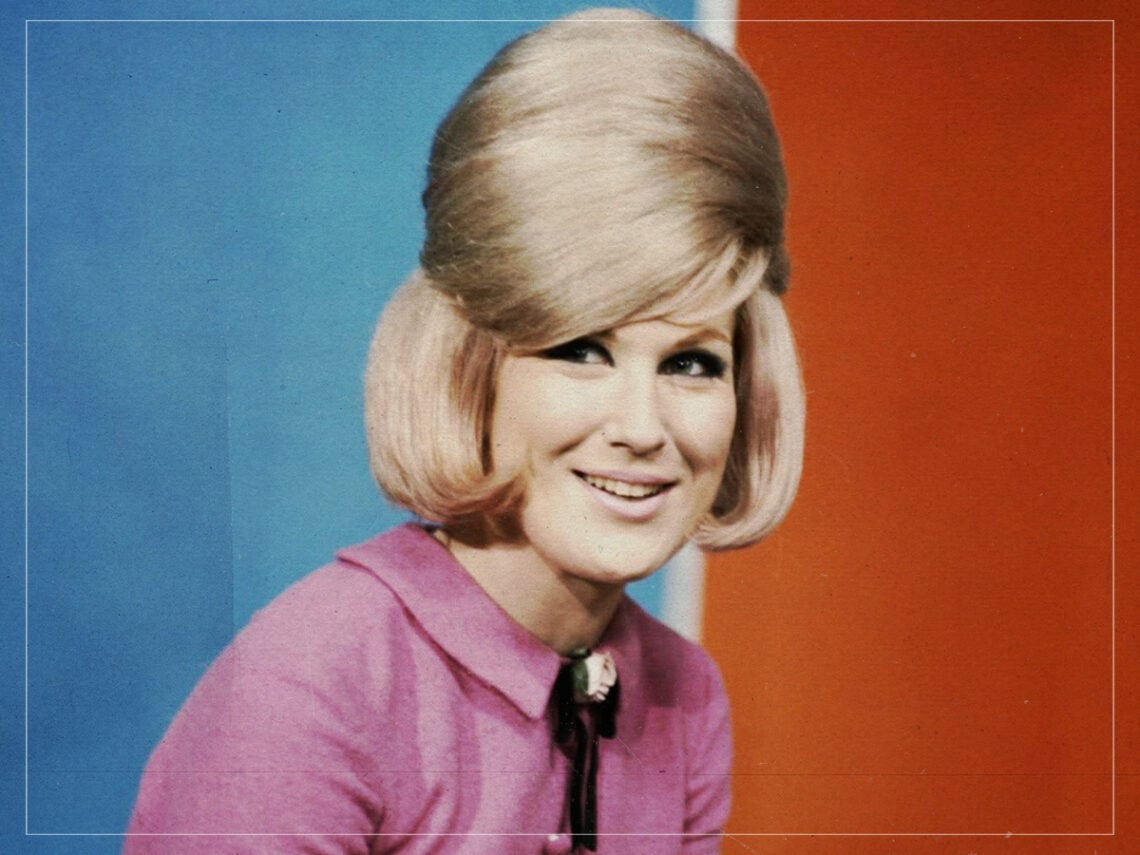
‘You Don’t Have To Say You Love Me’: The Italian origins of a Dusty Springfield classic

A lot is made of England, and more specifically London, being the cultural capital of the globe during its swinging sixties heyday, but even back then, the sharp-suited mods of Carnaby Street took a lot of their influence from the faraway land of Italy, as did one of the era’s defining anthems, by one of its defining voices.
Elevated far beyond the twee folk-pop of The Springfields, Dusty Springfield became one of the inescapable faces of London’s most swinging period. Almost single-handedly introducing the UK airwaves to the infectious appeal of Motown and American soul on Ready, Steady, Go, and amassing a truly legendary discography in her own right, Springfield’s impact on the musical landscape is impossible to overstate. As if that wasn’t enough, she was also the first person to perform on Top of the Pops.
Arguably, though, Springfield’s defining musical moment came in 1966 when she recorded ‘You Don’t Have To Say You Love Me’. A beautifully emotive voice that gave Springfield every opportunity to espouse the range of her performance, the heartbreaking anthem unsurprisingly topped the UK singles charts upon its release, becoming one of her greatest successes. Although countless other versions have since been recorded, it is impossible to hear them without Dusty Springfield’s distinctive tones overtaking your mind.
As far as British audiences were concerned, at least, ‘You Don’t Have To Say You Love Me’ was Dusty Springfield’s song, and that was that. It is often forgotten, however, that the vocalist’s defining single was actually a cover version in itself, with the original entering the Italian music charts an entire year before Springfield’s.
Titled ‘Io che non vivo (senza te)’, the original version was written and performed by Pino Donaggio, entirely in Italian. It was during the Sanremo Festival that audiences first heard the song, sending it on its way to win that year’s competition and top the Italian charts for three weeks.
Outside of Italy, though, the Sanremo Festival doesn’t have quite the same power or allure, and there wasn’t a huge market for Italian-language music in England at that time, despite just how indebted to Italian culture the 1960s were.
The entirety of the mod subculture, for instance, took its fashion and its penchant for scooters from their Italian counterparts, and Dusty Springfield had a closer relationship to that scene than most mainstream stars, having introduced mass audiences to the Motown that dominated mod nightclubs.
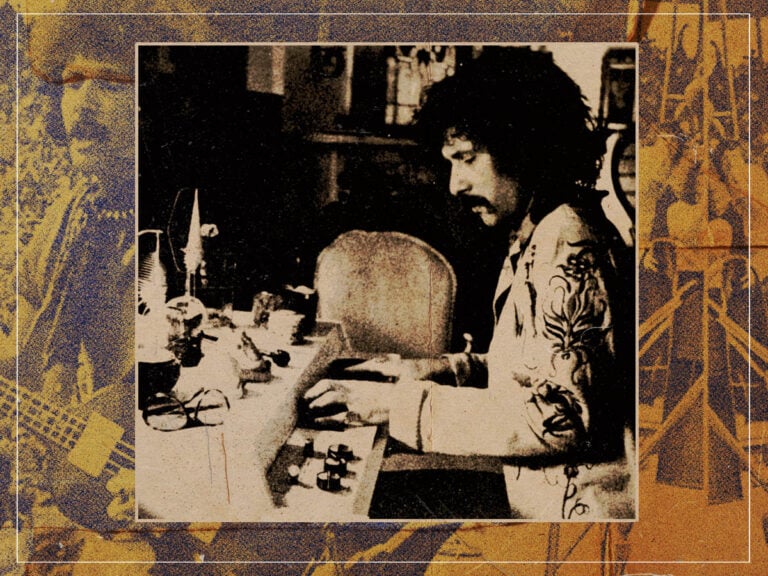

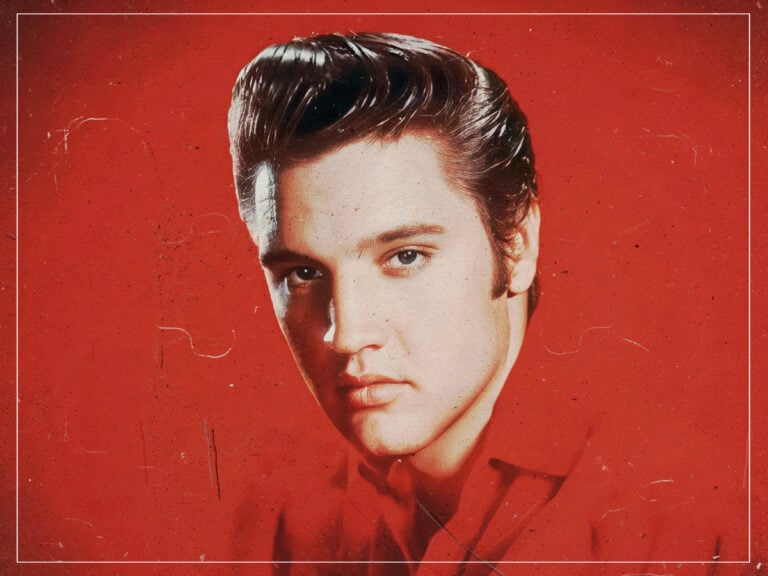
What’s more, Springfield had attended that year’s Sanremo competition and was reportedly so moved by the song that it brought her to tears. It only seemed right, then, that she was the one to record the first English-language version of Donaggio’s song.
Veteran songwriters and music industry executives Vicki Wickham and Simon Napier-Bell were the pair who gave the track its Anglicised rendering, but it was Dusty Springfield who knocked it for six, carving out potentially the best performance of her entire career and cementing ‘You Don’t Have To Say You Love Me’ as a classic song beloved the world over.
