


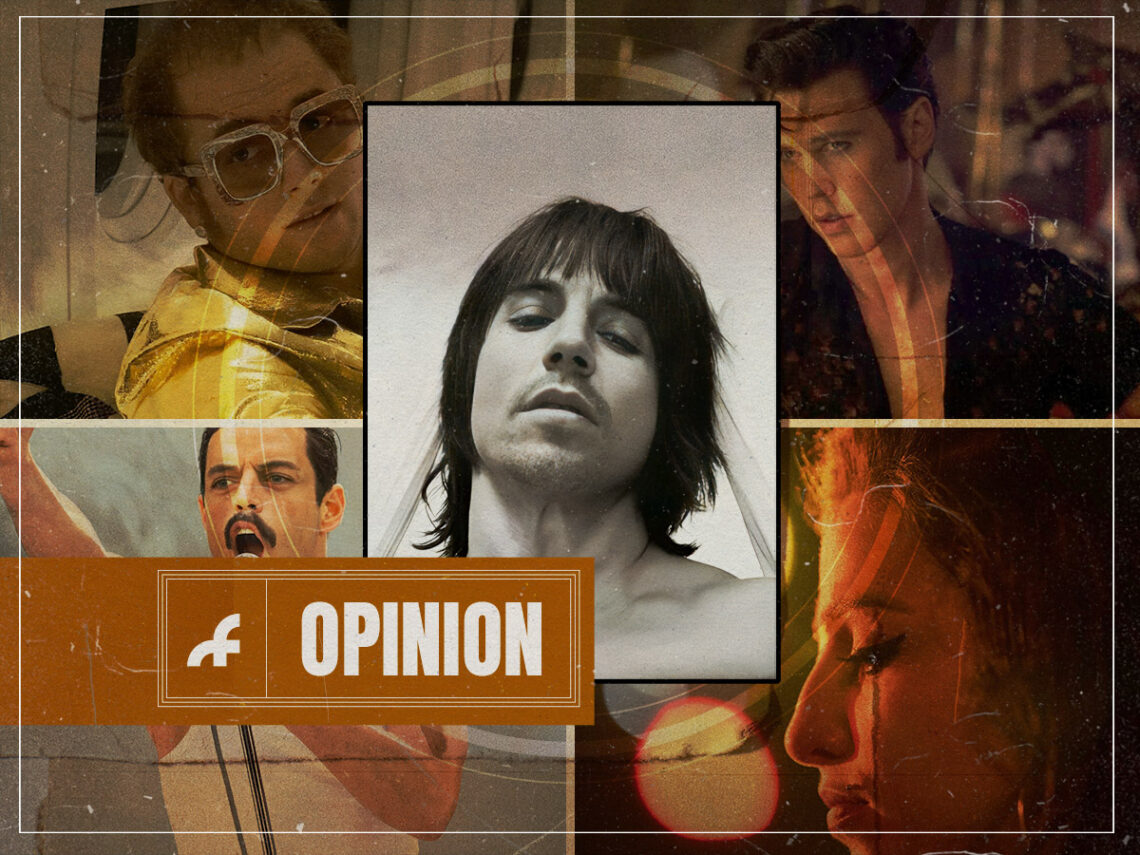
Is it time we pulled the plug on the biopic?

Drenched in the pervasive allure of celebrity culture, we not only celebrate but also indulge in its mythology. As the biopic moulds actual lives into enigmatic characters, we find ourselves deeply immersed, absorbing their narratives as integral components of our own world and personalities. We devour these stories, leaving no detail untouched until the plate is thoroughly licked clean.
A compelling biopic, at its essence, accomplishes one of two things: resonance, shock, or a combination of both. In the realm of true crime documentaries, the transition to the small or silver screen aims to jolt us into contemplation about our own ostensibly ordinary yet comfortable lives. When it comes to depicting the lives of musicians, actors, producers, and the like, the goal is to captivate and enlighten, with the aspiration that this will ultimately evoke a sense of resonance.
Of course, that’s a relatively simplistic and overarching view, not considering the more nuanced storytelling, which includes the likes of Oppenheimer, a figure whom many are unsure whether they are supposed to love or hate, given the consequences of his contributions to the Manhattan Project. Nonetheless, these films are engaging in all their glory, and we’ve been fascinated by them for years, even when they test our moral compasses.
The resurgence over the past year or so, however, has elicited a response akin to too much pudding at the dinner party — we enjoy it, of course, but at this exact moment, it all feels like a little too much, too fast. At the same time, it’s safe to say we’re all more susceptible to recognising when something inherently just doesn’t feel right. Take, for example, the upcoming Amy Winehouse biopic, Back to Black.
While creative pieces licensed or driven posthumously by a family member can sometimes come from a good place, Back to Black, the Amy Winehouse biopic, which has already received its share of backlash, was originally endorsed by Mitch Winehouse, Amy’s father. On the face of it, maybe this wouldn’t be seen as such an issue if fans weren’t concerned about Mitch rewriting his daughter’s story. Amy was a world-class talent who suffered at the bleak hands of addiction, and Back to Black threatens to focus solely on the latter part of that sentence.
As Sofia Coppola’s biopic portraying Priscilla Presley continues to collect praise from all corners of Hollywood, we’re reaching a significant cultural impasse where the line between honesty and exploitation runs thin. Iconic figures enduring abuse or public scrutiny should always be dealt with sensitively, so until we can ensure that’s achievable, maybe it’s time we halt representing real people on screen for the voyeuristic purposes of entertainment.
The shadowy aspects of rock ‘n’ roll are well-documented, as illustrated in Jeff Tremaine’s The Dirt and numerous chronicles detailing the tumultuous, sometimes illicit, escapades of some of the genre’s prominent icons in the latter half of the 20th century. Well-executed biopics excel at shedding light on critical societal issues, such as the AIDS crisis in Bohemian Rhapsody or introducing a new generation to an artist’s music, as seen after Elton John’s portrayal in Rocketman. However, when biopics straddle the line between entertainment and genuine suffering, they can become problematic.
During the infamous hype surrounding Dahmer – Monster: The Jeffrey Dahmer Story, Nick Cave articulated why the whole thing could’ve been seen as in poor taste: “For me, I’m more sympathetic towards the criticisms about Dahmer because it was family members of the victims that were coming out and it showed some perverse interest in this character that may have been unhealthy.”
Of course, not all biopic subjects are people who have committed the most heinous crimes. However, when Billboard effectively confirms the development of a new documentary based on Anthony Kiedis’ memoir, Scar Tissue, it raises ethical questions that delve into the most profound corners of personal morality. This is someone who has admitted to causing others copious amounts of trauma, not to mention the series of harassment claims attached to his name. Is this someone who truly deserves the pedestal of mass cinema, or should we leave such assessments to those within the realms of the legal world?
Confronted by the looming risk of oversaturation and the potential decline in cinematography and storytelling quality, the biopic genre is experiencing a wane in its allure. Similar to the Marvel epidemic of 2021, biopics are swiftly reaching a point of exhaustion. Unless they take a substantial hiatus to rekindle their creative spark, narratives of questionable merit will continue to plague our everyday lives.
