


The city made of marble: Is Ashgabat the world’s weirdest city?

Turkmenistan is one of the world’s most misunderstood countries, and since gaining independence from the Soviet Union in 1991, it’s become one of the world’s most unique and arguably weirdest cities.
The capital, Ashgabat, is the premier example of this, because it’s a city of contrasts, a fever dream in the Karakum Desert that seems too bizarre to be real, a place of many identities, which is why it has a number of nicknames, such as the ‘City of White Marble’ and ‘The City of the Dead’, and to truly understand Ashgabat, you have to look beyond the shiny, unique buildings and into the regime that built them.
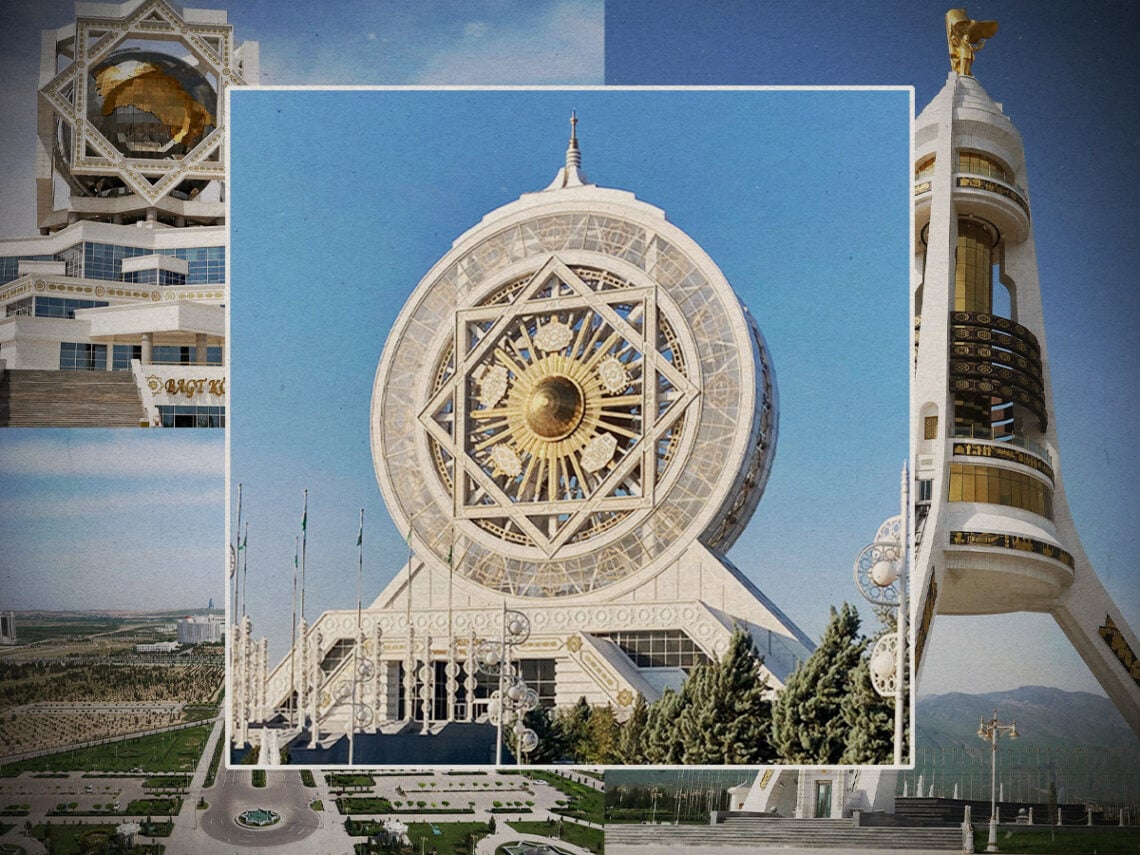
Most people couldn’t find Turkmenistan, let alone Ashgabat, on a map, and very little is known about this hermit country, but if there’s one word that comes to mind for those who do know it, then that word is marble, and back in 2013, Ashgabat got added to the Guinness Book of World Records for having the highest density of marble-clad buildings in the world: it’s a shining white city, blindingly bright in its whiteness, and home to 543 buildings, covered in over 4.5million square metres of marble.
The question is why? Like the other bizarre rules in the country, this comes from the very top. Following the nation’s declaring independence from the USSR, the first president, Saparmurat Niyazov, began this process. Niyazov and his successor, Gurbanguly Berdimuhamedow, were passionate about creating this rich, boutique city, and they imported all the marble from Italy.
When you look at the city, it doesn’t look real, more like a shiny 3D rendering on Sim City, and the other thing you’ll notice is that it’s quiet, eerily quiet, and the roads and parks often look empty.
It’s reported that Ashgabat has a population of 1,000,000, but the marbled central district, known as the ‘New City’, is known for being a ghost town, and unsurprisingly, a lot of those buildings are governmental and off-limits to the public, as is the Presidential Palace, where you see as many police as members of the general public in those areas, stopping those loitering and discouraging photos.
The architecture of Ashgabat is unlike any other. There’s another Guinness World Record in the Alem Cultural Centre, which is a record holder for the largest indoor Ferris wheel, that offers a stunning view of the… erm… inside of the building.
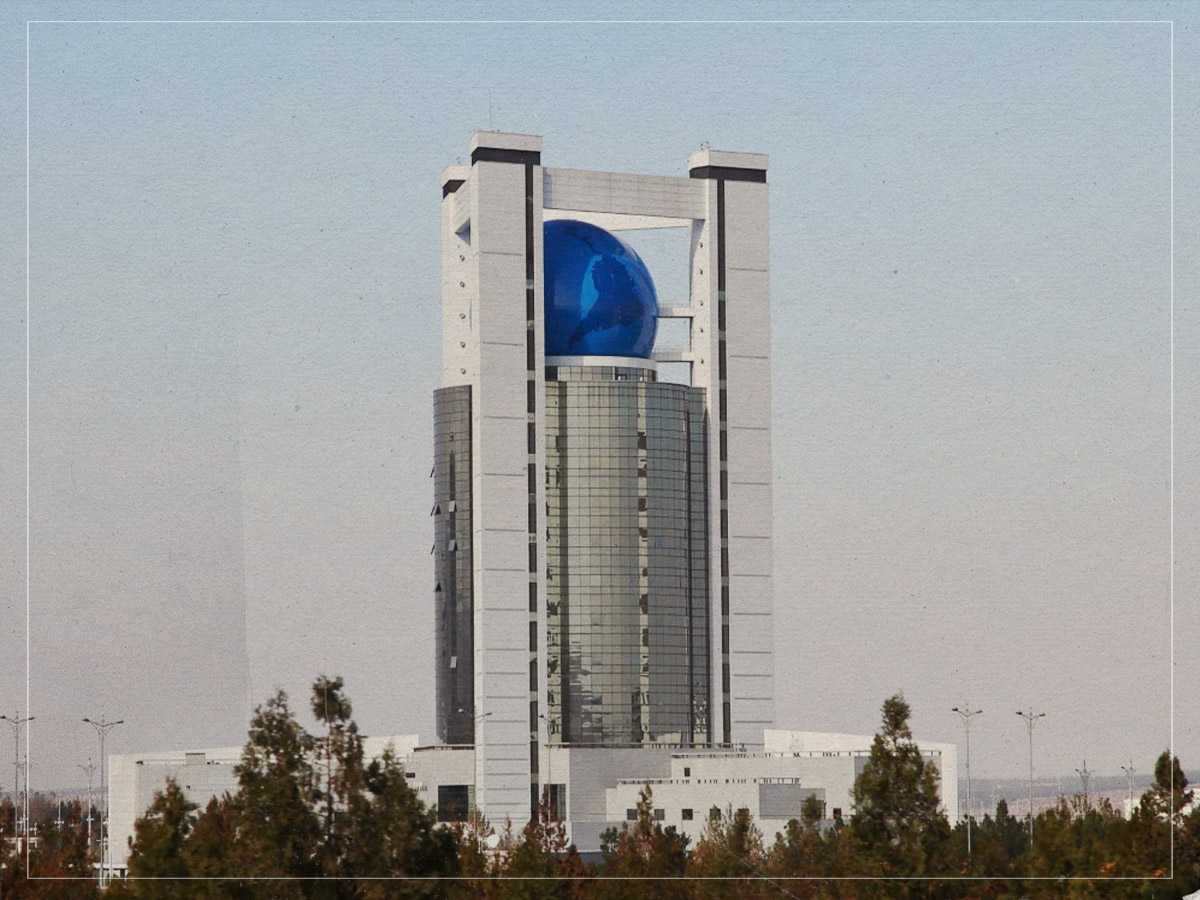
There’s the Arch of Neutrality, a huge tripod with a 12-metre tall statue of Niyazov on top, and the city planners took things very literarily with the Ministry of Education shaped like a huge book, the Ministry of Gas looking like a giant lighter, and the Ministry of Foreign Affairs has a huge globe on the roof.
When you’re looking around the city, you’ll see that every car is white. That was another directive from the government, which believed that black and dark cars were unlucky. In 2018, when the law came in, it meant that owners of dark cars had to instantly repaint them or face a prison term, and now cars need to be perfectly clean or risk getting fined.
Ashgabat is a city in Niyazov’s image. His face is everywhere, and his book, the Ruhnama, is honoured with a giant statue, which opens at 8pm every evening to play recorded passages. The book, a spiritual guide to morality, was once required reading by every citizen in the country.
Architects often talk of balancing beauty, cost and creating something that works for those who live in it. Ashgabat does only one of those things, a city designed to be looked at, to project wealth and power, with little or no concern for those within it, and done without thought of cost.
It’s an intriguing but difficult place to visit, and is known to have one of the world’s hardest visas to acquire. If you are fortunate enough to visit, then, much like North Korea, you’re forced to be chaperoned by a licensed guide, meaning that you aren’t totally free to explore wherever you like.
Now, Ashgabat stands as a gleaming monument to those who led the country following independence, it’s a curiosity, an oddity and a place that demands to be looked at.
